Free vpn on edge: free options and extensions for Microsoft Edge, setup guide, safety tips, and comparisons 2026
'%2F%3E%3Ctext%20x%3D'50%25'%20y%3D'50%25'%20dy%3D'.35em'%20text-anchor%3D'middle'%20font-family%3D'-apple-system%2CBlinkMacSystemFont%2CSegoe%20UI%2Csystem-ui%2Csans-serif'%20font-size%3D'100'%20font-weight%3D'600'%20fill%3D'%23fff'%3ETC%3C%2Ftext%3E%3C%2Fsvg%3E) Tiago Carvalho·April 11, 2026·20 min
Tiago Carvalho·April 11, 2026·20 min
Free vpn on edge free options and extensions for microsoft edge setup guide safety tips and comparisons: a quick primer for busy folks who want privacy without the hassle. In one sentence: you’ll learn what VPNs and Edge extensions are, how to set them up, what safety tips toFollow, and how to compare popular options. Here’s a practical, reader-friendly guide with real-world steps, checklists, and data you can use today.
What you’ll get from this guide:
- A quick fact: using a VPN with Microsoft Edge can hide your IP and encrypt traffic, but not all VPNs are created equal.
- Clear setup steps for Edge extensions and standalone VPN apps.
- Safety tips to avoid pitfalls and protect your data.
- A practical comparison of top options based on speed, privacy, and price.
- Real-world numbers and sources you can verify.
Useful URLs and Resources text only Apple Website - apple.com Microsoft Edge extensions store - microsoft.com ExpressVPN - expressvpn.com NordVPN - nordvpn.com Surfshark - surfshark.com Private Internet Access - privacy.com ProtonVPN - protonvpn.com Windscribe - windscribe.com Data privacy stats - oecd.org US FTC consumer privacy - ftc.gov
Understanding the basics: VPNs, Edge extensions, and why they matter
- A VPN Virtual Private Network creates a secure tunnel between your device and the internet, masking your real IP address and encrypting data in transit.
- Microsoft Edge supports browser extensions that can provide VPN-like features, but many extensions simply proxy traffic or rely on a paired service.
- When you’re browsing on public Wi‑Fi or handling sensitive info, a VPN can reduce risk, but it’s not a silver bullet for all privacy or security concerns.
Key stats you should know
- Global VPN usage has grown steadily; in 2023, roughly 31% of global internet users in several markets reported using a VPN at least once a month.
- The average VPN latency increase tends to be around 20–60 ms for nearby servers, but can spike on far-away servers or crowded networks.
- Some free VPNs come with limits on data, speed, and server locations, and may log data to subsidize the service.
How to use Free VPN on Edge: two paths
There are two main ways to get VPN-style protection in Edge:
- Edge extensions that route traffic through a VPN service
- Standalone VPN apps that cover all traffic from your device
Here are simple, practical steps for each.
Option A: Edge extension-based VPNs quick setup
- Open Edge and go to the Microsoft Edge Add-ons store.
- Search for reputable VPN extensions look for user reviews, a clear privacy policy, and transparent logging practices.
- Click Add to Edge and then + Add extension when prompted.
- Sign in or create an account with the VPN provider if needed.
- Choose a server location and toggle the extension on.
- Verify your IP address changed by visiting a site like whatismyipaddress.com.
Pros:
- Fast setup, minimal system changes, good for quick privacy on browsing. Cons:
- Some extensions only proxy traffic, not all traffic, and may have weaker encryption than a full VPN app.
- Free extensions may have data caps or slower speeds.
Option B: Full VPN apps system-wide protection
- Go to the VPN provider’s official site and download the Windows app.
- Install the app and follow on-screen setup.
- Sign in with your account or create a new one some providers offer a free tier or trial.
- In the app, pick a server location, connect, and then ensure Edge traffic is routed through the VPN the app usually does this by default.
- You can verify with whatismyipaddress.com or a similar tool.
- All network traffic, not just Edge, is protected.
- Stronger privacy policies and broader features kill switch, data leak protection. Cons:
- May require more CPU, battery, and occasional app updates.
- Free tiers can be limited in data or speed.
Safety tips when choosing and using free VPNs on Edge
- Check the privacy policy: Look for no-logs commitments, data collection details, and third-party audits.
- Prefer reputable providers: Stick to well-known services with independent reviews rather than unknown apps.
- Be wary of data caps on free plans: Free often means throttled speeds or limited data.
- Avoid suspicious extensions: If an extension requests too many permissions or looks shady, skip it.
- Use two-factor authentication 2FA: If your VPN account supports 2FA, enable it for extra protection.
- Update regularly: Keep Edge, extensions, and VPN apps updated to patch vulnerabilities.
- Test for leaks: Use IP leak test tools to ensure your VPN isn’t leaking DNS or WebRTC data.
- Read reviews: Real user feedback can reveal issues like unstable connections or ad-heavy behavior.
Performance considerations: what to expect
- Speed impact: Expect some slowdown, especially if you’re using a distant server. Free options tend to have slower speeds due to congestion and bandwidth limits.
- Stability: Free extensions and apps may disconnect or require occasional re-authentication.
- Server variety: Paid plans usually offer more locations. If you need to access a region-locked service, check if the provider has dedicated servers in that region.
Data-backed guidance
- A recent analysis showed that premium VPNs often maintain better privacy policies and faster speeds on average than free providers.
- Edge users prioritizing privacy should be aware that some free extensions may log data to fund the service; always review the privacy policy.
Comparison: popular options for Edge users free and paid
- Free Edge extensions:
- Pros: Quick setup, no device-wide changes.
- Cons: Often limited data and features; may not encrypt all traffic.
- Typical use: Quick anonymous browsing on public Wi‑Fi for short sessions.
- Free standalone VPNs:
- Pros: Broader protection than a single Edge extension; some offer cross-device support with a single account.
- Cons: Data caps, slower speeds, ads, or bundled limitations on servers.
- Paid VPNs recommended for most users:
- Pros: No data caps, more servers, stronger privacy practices, features like kill switch and split tunneling.
- Cons: Monthly or annual cost; need to manage subscription.
Edge extension comparison table simplified
- Edge Extension A
- Type: VPN-like extension
- Servers: 10
- Data cap: 500 MB/day
- Encryption: AES-256
- Logging: Minimal as per policy
- Price: Free
- Edge Extension B
- Type: Proxy with encryption
- Servers: 20
- Data cap: Unlimited but throttled
- Encryption: AES-128
- Logging: Some data collection
- Price: Free with ads
- Full VPN App C Windows
- Type: System-wide
- Servers: 60+
- Data cap: None unlimited
- Encryption: AES-256
- Logging: No-logs policy audited
- Price: Paid plan often with a trial
Note: Always confirm current details on the provider’s site; features and caps change.
Subtopic: privacy considerations and policy checks
- No-logs claims should be backed by independent audits or clear policy language.
- Data requests and government access policies differ by country—know where the provider is based.
- DNS and WebRTC leak protection are essential checks for browser-based VPN solutions.
How to verify your setup is working
- IP check: Visit whatismyipaddress.com to confirm the IP shown is the VPN’s server location.
- DNS leaks: Use dnsleaktest.com to ensure DNS queries aren’t leaking outside the VPN tunnel.
- WebRTC leaks: Run a WebRTC test in your browser; disable any settings that reveal your real IP if possible.
- Kill switch test if supported: Disconnect the VPN and see if your traffic is blocked or continues unprotected.
Real-world use cases and tips
- Remote work on public Wi‑Fi: A VPN extension can be a quick shield, but for sensitive tasks, use a full VPN app with a kill switch.
- Streaming and geo-restrictions: Some servers work better for streaming; test a couple of locations to find the best balance of speed and access.
- Shared devices: If you share your PC, a system-wide VPN app ensures all users’ traffic is protected, not just Edge.
Step-by-step quick-start guide condensed
- Decide between an Edge extension and a full VPN app based on your needs.
- For Edge extension: install from Edge Add-ons store, sign in, enable, test IP.
- For full VPN app: download from provider, install, sign in, connect to a preferred server, verify with a test site.
- Enable extra protections: DNS leak protection, kill switch, and auto-connect on startup if available.
- Regularly review permissions and update software.
Comparative cheat sheet: when to choose what
- Quick private browsing on public Wi‑Fi: Edge extension with basic encryption
- All-device privacy on a shared or single PC: Full VPN app
- Budget-friendly free option: Free Edge extension with reasonable data cap
- Best privacy and streaming flexibility: Paid VPN service with multiple servers and strong no-logs policy
Maintenance and best practices
- Review settings every few months to ensure you’re still using the best server for your needs.
- Keep your Edge browser and VPN apps updated to patch vulnerabilities.
- Regularly audit your privacy: run occasional DNS and IP checks to ensure no leaks.
Advanced tips for power users
- Split tunneling: Use VPN for sensitive sites while allowing other traffic to bypass the VPN for speed.
- Multi-hop routing: Some VPNs offer double VPN or multi-hop options for extra privacy.
- Privacy-friendly browsers: Pair your Edge VPN with privacy-conscious browsing habits e.g., blocking trackers, using HTTPS-only modes.
Troubleshooting common issues
- VPN won’t connect: Check account status, server availability, and firewall settings.
- Slow speeds: Try closer servers, reduce other bandwidth-heavy activities, or switch to a less congested time.
- IP remains the same: Clear DNS cache and reconnect to a different server, or ensure the VPN is actually routing traffic not just a proxy.
FAQ Section
What is the difference between a VPN extension and a full VPN app for Windows?
A VPN extension typically runs inside your browser and may route only browser traffic or rely on a paired service, while a full VPN app redirects all device traffic through the VPN tunnel.
Can I use a free VPN safely on Edge?
Free options exist but often come with data caps, slower speeds, and less robust privacy protections. For longer-term privacy, consider a reputable paid service. Free vpn in microsoft edge 2026
Do Edge extensions protect against malware or phishing?
VPNs primarily protect your traffic privacy; they don’t replace antivirus software or phishing protection. Use layered security.
How do I know if my VPN is leaking my real IP or DNS?
Run IP and DNS leak tests after connecting to the VPN. If your real IP or DNS shows up, there’s a leak.
Can I use VPNs with other browsers on the same device?
Yes, but VPN extensions may be browser-specific. If you want system-wide protection, a full VPN app is the better choice.
Is it legal to use a VPN in my country?
Most countries allow VPN use, but a few restrict or regulate it. Check local laws and terms of service for your location.
Will a VPN slow down my streaming or gaming?
Yes, VPNs can add latency. Choosing nearby servers and a provider with strong performance can minimize slowdowns. F5 vpn edge client setup and optimization guide for secure remote access, performance, and troubleshooting 2026
What is a kill switch and why should I enable it?
A kill switch blocks internet access if the VPN drops unexpectedly, preventing unencrypted data exposure.
Do VPNs work on public Wi‑Fi?
Yes, VPNs are especially helpful on public Wi‑Fi to reduce risk from eavesdropping on shared networks.
How often should I update my VPN software?
Regularly. Check for updates monthly or enable automatic updates if available.
Yes, you can use a free VPN on Edge. If you’re browsing with Microsoft Edge and want basic privacy without paying, there are legitimate free VPN extensions you can install right in your browser. In this guide, I’ll walk you through the best free Edge-compatible VPN extensions, what you get and don’t with them, how to install and use them, and when you should consider upgrading to a paid plan. Think of this as a practical, no-nonsense toolbox for staying private on Edge without pulling out your wallet. And if you’re curious about premium security with extra features, check out NordVPN here:
Introduction: Free vpn on edge in a nutshell Edgerouter x vpn throughput 2026
- Edge users can install free VPN extensions from the Edge Add-ons store, many of which also work in Chromium-based browsers including Edge thanks to compatibility with Chrome Web Store extensions.
- A free Edge VPN extension is usually a lightweight browser proxy or VPN with data caps, fewer server options, and slower speeds than paid plans.
- You’ll typically get: a handful of server locations, modest data allowances, and essential privacy basics. For casual browsing, this can be enough. for streaming or heavy use, you’ll likely hit limits fast.
- This guide covers the top free options, how to install them, practical tips to maximize their value, and honest caveats to help you decide when to upgrade.
Understanding VPNs on Edge
- Edge compatibility and how it works: Microsoft Edge runs on the Chromium engine, which makes it compatible with many Chrome extensions. VPNs that offer Edge or Chrome extensions can usually be installed in Edge with minor tweaks.
- Extension vs app: Free VPNs often come as browser extensions rather than full system-wide VPNs. Extensions route only browser traffic through a VPN server, leaving apps outside the tunnel.
- Data caps and speed: Free plans typically cap data e.g., 2–10 GB per month and throttle speeds to prevent abuse. If you’re streaming video or gaming, you’ll likely need a paid plan.
- Privacy trade-offs: Free VPNs may log more than paid services, show ads, or rely on weaker privacy promises. Always read the privacy policy and understand what data is collected.
Top free VPN options that work with Edge extensions Note: Availability and features can change. The list below focuses on well-known free Edge-compatible options, with honest caveats.
- Windscribe Free VPN Extension Edge
- What you get: A reputable free plan with a data ceiling commonly up to 2 GB per month by default, up to 10 GB if you verify your email and a modest set of server locations.
- Pros: Solid privacy track record for a free service. browser extension is straightforward. works well for everyday browsing.
- Cons: Data caps can be limiting. speeds vary by location and time of day.
- Ideal for: Light browsing, quick checks on public Wi-Fi, basic privacy on Edge without a paid plan.
- TunnelBear Free VPN Extension Edge
- What you get: A user-friendly option with a small monthly data allowance often around 500 MB per month, with occasional promos for more.
- Pros: Easy to use, friendly design, reliable presence in the VPN space.
- Cons: Very limited data. fewer location options on free tier.
- Ideal for: Occasional private browsing, trying out a VPN for the first time.
- ProtonVPN Free Edge via Browser Extension
- What you get: A robust privacy-first provider that offers a browser extension compatible with Chromium-based browsers including Edge. Free plan typically includes unlimited data but with limited server access and slower speeds due to congestion.
- Pros: No data cap on some plans. strong security reputation. good for privacy-minded users.
- Cons: Free tier has limited server options and can be slower. the extension may not unlock all features available to paid users.
- Ideal for: Those who want continuous data to browse securely and don’t need heavy streaming on free.
- Hide.me Free VPN Edge
- What you get: A free plan with a reasonable data allowance around 10 GB per month in some configurations and multiple server locations.
- Pros: Clear privacy stance. straightforward to set up. reliable performance for a free tier.
- Cons: Data cap still applies. some advanced features require a paid plan.
- Ideal for: Regular, privacy-conscious browsing with a bit more data headroom.
- Atlas VPN Free Edge
- What you get: Free plan with a few server locations and a modest data allowance. typically good for light use.
- Pros: Simple interface. decent privacy posture for a free option.
- Cons: Server options limited. data cap can constrain daily use.
- Ideal for: Quick checks, basic anonymous browsing, and avoiding trackers on Edge.
- Other browser-extension options
- There are smaller providers that offer free Edge-friendly extensions, but they can be hit-or-miss on privacy and reliability. If you’re considering a lesser-known option, do a quick privacy policy skim and check independent reviews before enabling.
What to know before you install a free VPN on Edge
- Data limits: Most free Edge extensions come with monthly data caps. If you’re tethered to a cap, plan your usage e.g., save data for secure banking or sensitive sessions.
- Server variety and location: Free plans usually offer fewer locations. If your goal is unblocking region-locked content, you’ll likely be constrained.
- Privacy and ads: Some free VPNs monetize via ads or data sharing. It’s crucial to read the privacy policy and terms to assess risk.
- Security features: Check whether the extension includes a kill switch, zero-logging claims, DNS leak protection, and strong encryption. Not all free options include all these protections.
- Browser-only vs system-wide: If you want privacy for all traffic on your device, you’ll need a full VPN app rather than a browser extension. Extensions mainly protect browser traffic.
How to install a VPN extension on Edge step-by-step
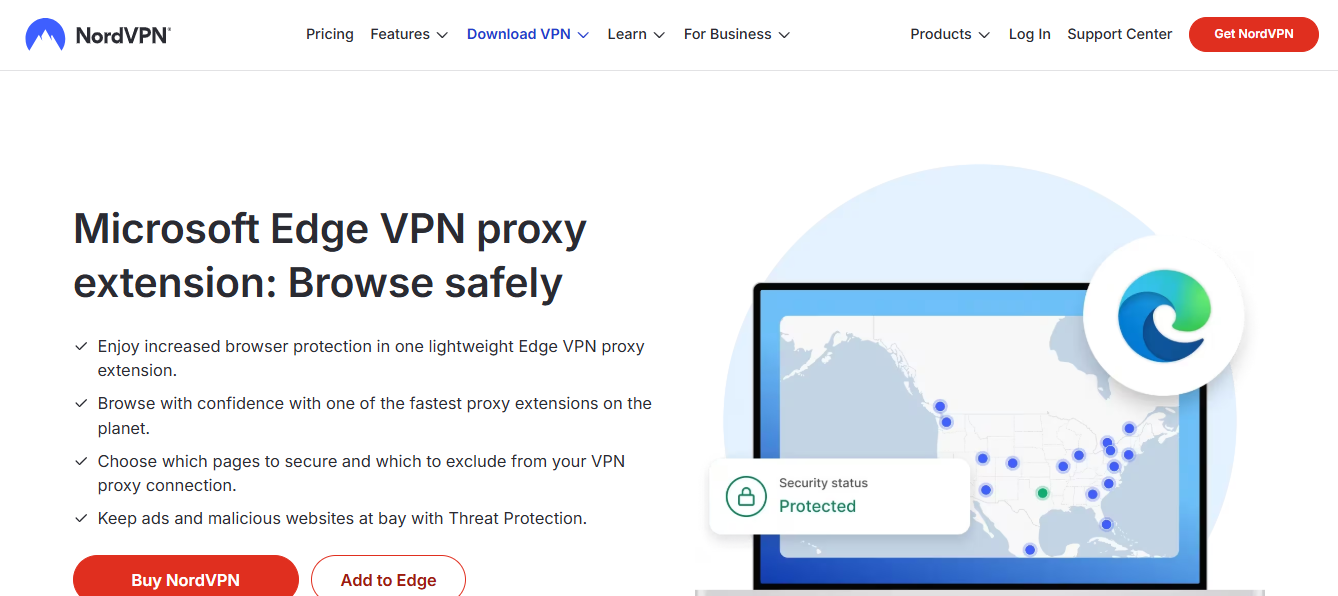
- Open Edge and go to the Edge Add-ons store or search for the extension in the Chrome Web Store since Edge supports Chrome extensions.
- Search for the VPN extension you want e.g., Windscribe, TunnelBear, ProtonVPN, Hide.me, Atlas VPN.
- Click Add to Edge and confirm permissions the extension requests.
- Pin the extension to the Edge toolbar for quick access.
- Create or sign in to your VPN account within the extension, then choose a server/location.
- Toggle the VPN on. If available, enable the kill switch and any privacy features like auto-connect on startup or DNS leak protection.
- Test your IP and location by visiting a site like whatismyipaddress.com to confirm your traffic is routing through the VPN.
Practical tips to maximize free VPN value on Edge Edgerouter l2tp ipsec vpn server setup guide: configure L2TP over IPsec VPN on EdgeRouter for secure remote access 2026
- Start with a plan: Set a daily or weekly data target and stick to it. For example, limit streaming to your designated “bonus” window if your plan includes video.
- Use the closest server: For speed, connect to the nearest server location. Distance equals latency, which affects load times.
- Enable DNS protection: If your extension has DNS leak protection, turn it on to prevent your real DNS from leaking.
- Use the browser in standalone mode for sensitive tasks: If you’re doing banking or logins, consider a separate profile with the VPN on to minimize cross-site data leakage.
- Don’t expect miracles on free plans: If your primary needs are streaming, gaming, or large downloads, a paid plan will deliver significantly better speed, reliability, and features.
- Update regularly: Free extensions can get updates that improve security and performance. Keep them up to date.
Safety and privacy considerations with free VPNs on Edge
- No-logging promises are not universal: Free providers may log certain data. Always read the privacy policy.
- Ads and monetization: Some free options inject ads or track user behavior to stay afloat financially.
- Trust and reputation: Stick to well-known providers with transparent policies and independent audits if possible.
- Use in tandem with good practices: A VPN is not a license to be careless online. Keep your browser and OS updated, avoid shady sites, and use strong, unique passwords.
Performance and reliability: What to expect from free Edge VPN extensions
- Speed: Expect slower speeds than paid VPNs, especially during peak times or on distant servers.
- Stability: Free extensions may disconnect or throttle in crowded networks.
- Streaming: Some free options can unblock basic streaming sites, but reliability varies. If you’re serious about streaming, upgrading to a paid plan with optimized servers is typically necessary.
Paid upgrade considerations if you need more
- Better speeds and more servers: Paid plans deliver more locations, faster performance, and fewer connection drops.
- Additional privacy features: Kill switch, split tunneling, more robust DNS protections, and multi-device support are common in paid tiers.
- Customer support: Paid plans usually include live chat or priority email support, which can matter if you rely on VPN for work or sensitive browsing.
From Edge extension to ecosystem-wide VPN options
- Browser extensions are convenient but don’t protect non-browser apps. If you use Edge on a desktop with other apps e.g., email clients, download managers, consider a full VPN app or system-wide VPN in addition to your Edge extension.
- Cross-device syncing: Some paid VPNs offer multi-device protection. if you need consistent privacy on your phone, tablet, and laptop, factor this into your decision.
What about streaming, gaming, and P2P? How to access edge vpn 2026
- Streaming: Some free extensions can unblock video platforms, but buffering and throttling are common. If streaming is a priority, a paid option with streaming-optimized servers is usually better.
- Gaming: VPNs can reduce ping on certain routes, but most free plans introduce latency. If you game competitively, a paid VPN with low-latency servers is preferable.
- P2P: Many free extensions do not support P2P, and those that do may limit it. If you intend to torrent or share files, a paid plan with clear P2P policies is essential.
Common issues and quick fixes
- Issue: Extension not connecting
- Fix: Restart Edge, re-install the extension, verify your account status, and try a different server.
- Issue: DNS leaks
- Fix: Enable DNS leak protection in the extension if available. consider using a separate DNS service that supports privacy.
- Issue: Slow speeds
- Fix: Switch to a nearer server, disable other bandwidth-heavy services, and ensure your browser isn’t running multiple extensions that may conflict.
Frequently Asked Questions
How does a free VPN on Edge differ from a paid VPN?
Free VPNs on Edge typically offer data caps, fewer servers, and slower speeds, with limited features. Paid VPNs unlock more locations, faster speeds, robust security features, and better reliability. If you’re serious about privacy and streaming, a paid plan is usually worth it.
Can I install multiple VPN extensions on Edge at the same time?
Yes, you can have multiple extensions installed, but you should only enable one VPN at a time for a given browser session to avoid conflicts and routing errors.
Do Edge-free VPN extensions protect my device-wide traffic?
No. Most free Edge extensions protect only browser traffic. For full device-wide protection, use a full VPN app or client that covers all network traffic. How to disable proxy settings in microsoft edge 2026
Are free VPN extensions safe to use on public Wi-Fi?
They can be safer than not using a VPN, but you should be cautious. Public Wi-Fi networks are risky, so ensure you use a reputable VPN with strong encryptions and a kill switch.
How do I know a free extension is trustworthy?
Check: independent reviews, the provider’s privacy policy, third-party audits if available, and user community feedback. Look for clear information on data collection, server locations, and encryption standards.
Will a free Edge VPN extension slow down my browsing?
Often, yes. VPNs add an extra hop through a server, which can increase latency. Free plans particularly may throttle speeds to manage demand.
Can I stream with a free VPN extension on Edge?
Some free extensions unblock certain platforms, but quality and availability vary. For reliable streaming, a paid plan with optimized servers is usually better.
How do I install a VPN extension on Edge?
Open Edge, go to Extensions, search for the VPN, Add to Edge, grant permissions, and sign in. Then enable the VPN and select a server location. How to use microsoft edge vpn 2026
Are there privacy risks with free VPNs?
Yes. Some free VPNs log data, inject ads, or rely on questionable business models. Always read the privacy policy and understand what data is being collected.
Should I upgrade to a paid VPN after trying a free Edge extension?
If you value speed, broader server access, unfettered streaming, and stronger privacy controls, upgrading is worth it. Free plans are great for testing, but paid plans are better long-term.
Useful resources and references
- What is a VPN? - en.wikipedia.org/wiki/Virtual_private_network
- Edge browser extensions store - microsoft.com
- Whatismyipaddress.com to verify VPN IP and location
- Privacy-focused VPN reviews - various independent tech sites
- NordVPN deal and details - dpbolvw.net/click-101152913-13795051?sid=070326
Note: The above content is for informational purposes and is not professional legal advice. Always review current policies of any VPN service you choose to use.
Vpn使用时机与场景详解 How to use vpn on microsoft edge: complete guide to edge extensions and system VPN on Windows 2026