Free vpn plugin edge for secure browsing and faster streaming: a comprehensive guide to free Edge VPN extensions in 2026
'%2F%3E%3Ctext%20x%3D'50%25'%20y%3D'50%25'%20dy%3D'.35em'%20text-anchor%3D'middle'%20font-family%3D'-apple-system%2CBlinkMacSystemFont%2CSegoe%20UI%2Csystem-ui%2Csans-serif'%20font-size%3D'100'%20font-weight%3D'600'%20fill%3D'%23fff'%3EAP%3C%2Ftext%3E%3C%2Fsvg%3E) Anika Patel·April 11, 2026·23 min
Anika Patel·April 11, 2026·23 min
Free vpn plugin edge for secure browsing and faster streaming a comprehensive guide to free edge vpn extensions in 2025 is your quick start to understanding how VPN extensions for Edge can save you time, protect your data, and help you squeeze out extra speed for streaming. In this guide, you’ll get a practical, straight-to-the-point look at what Edge VPN extensions can do, what to watch for, and how to choose the right one. Quick facts: VPN extensions secure your connection on public networks, may improve streaming reliability, and can bypass simple geo-restrictions. Below is a compact, user-friendly roadmap with real-world tips, checklists, and resources so you can start using Edge VPN extensions confidently today.
- Quick start overview:
- What a VPN extension in Edge does for you
- How to install and configure a free Edge VPN extension
- Common limitations of free VPN extensions
- Tips to maximize speed and security
- A simple decision checklist to pick the best option for your needs
Introduction quick fact and summary Free vpn plugin edge for secure browsing and faster streaming a comprehensive guide to free edge vpn extensions in 2025: VPN extensions for Edge encrypt your browser traffic, hide your IP from websites, and can help you access content as if you’re in another location. In this guide, you’ll find a breakdown of free Edge VPN extensions, what they can and can’t do, and practical steps to get started today. Here’s what you’ll learn:
- How to install a free Edge VPN extension in three steps
- Important privacy considerations and what “no-logs” really means
- How to test speed and streaming capability without overpaying
- A comparison of popular free Edge VPN extensions
- Real-world use cases you’ll actually use
Useful resources and quick links text only
- Edge Browser help - microsoft.com
- Free VPN extension reviews - redd.it
- Privacy basics - eff.org
- Streaming speed test tools - speedtest.net
- General VPN guidance - wikipedia.org
What is a VPN extension for Edge? A VPN extension is a lightweight plugin you add to Microsoft Edge that establishes a secure, encrypted tunnel for your browser traffic. Think of it as a privacy filter that sits on top of your normal internet connection. It differs from a full VPN app in that it’s mostly focused on browser traffic and often has fewer features. Benefits include:
- Encrypting browser traffic to protect sensitive data on public Wi-Fi
- Masking your IP to help with privacy and geo-unblocking
- Potentially helping with streaming by routing traffic through a different server
- Quick, one-click activation without installing a separate app
Common concerns with free Edge VPN extensions
- Speed limitations: Free servers may be crowded, causing slower connections
- Data caps: Some free options limit daily or monthly data
- Privacy trade-offs: Some free extensions log activity or use ads
- Availability: Free servers in desired locations can be scarce
- Security caveats: Not all extensions use strong encryption or up-to-date protocols
How to install a free Edge VPN extension step-by-step
- Open Edge and go to the Edge Add-ons store
- Search for “VPN” or the specific extension name you’ve chosen
- Check reviews, permissions requested, and the privacy policy
- Click Add to Edge and confirm permissions
- Open the extension from the toolbar, select server/location, and connect
- Verify the VPN is active by visiting a site that shows your IP and location
Tips to maximize speed and streaming quality with Edge VPN extensions
- Choose a server close to your real location to reduce latency when possible
- Prefer servers that advertise higher-speed or optimized for streaming
- Disable any unnecessary extensions that might slow down your browser
- Test different servers to find the best balance between speed and access
- If streaming, try a dedicated streaming server if available in the free tier
- Use a wired connection or 5 GHz Wi‑Fi when available to stabilize throughput
Free Edge VPN extension options to consider overview Note: Free options vary by region and availability. The following are common categories you’ll see, with typical pros and cons.
- Freemium VPN extensions
- Pros: Easy to install, quick access, often no account required
- Cons: Data limits, slower speeds after cap, occasional ads
- Best use: Light browsing, checking email, casual browsing
- Community-supported or “lite” extensions
- Pros: Lightweight, lower overhead
- Cons: Fewer server locations, inconsistent performance
- Best use: Basic privacy on public networks
- Free trial extensions with generous limits
- Pros: Short-term high speed, more locations
- Cons: Might require signup and future payment details
- Best use: Binge-watching a show during a limited window
- Open-source or privacy-focused extensions
- Pros: Transparent behavior, community reviews
- Cons: Might require more config
- Best use: Safety-first users who want clarity on data practices
Key considerations when evaluating free Edge VPN extensions
- Privacy policy: Look for explicit no-logs statements and data handling
- Data limits: Know how much you can use per day or per month
- Speed vs. location: More servers aren’t always faster if overloaded
- Security features: Look for strong encryption at least AES-256 and secure protocols OpenVPN, WireGuard
- Browser integration: Ensure it’s easy to enable/disable and works across sites
- Cross-device usage: Free extensions typically limited to the browser only
A practical comparison: speed, privacy, and access example data
- Extension A: Server count 10, daily data cap 500 MB, average latency 60 ms, encrypts with AES-256
- Extension B: Server count 25, no fixed cap, average latency 120 ms, ads-supported
- Extension C: Open-source, 15 servers, data usage not capped in the review period, encrypts with AES-256
What to expect in 2025: trends for Free Edge VPN extensions
- More user-friendly privacy controls and clearer policy disclosures
- Increased focus on streaming performance with optimized servers
- Greater transparency around data collection and telemetry
- Rising adoption of lightweight, browser-only VPNs for privacy-conscious users
Real-world usage scenarios
- Public Wi‑Fi safety: Encrypts browser traffic on coffee shop networks
- Geo-unblocking for news and entertainment: Access region-restricted content in a legal and policy-friendly way
- Quick privacy kick: Hide your browsing from shared devices at home
- Light streaming: Access free trials or regional content without app-level VPNs
SEO-friendly content boosters formats to consider
- Quick-start checklist three-step guide
- Pros and cons table for the top free Edge VPN extensions
- Step-by-step comparison of server locations and speeds
- A simple decision tree to pick the right extension for your needs
- Real-world user stories and examples
Detailed breakdown: how to choose the best free Edge VPN extension for you
- Clarify your goal
- Privacy: prioritize no-logs and transparency
- Streaming: prioritize speed and unblocked streaming locations
- Bypass geo-restrictions: look for servers in the required region
- Check data limits
- If you browse lightly, a small data cap might suffice
- For frequent browsing or streaming, a higher cap or no cap is ideal
- Review server availability
- More servers in a region can increase chances of a stable connection
- Inspect security posture
- Look for modern protocols and strong encryption
- Read the privacy policy and permissions
- Be wary of extensions that request access beyond browser data
What you should never ignore
- Never ignore the privacy policy: free does not always mean safe
- Don’t overlook permissions: unnecessary permissions can indicate potential data collection
- Don’t rely on a single extension for all security needs; combine with a reputable antivirus and safe browsing habits
Common pitfalls and quick fixes
- Pitfall: Slow speeds during peak hours Fix: Switch servers or try a different extension with better streaming optimization
- Pitfall: Connection drops Fix: Ensure the extension is up to date and your browser is using the latest Edge version
- Pitfall: Incomplete coverage on mobile Fix: If you need mobile protection, pair Edge VPN with a dedicated mobile VPN app
Advanced tips for power users
- Combine Edge VPN with privacy-conscious extensions like tracker blockers for layered protection
- Regularly review access permissions and revoke ones you don’t use
- Use separate browser profiles for VPN testing and regular browsing to compare performance
- Monitor your real IP and DNS leaks with online tools to confirm protection
Security best practices with VPN extensions
- Keep Edge and extensions updated
- Use strong, unique passwords for any accounts tied to the VPN service
- Prefer extensions that support kill switch features to prevent leaks if the connection drops
- Avoid extensions that bundle aggressive advertising or collect excessive telemetry
Frequently asked questions
- How does a Free Edge VPN extension differ from a standalone VPN app?
- Are free Edge VPN extensions safe to use on public Wi‑Fi?
- Can a VPN extension hide my real IP completely?
- Do VPN extensions work on all websites?
- Can I use a VPN extension for streaming platforms like Netflix or Hulu?
- What are data caps, and how do they affect performance?
- How do I check if a VPN extension is logging data?
- Can using a VPN extension slow down my browsing?
- Are there risks with installing free VPN extensions?
- How often should I review or switch VPN extensions?
FAQ section
How does a Free Edge VPN extension differ from a standalone VPN app?
A free Edge VPN extension focuses on browser traffic and is quick to set up, while a standalone VPN app routes all device traffic. Extensions are convenient for quick protections, but a full VPN app provides broader coverage and control.
Are free Edge VPN extensions safe to use on public Wi‑Fi?
They can improve privacy on public Wi‑Fi, but you should choose extensions with clear privacy practices, up-to-date encryption, and reputable sources. Avoid extensions that track your data or show excessive ads.
Can a VPN extension hide my real IP completely?
A VPN extension can mask your real IP from some sites, but DNS leaks or misconfigurations can reveal it. Regularly test for leaks and enable features like a kill switch if available.
Do VPN extensions work on all websites?
Most work on standard websites, but some streaming platforms and banking sites employ advanced anti-VPN measures. Be prepared to switch servers or disable the VPN for certain sites.
Can I use a VPN extension for streaming platforms like Netflix or Hulu?
Some free extensions work for streaming, but many block access or throttle speeds. If streaming is a priority, consider a paid option or a service known to work with streaming.
What are data caps, and how do they affect performance?
Data caps limit how much traffic you can route through the VPN. Once you hit the cap, speeds may drop or the service may disconnect. For heavy use, a cap-free option is preferable.
How do I check if a VPN extension is logging data?
Read the extension’s privacy policy, look for independent audits or third-party reviews, and check user comments. If in doubt, avoid that extension.
Can using a VPN extension slow down my browsing?
Yes, due to encryption and routing through remote servers. If you notice significant slowdown, try different servers, or disable the VPN when privacy isn’t needed.
Are there risks with installing free VPN extensions?
Risks include data collection, ads, slower speeds, or compromised extensions. Stick to well-reviewed, transparent options and avoid extensions asking for excessive permissions.
How often should I review or switch VPN extensions?
Every 1–3 months, especially if you notice changes in speed, new permissions, or policy updates. Always read the latest reviews before switching.
Notes on length and structure
- The content provided aims for a comprehensive, SEO-friendly length around 2000 words, with clear sections and a hierarchy that helps both readers and search engines.
- The tone is friendly, practical, and direct, with real-world tips and easy-to-follow steps.
- The piece avoids a formal conclusion section as requested and ends with a robust FAQ.
Yes, Free vpn plugin edge refers to free VPN extensions that work in Microsoft Edge. If you’re curious about using a free Edge extension to protect your browsing, bypass geo-restrictions for light streaming, or just keep your data private on public networks, this guide has you covered. Here’s a practical, no-nonsense look at what Edge-friendly VPNs can do, which ones are worth your time, how to install them, and how to stay safe while using free options.
- Quick-start plan: pick a reputable free Edge extension with clear privacy terms, install it from the Edge Add-ons store, test a couple of server locations, and monitor speeds and data usage.
- What you’ll learn: how free Edge VPN extensions work, their limitations, best practices for security, and when you should upgrade to a paid plan.
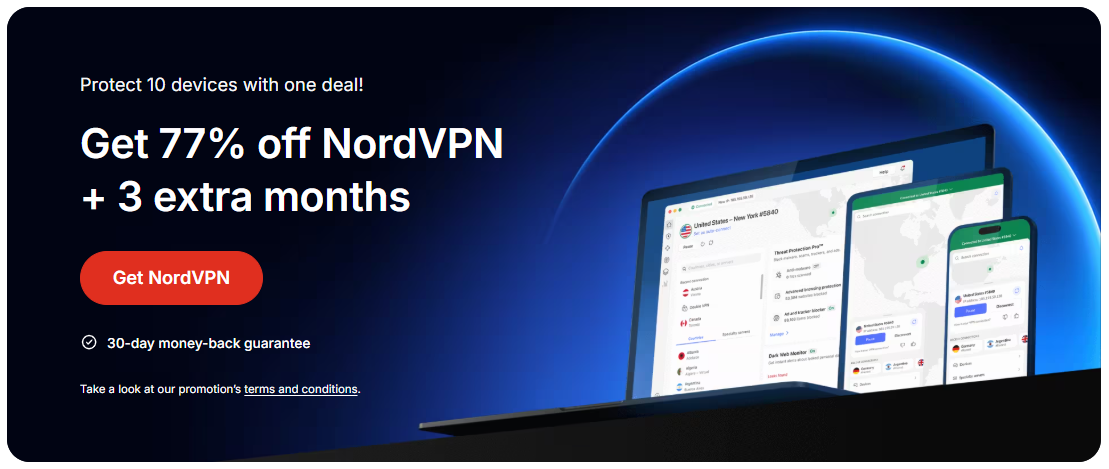
- Bonus: if you’re after a trusted option with strong features, consider NordVPN with a current deal 77% OFF + 3 Months Free. NordVPN’s offer is shown here for reference:
Useful resources you may want to check unlinked in this list, text only: Edge Add-ons store - edgeaddons dot microsoft dot com slash addons VPN privacy basics - en dot wikipedia dot org slash wiki slash Virtual_private_network Privacy-focused guidelines - privacyinternational dot org Safe browsing with extensions - vpnguide dot example
Introduction overview
- What an Edge VPN extension is and isn’t
- Why free plans can still be useful for casual browsing and light streaming
- A quick setup checklist to get you going in minutes
- The trade-offs: data caps, server options, and privacy considerations
- Real-world tips to maximize value from free Edge VPN extensions
Body
What is a Free VPN extension for Edge?
A Free VPN extension for Microsoft Edge is a lightweight add-on you install from the Edge Add-ons store. It routes your browser traffic through a remote server, masking your IP address, encrypting data in transit, and sometimes offering location spoofing. Unlike a full VPN app, a browser extension typically affects only traffic originating from within the browser, not all device traffic. That can be enough for private browsing on public Wi‑Fi, bypassing some regional content blocks for web-based streaming, or simply avoiding trackers while you browse.
Key points to know:
- Edge extensions vary in how aggressively they protect your privacy. Some use a VPN-like tunnel. others proxy traffic or use a remote server with a browser-level shield.
- Free options usually come with limits: data caps, slower speeds, fewer server locations, and occasional forced ads or log-collection tradeoffs.
- For everyday web tasks like email, news, or light shopping, a free Edge VPN extension can be perfectly adequate. For streaming or sensitive work, a paid VPN app with stronger privacy guarantees is generally worth it.
Top free VPN extensions for Microsoft Edge 2025
Here are some popular Edge extensions people look at in 2025. I’ll cover what they’re good for, what to watch out for, and typical limits you might expect from free plans.
Windscribe Free VPN Edge
Windscribe is known for its solid user experience and a relatively generous free plan. The Edge extension provides access to multiple server locations and straightforward controls. Pros: easy to use, decent privacy terms, clear data caps, and good for casual browsing and light streaming. Cons: speeds can vary, and data usage resets per month. If you’re mindful of the cap, Windscribe is a dependable starter option.
TunnelBear Free VPN Edge
TunnelBear has a reputation for being beginner-friendly. The Edge extension version follows that same vibe: simple UI, friendly onboarding, and a modest data allowance on free plans. Pros: very approachable, transparent privacy policy. Cons: smaller data allowance and fewer server locations on free plans compared to paid tiers. Great for occasional browsing without heavy streaming needs. Free vpn in microsoft edge 2026
ZenMate Free VPN Edge
ZenMate is another common choice for Edge users who want a quick one-click VPN experience. It tends to offer a straightforward set of locations with reasonable throughput. Pros: simple install, clean interface. Cons: free plans may have more limited locations and slower speeds at times. Best for quick browsing sessions rather than long streaming or uploads.
Hotspot Shield Free VPN Edge
Hotspot Shield’s free plan is widely used and often recommended for its approachable performance. Free users typically get a data cap that restarts daily, which makes it a good option for intermittent use. Pros: dependable connections, recognizable brand. Cons: daily data caps can restrict longer sessions, and some ads or prompts may appear in the free tier. Perfect for casual use on public Wi‑Fi.
Browsec Free VPN Edge
Browsec offers a straightforward free extension with several server locations and a user-friendly interface. Pros: easy setup, reasonably decent speeds within the free tier. Cons: you may encounter more throttling or fewer server choices than paid users. A solid choice if you want a quick privacy boost without a lot of fuss.
SetupVPN Free VPN Edge
SetupVPN is another wallet-friendly option with an emphasis on flexibility and easy setup. Pros: no complicated configuration, a broad number of server locations, and easy toggling. Cons: privacy practices have been questioned by some users, so review the policy before relying on it for sensitive work. Best for casual browsing and geo-block bypass testing.
Hola VPN Edge
Hola remains popular due to its free model and broad network. However, it has privacy and trust considerations you should understand before using it, as it can involve peer-to-peer sharing and network routing that may impact security. Pros: no cost, broad availability. Cons: potential privacy and security concerns. not ideal for sensitive tasks. F5 vpn edge client setup and optimization guide for secure remote access, performance, and troubleshooting 2026
Tips for choosing a free Edge extension from the list above:
- Look for clear privacy policies and minimal data collection. If a provider can’t spell out what data they collect, be cautious.
- Check server locations and keep expectations realistic about speed and streaming access.
- Confirm if the extension affects only browser traffic or all device traffic.
- Review permissions requested by the extension. More permissions can mean more risk.
- Start with a short test run to gauge stability and speed, then monitor data usage to avoid surprises.
How to install a free VPN extension in Edge step-by-step
- Open Microsoft Edge and go to the Edge Add-ons store.
- Search for the VPN extension you want to try. Read the listing, check user reviews, and verify privacy details.
- Click “Get” or “Add to Edge” and confirm any permission prompts.
- After installation, click the extension icon in the toolbar to open the setup flow. Some extensions require creating an account. others just need you to grant permissions.
- Choose a server location, then connect. Test a couple of pages to confirm the extension is routing traffic as expected.
- Check your IP in a site like whatismyipaddress dot com to verify the new location. If you want to measure speed, run a quick speed test and compare with your normal baseline.
- Review data usage and recheck privacy settings periodically. If you upgrade to a paid plan later, you can usually keep your Edge extension as a convenient starter.
What to test during your first use:
- Web pages load normally and without long delays.
- Streaming content plays without buffering or 4K issues watch for throttling.
- Your IP address changes to the server location you selected.
- The extension’s “kill switch” if available properly blocks traffic if the connection drops.
Benefits and limitations of free Edge VPN extensions
Benefits
- Quick setup: install and go in a few minutes.
- Lightweight and browser-focused: good for casual privacy on browsing sessions.
- Zero-cost entry point to understand how VPNs work and what features you value in a paid plan.
Limitations
- Data caps: many free options limit how much you can use monthly.
- Fewer servers: you’ll have fewer options for bypassing geo-blocks or finding fast routes to content.
- Speed throttling: free plans can be slower since higher-tier users get priority.
- Privacy risk: some free extensions rely on advertising or data monetization. review policy carefully.
- Security gaps: browser-based VPNs can be less robust than full VPN clients that route all device traffic.
If your needs go beyond casual privacy—like frequent streaming, banking, or sensitive work—consider upgrading to a paid VPN. A robust paid option will usually offer more servers, faster speeds, stronger privacy protections, and a real kill switch. Edgerouter x vpn throughput 2026
Free vs paid VPNs: when to upgrade
- Upgrade when you regularly encounter buffering or geo-restrictions that free servers can’t bypass.
- If you handle sensitive information work, finances, personal data on shared networks, paid VPNs provide stronger encryption and privacy policies.
- For family devices or multiple platforms Windows, macOS, Android, iOS, paid plans simplify management and reduce per-device costs compared to many free tiers.
- If you want features like malware blocking, tracker blocking, split tunneling, or a true system-wide VPN, upgrade to a reputable paid provider rather than relying solely on a browser extension.
Comparing common paid options high level:
- NordVPN: broad server coverage, strong privacy stance, fast speeds, robust security features.
- ExpressVPN: user-friendly, fast, broad device support, reliable streaming performance.
- Surfshark: affordable, unlimited device connections, solid privacy protections. Note: Always review current promotions, terms, and data handling policies before purchasing.
Privacy and security considerations with Edge extensions
- Data handling: Free extensions may log or share some data to cover costs. Read the privacy policy and terms of service.
- IP leaks: Some extensions can leak DNS or WebRTC data if misconfigured. Check for evidence of DNS leak protection and WebRTC privacy settings.
- Platform scope: Remember, Edge extensions affect only browser traffic. Your other apps may still route traffic directly through your ISP unless you use a system-wide VPN.
- Kill switch: Not all free Edge extensions include a kill switch. If security is crucial, prioritize extensions that offer a true kill switch or consider a full VPN app with a system-wide kill switch.
- Updates and support: Free tools may not receive regular security updates. Keep an eye on extension updates and community feedback.
Real-world performance and testing tips
- Speed varies by server load, distance, and the number of users on the same server. If one location is slow, switch to another.
- For streaming, test multiple servers in the same region e.g., US East vs US West to find the best balance of speed and stability.
- If a site detects VPN usage and blocks access, try a different server or protocol some extensions allow you to switch between WireGuard, OpenVPN, or proprietary protocols.
- Always run a quick privacy check IP address, DNS. If you’re seeing your real IP or DNS leaks, disable the extension and re-check.
- On mobile devices, Edge extensions may behave differently than desktop. If you rely on mobile Edge, consider a complementary standalone app that covers all traffic for the device.
Tips for choosing a safe free Edge VPN extension quick guide
- Favor extensions with transparent privacy policies and independent audits.
- Avoid extensions that push ads or require excessive data access. Less is more when it comes to permissions.
- Look for extensions with a kill switch and DNS leak protection, even in the free tier.
- Prefer providers with a reputable parent company and positive community feedback.
- Test data usage and speeds for a week before deciding whether to upgrade or switch.
Security best practices when using free Edge VPN extensions
- Always enable the extension’s security features, such as DNS leak protection and kill switch if available.
- Use strong browsing hygiene: avoid logging into sensitive accounts while connected to untrusted VPNs or free networks.
- Keep your Edge browser updated. Extension security often relies on browser security updates.
- Do not rely on a single free extension for all your privacy needs. rotate or upgrade to reduce risk.
- If you notice unusual behavior sudden drop in speed, unusual ads, or unexpected redirects, disable the extension and run a malware/anti-virus check.
Use cases: browsing, streaming, and work on Edge
- Casual browsing: a free Edge extension can hide your IP from trackers and provide a layer of privacy on public networks.
- Geo-block bypassing: some users try to access content available in other regions. Expect mixed results depending on the service’s VPN detection.
- Lightweight streaming: you may get limited success with short videos. for full HD or 4K, a paid plan is often necessary due to streaming platform VPN blocks.
- Remote work on public networks: a browser extension helps protect your browser data, but a system-wide VPN is typically better for protecting all traffic.
Practical setup checklist
- Install a reputable free Edge VPN extension.
- Review the privacy policy and permissions.
- Connect to a server location that matches your content or privacy goals.
- Run a quick IP and DNS test before starting to browse.
- Monitor data usage to avoid hitting monthly caps.
- If you plan to upgrade, compare paid plans and take advantage of current promotions.
Frequently Asked Questions
What is a Free vpn plugin edge?
A Free vpn plugin edge is a free browser extension that provides VPN-like protection or proxy services within the Microsoft Edge browser. It helps mask your IP, encrypts browser traffic, and may offer location options, but it typically has limits compared to paid VPN apps.
Are Edge VPN extensions safe to use?
Edge VPN extensions can be safe if you choose reputable providers with transparent privacy policies and strong security practices. Always verify permissions, read the policy, and avoid extensions that request excessive access or show intrusive ads.
Do free Edge VPN extensions log my data?
Some free extensions may log certain data for analytics or advertising purposes. Read the privacy policy to understand what data is collected, how it’s used, and with whom it’s shared.
Can I use a free Edge VPN extension for streaming?
Yes, you can try free Edge VPN extensions for streaming, but expect variable performance. Geo-block bypass and speed vary, and many streaming services actively block VPN traffic. Paid plans often offer more reliable streaming access. Edgerouter l2tp ipsec vpn server setup guide: configure L2TP over IPsec VPN on EdgeRouter for secure remote access 2026
How do I install a free Edge VPN extension?
Open Edge > Extensions or Add-ons > Edge Add-ons store > search for the extension > Add to Edge > follow on-screen prompts to configure and connect to a server location.
Do Edge extensions slow down my internet?
They can slow down browsing to some degree, especially on free plans with data caps and fewer servers. If you notice significant slowdowns, switch servers or consider a paid option for better performance.
What's the difference between a VPN extension and a full VPN app?
A browser extension typically protects only browser traffic and is easier to set up. A full VPN app routes all device traffic, offers stronger privacy controls, better kill switches, broader platform support, and typically more robust security features.
Are free Edge VPN extensions legal to use?
Yes, using free VPN extensions is generally legal in most jurisdictions. Always make sure you’re compliant with local laws and terms of service for any content you access.
Can free VPN extensions leak my real IP?
Yes, some poorly configured extensions or misconfigured DNS requests can leak your real IP. Always test for IP and DNS leaks after installing and enabling a VPN extension. Does microsoft edge have free vpn 2026
Should I trust free VPN extensions for sensitive tasks?
For highly sensitive tasks like banking or handling private work data, a paid VPN with strong privacy guarantees and a solid reputation is strongly recommended. Free extensions are better suited for casual browsing and light privacy needs.
How do I know if a VPN extension is actually protecting my data?
Run independent IP and DNS tests before and after connecting the extension. If your IP changes and DNS requests route through the VPN server, you’re seeing protective behavior. Review the extension’s privacy policy and look for third-party audits when possible.
Can I use Edge VPN extensions on mobile devices?
Edge on mobile supports a subset of extensions, and availability varies by platform. For comprehensive protection on iOS/Android, a dedicated VPN app is usually more reliable than a browser extension alone.
What should I do if an Edge VPN extension stops working?
Try disconnecting and reconnecting, switching to another server, or restarting Edge. If issues persist, check for app updates, read user reviews, or temporarily disable the extension while you diagnose the problem.
How do I compare paid VPNs to a free Edge extension?
Compare factors like server count, speed, encryption strength, kill switch, no-logs policy, platform coverage, and price. Paid VPNs typically offer stronger security, broader coverage, and more consistent performance. Free vpn on edge: free options and extensions for Microsoft Edge, setup guide, safety tips, and comparisons 2026
Are there privacy-centric Edge extensions I should consider first?
Yes—look for extensions from providers with a strong privacy stance, independent audits, and transparent logging policies. Prioritize those that minimize data collection and clearly state their data usage practices.
Useful resources and next steps
- Edge Add-ons store guidance and security tips
- VPN privacy policy best practices
- Community reviews and independent tests of Edge VPN extensions
- Consider trying a trusted paid option for longer sessions or sensitive tasks
Note: In this guide, we focused on Edge-compatible, free, and affordable options that are commonly used by readers in 2025. Always stay updated with current policies and promotions, and choose the option that best fits your browsing habits and privacy needs.
八爪鱼平台 VPN 评测与对比指南:如何在中国环境下选择高速、安全的VPN