How to use vpn on microsoft edge: complete guide to edge extensions and system VPN on Windows 2026
'%2F%3E%3Ctext%20x%3D'50%25'%20y%3D'50%25'%20dy%3D'.35em'%20text-anchor%3D'middle'%20font-family%3D'-apple-system%2CBlinkMacSystemFont%2CSegoe%20UI%2Csystem-ui%2Csans-serif'%20font-size%3D'100'%20font-weight%3D'600'%20fill%3D'%23fff'%3ESF%3C%2Ftext%3E%3C%2Fsvg%3E) Sandra Foster·April 11, 2026·22 min
Sandra Foster·April 11, 2026·22 min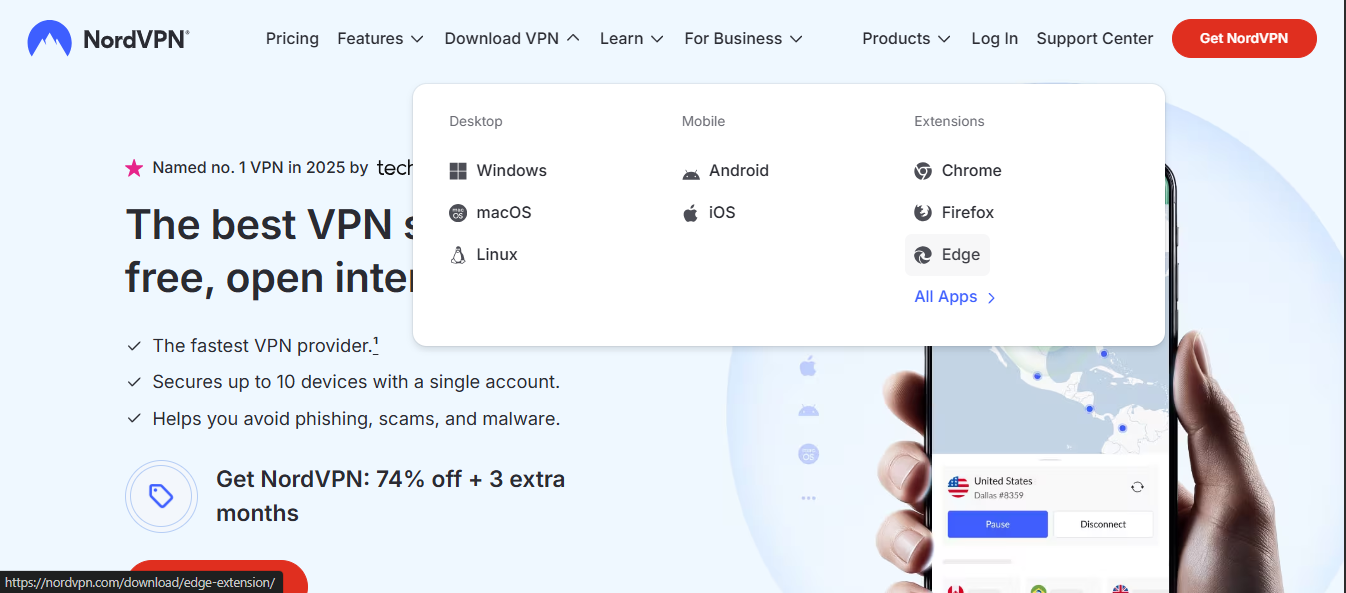
How to use VPN on Microsoft Edge complete guide to edge extensions and system vpn on Windows is all about making your browsing safer, faster, and more private without the tech headaches. This guide breaks down how to use a VPN with Edge, covers Edge-specific extensions, and shows you how to set up a system-wide VPN on Windows. Here’s a quick fact to kick things off: using a VPN can shield your online activity from prying eyes on public Wi‑Fi and help you bypass geo‑restrictions for streaming and browsing.
- Quick fact: A VPN encrypts your internet traffic from your device to the VPN server, which can prevent onlookers on the same network from seeing what you’re up to.
- What you’ll find here: a practical, step-by-step walkthrough, real-world tips, and a comparison of Edge extensions vs. system VPN on Windows.
- Format you'll experience:
- Step-by-step guides
- Pros and cons lists
- Quick-fire FAQs
- Tables with setup options and stats
Useful resources un clickable text
- How to use VPN on Windows – Microsoft Support
- Edge extensions overview – Microsoft Edge Add-ons
- VPN comparison guides – Tech websites
- General privacy best practices – Privacy advocates sites
- VPN performance testing – independent lab reports
Section: Understanding VPNs for Edge
- What is a VPN? A VPN creates an encrypted tunnel between your device and a VPN server, masking your IP address and guarding data from local networks.
- Edge-specific considerations: Edge supports extensions that implement VPN-like features at the browser level, but not all extensions provide full system-wide protection.
- System VPN vs. Edge VPN:
- Edge extensions VPN: browser-only protection; good for browsing privacy and bypassing some geo blocks in the browser.
- System VPN: all app traffic routed through the VPN; better for apps, updates, and OS-level privacy.
Section: VPN Setup Options for Edge on Windows
- Option A: VPN extension in Edge browser-level
- Pros: quick to enable, lightweight, seamless within the browser
- Cons: does not protect other apps, may rely on service’s own data handling
- How to set up:
- Open Edge and go to Edge Add-ons store.
- Search for a trusted VPN extension e.g., "VPN Proxy" or well-known brands with Edge support.
- Click Add to Edge, then pin the extension for easy access.
- Open the extension, sign in, and connect to a server.
- Verify your IP via a site like whatismyipaddress.com to ensure the VPN is active.
- Tips: choose servers near your location for speed, avoid free extensions with shady reputations.
- Option B: System-wide VPN for Windows 11/10
- Pros: encrypts all traffic, works with all apps and background tasks, good for streaming and secure browsing
- Cons: may reduce device battery life a bit, setup can be more involved
- How to set up:
- Subscribe to a reputable VPN service with Windows apps.
- Download and install the VPN client from the provider’s site.
- Open the VPN app, log in, and choose a server location.
- Click Connect and wait for the status to show connected.
- Confirm protection by visiting a site that shows your IP and location.
- Tips: enable kill switch if available, choose a secure protocol like OpenVPN, WireGuard, or IKEv2 depending on the provider.
- Option C: Built-in Windows VPN manual setup
- Pros: no extra software if you already have credentials
- Cons: less user-friendly, may not support all features of a full VPN service
- How to set up:
- Go to Settings > Network & Internet > VPN > Add a VPN connection.
- Enter VPN provider, connection name, server address, VPN type, and sign-in info.
- Save and connect from the VPN settings panel.
- Tips: use a provider’s configuration file if they offer one, and verify connection status.
Section: Edge Extensions vs. System VPN: A Practical Guide
- When to use Edge extensions
- You mainly browse in Edge and want quick privacy boosts and geo-unblocking for sites inside the browser.
- You don’t need to secure other apps, games, or background processes.
- When to use a system VPN
- You want total device privacy protection for all apps and OS traffic.
- You’re on public Wi‑Fi or need secure remote work access.
- Blended approach
- Use a system VPN for general security, and a browser extension for extra features like anti-tracking, a secondary server, or split tunneling inside Edge.
Section: VPN Features to Look For
- Speed and reliability: fastest servers with low latency.
- Privacy policy: clear no-logs policy, minimal data collection.
- Security protocols: OpenVPN, WireGuard, IKEv2; support for modern encryption standards.
- Kill switch: stops all traffic if the VPN drops to prevent leaks.
- DNS leak protection: ensures DNS requests don’t reveal your real location.
- Split tunneling: choose which apps or sites go through VPN vs. direct connection.
- Browser compatibility: Edge extensions or the ability to install a compatible extension.
- Price and plan options: free trials, money-back guarantees, multi-device licenses.
Section: Security Considerations and Best Practices
- Always enable the kill switch if your VPN offers it.
- Regularly update the VPN software and Edge browser to patch security flaws.
- Use trusted extensions and verify publisher authenticity.
- Avoid free VPNs that log activity or inject ads.
- Test for leaks: use DNS leak test sites, and check WebRTC leaks in Edge.
- Review permissions: extension permissions should be limited to what’s necessary.
Section: Performance and Statistics
- VPN impact on speed: expect a 10–40% speed drop on average depending on server distance, protocol, and network conditions.
- Edge vs. system VPN performance: system VPN can introduce a higher baseline latency due to routing all traffic, but modern protocols mitigate this.
- Geo-restriction effectiveness: VPNs with a broad server pool can help bypass geo blocks for streaming, but some services actively block VPN IP ranges.
- Edge extension performance: minimal impact on browsing compared to a full system VPN, but may not bypass all blocks.
Section: Step-by-Step Quickstart
- Quick Start for Edge Browser VPN Extension
- Open Edge, go to the Edge Add-ons store, search for a reputable VPN extension.
- Add to Edge and pin to the toolbar.
- Sign in and connect to a server.
- Check your IP and location to confirm the connection.
- Quick Start for Windows System VPN
- Subscribe to a VPN and download the Windows app.
- Install and launch the app, sign in.
- Pick a server and connect; enable kill switch if available.
- Verify you’re connected by checking your IP and location.
- Quick Start for Manual Windows VPN Setup
- Gather server address and authentication details from your VPN provider.
- Add a new VPN connection in Windows settings.
- Enter details and save, then connect.
- Confirm an active tunnel and test for leaks.
Section: Troubleshooting Common Issues
- VPN won’t connect
- Check internet connection, server status, and credentials. Try a different server or protocol.
- Slow speeds
- Switch servers, use a wired connection when possible, and ensure your device isn’t overloaded with tasks.
- DNS leaks
- Enable DNS leak protection in VPN settings; test with online tools.
- Edge extension not loading
- Disable conflicting extensions, clear cache, reinstall the extension.
- System VPN drops
- Check for app updates, enable kill switch, and ensure there’s no software firewall blocking the VPN.
Section: Real-World Use Cases
- Private browsing on public Wi‑Fi in cafes or airports
- Accessing geo-restricted content while traveling
- Working remotely with a secure connection to a corporate network
- Protecting sensitive activities like banking on shared networks
Section: Tools and Resources for Edge VPN
- WhatIsMyIP: verify IP address and location
- DNSLeakTest: check for DNS leaks
- WebRTC Leak Test: confirm there’s no leak through WebRTC
- VPN provider blogs and support pages for Edge-specific instructions
- Windows Security and Firewall settings to ensure VPN traffic isn’t blocked
Section: Edge Extensions Worth Considering Examples
- Edge-compatible VPN extensions from reputable providers
- Anti-tracking and privacy extensions to pair with VPN for extra protection
- Password managers with secure autofill to minimize credential exposure
Section: Comparison Table Edge Extension vs System VPN
- Feature: Scope
- Edge Extension: Browser-only; ideal for quick privacy in Edge
- System VPN: Entire device; protects all apps and processes
- Feature: Setup Time
- Edge Extension: Short
- System VPN: Moderate
- Feature: Performance Impact
- Edge Extension: Lower in-browser overhead
- System VPN: Potentially higher due to full tunnel
- Feature: Privacy Coverage
- Edge Extension: Browser traffic
- System VPN: All network traffic
- Feature: Cost
- Edge Extension: Often free or lower cost
- System VPN: Higher tier plans for full features
Section: Advanced Tips
- Use split tunneling to route only sensitive traffic through VPN
- Pair VPN with HTTPS-only browsing for additional security
- Schedule automatic reconnects on VPN drop to minimize exposure
- Regularly review server lists and rotate servers to avoid throttling
- Consider a dedicated router VPN setup for home networks for constant protection
Frequently Asked Questions
How do I enable a VPN on Microsoft Edge?
To enable a VPN on Edge, you can install a VPN extension from the Edge Add-ons store for browser-level protection, or use a system VPN on Windows to cover all device traffic.
What’s the difference between a browser VPN extension and a system VPN?
A browser VPN extension protects only the traffic within the browser, while a system VPN encrypts all traffic from your device, including apps and background services.
Can I use both an Edge extension and system VPN at the same time?
Yes, you can use both, but in most cases you’ll want to use the system VPN for full coverage and an Edge extension for extra features like anti-tracking or rotating servers inside Edge. Some setups may cause routing conflicts; test to ensure no leaks.
Will a VPN slow down my connection?
Most VPNs slow down your connection due to encryption and longer routing. The amount varies by server location, protocol, and network conditions.
How do I know if my VPN is working?
Check your IP address and location on a site like whatismyipaddress.com. It should show the VPN server’s location, not your real location. Run a DNS leak test and WebRTC leak test to confirm.
What is a kill switch and do I need it?
A kill switch automatically blocks all traffic if the VPN drops, preventing data leaks. It’s highly recommended for privacy.
Should I use Free VPNs?
Free VPNs often have limits and may log data or inject ads. For privacy, a reputable paid VPN with a clear no-logs policy is usually a better choice.
How do I choose a server location?
Choose a location based on speed and content access. If you’re streaming, pick a location near you or in the country where the content is available. If you want maximum anonymity, you might choose a less obvious location.
How do I set up a Windows VPN manually?
In Windows, go to Settings > Network & Internet > VPN > Add a VPN connection, fill in the provider, connection name, server address, and sign-in info, then connect.
Can I use VPN on multiple devices?
Most VPN providers offer multi-device support. Check your plan details for the number of devices allowed and install the VPN app on each device or use browser extensions where applicable.
Note: This content is designed to be a comprehensive guide for how to use VPN on Microsoft Edge, including edge extensions and system VPN on Windows. It provides practical steps, comparisons, and best practices to help you stay private and secure online.
Yes, you can use a VPN on Microsoft Edge. In this guide, you’ll get a clear, step-by-step plan to protect your browsing with Edge-friendly methods, including browser extensions and Windows’ own VPN setup. You’ll learn what to install, how to configure it, how to maximize privacy, and how to troubleshoot common issues. This is a practical, user-friendly guide designed for real people who want their Edge browser to be more private, secure, and reliable.
- Browser extension setup in Edge for quick protection
- System-wide VPN setup on Windows so every app, including Edge, traffic goes through the VPN
- How to choose between extensions vs. OS VPN and when to use each
- Privacy features to enable kill switch, DNS leak protection, IPv6 considerations
- Performance tips to minimize slowdowns while browsing
- Common problems and fixes you can actually apply
- How to use VPNs for streaming and safe browsing without headaches
If you’re serious about getting a reliable VPN experience with Edge, NordVPN is a popular choice right now with strong Edge compatibility and good performance. For a limited time, you can grab a major discount via this offer:
Useful URLs and Resources text only:
- Microsoft Edge extensions overview - edge.microsoft.com/addons
- How to install extensions in Edge - support.microsoft.com
- Windows VPN setup guide - support.microsoft.com/en-us/windows-vpn-setup
- NordVPN official site - nordvpn.com
- ExpressVPN official site - expressvpn.com
- How to manage VPN settings in Windows 11 - support.microsoft.com/en-us/windows
- DNS leak protection overview - tech sites and VPN provider guides
- Killing switch feature explained - VPN provider knowledge bases
- Streaming with a VPN: tips and cautions - streaming blogs and provider guides
- Troubleshooting VPN connections - general help articles from major providers
Understanding VPNs and Edge
Before you dive into setup, here’s a quick refresher. A virtual private network VPN creates a secure, encrypted tunnel between your device and a VPN server. All your internet traffic gets routed through that server, masking your real IP address and protecting your data from eavesdroppers on public Wi‑Fi or shared networks. There are two common ways to get VPN protection when you’re using Edge:
- Browser extensions: A VPN extension runs inside Edge and redirects only the browser’s traffic through the VPN server. This is fast to set up and great for everyday browsing, streaming, and shopping from abroad when you’re on a PC.
- System VPN: A Windows VPN connection creates a tunnel for all traffic from your computer, including Edge, apps, and background services. This is your best option if you want blanket protection and want every app to use the VPN by default.
Important note: Edge itself doesn’t come with a built-in VPN in the sense of a first‑party Edge feature. You’ll either install a VPN extension from the Edge Add-ons store or set up a Windows VPN connection to route traffic through your VPN provider. This guide covers both paths so you can pick what works best for you.
As you read, you’ll see data points that matter for realistic expectations. Globally, the VPN market has grown rapidly in recent years as more people seek privacy, security on public networks, and access to geo‑blocked content. Analysts estimate the market will continue to expand into the late 2020s, with North America and Europe driving much of that growth due to high adoption of privacy‑minded software. For browsing Edge specifically, the user experience hinges on server proximity, your base connection speed, and how the VPN handles DNS requests and IP leaks. Simple truths: a good VPN won’t magically make your internet faster, but a solid service can minimize latency, stabilize connections, and protect your data without a noticeable slowdown.
Edge extensions: quick protection at the browser level
# Why choose a browser extension for Edge?
- Quick setup: Install once, stay protected for regular browsing.
- Granular control: Pick servers based on region, streaming needs, or speed.
- Lightweight: No OS config changes. you can toggle protection on and off per site.
# What to look for in an Edge VPN extension
- Strong encryption AES-256 is standard
- A no‑log policy you can read and trust
- Kill switch optional in extensions, but incredibly useful
- DNS leak protection helps prevent your real DNS from leaking
- Fast, reliable servers with reasonable geographic distribution
- Easy onboarding and responsive customer support
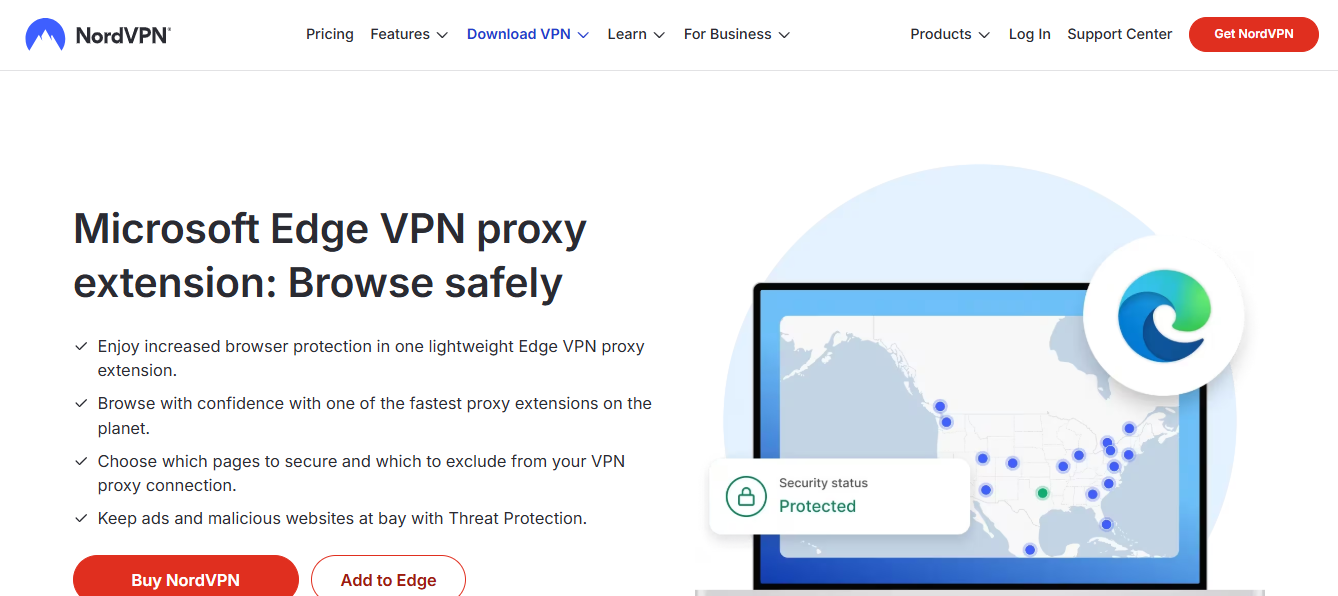
If you want a recommended option with a solid Edge extension ecosystem, NordVPN offers an extension for Edge that’s easy to install and use. Some users report great streaming performance and reliable disconnect handling when switching servers.
# How to install a VPN extension in Edge step-by-step
1 Open Microsoft Edge and click the three dots menu Settings and more in the upper-right corner.
2 Go to Extensions. Then click on “Open Microsoft Edge Add-ons” or browse for extensions from the Edge Add-ons store.
3 In the search bar, type the name of the VPN you want for example, NordVPN, ExpressVPN, Surfshark.
4 Click the extension you want, then choose Add to Edge. You may be prompted to grant permissions.
5 After installation, pin the extension’s icon to the toolbar for easy access.
6 Sign in with your VPN account credentials. Pick a server, ideally near your location for best speeds, and click Connect.
7 Confirm that the Edge traffic indicator shows the VPN is active some extensions display a shield or a connected status.
8 Test your new IP by visiting a site like whatismyipaddress.com to confirm your public IP has changed.
Pro tips:
- If you’re streaming, pick a server optimized for streaming if your provider offers that option.
- Use the kill switch if offered by the extension. otherwise, rely on the OS-level feature described later.
# Edge extension caveats
- Not every VPN extension supports all streaming services. If you run into blocks, try a different server or another provider’s extension that explicitly supports your streaming service.
- Edge extensions can occasionally conflict with other extensions or privacy tools. If you notice slowdowns, try disabling nonessential extensions temporarily to isolate the issue.
- Some corporate devices restrict extension installation. If you’re on a work device, you may need IT to approve extensions.
System VPN on Windows: blanket protection that covers Edge and everything else
If you want your entire Windows device to ride through the VPN, configure a system VPN connection. This approach is ideal if you use Edge alongside other apps like a mail client, a desktop torrent client, or a VPN-friendly collaboration tool and want uniform protection.
# How to set up a Windows VPN connection
1 Open Settings on Windows.
2 Go to Network & Internet, then VPN.
3 Click Add a VPN connection.
4 For VPN provider, choose Windows built-in.
5 Fill in the connection name and server address you’ll get these from your VPN provider. NordVPN, ExpressVPN, Surfshark, etc..
6 Choose the VPN type your provider uses IKEv2, L2TP/IPsec, or OpenVPN if supported by the provider.
7 Enter your login credentials supplied by your VPN service. You can also use a certificate or a VPN client app if your provider offers one.
8 Save, then select the new VPN connection and click Connect.
9 If your VPN uses a special app for authentication, you may still see Edge running through a tunnel as long as the OS connection is active.
What to expect:
- All traffic on your PC will move through the VPN tunnel, including Edge, email clients, and background updates.
- Your DNS requests will be routed through the VPN’s DNS servers if supported by the provider.
- Kill switch and DNS leak protection are often managed by the VPN app. enable them for best results.
Edge-specific notes:
- A system VPN means Edge’s traffic is protected even when you’re not actively using Edge. This is ideal for casual browsing, work tasks, and background updates you don’t want exposed.
# Quick Windows VPN tips for Edge users
- Always pick a server close to your physical location to minimize latency.
- If you’re using streaming services, connect to a server labeled for streaming if your provider offers it.
- Check for IPv6 leaks: if your VPN provider doesn’t handle IPv6 well, disable IPv6 on your network adapter to reduce leak risk Windows Settings > Network & Internet > Ethernet/Wi‑Fi > Properties > Internet Protocol Version 6, disable.
- Use the provider’s kill switch feature if you want to ensure apps won’t revert to a non‑VPN connection if the VPN drops.
Privacy, security, and performance: getting the most out of VPN on Edge
# Privacy basics you should never skip
- Use AES-256 encryption standard in reputable VPNs.
- Enable a kill switch where available. It blocks traffic if the VPN disconnects unexpectedly.
- Turn on DNS leak protection to ensure your DNS requests don’t reveal your real location.
- Prefer a provider with a strict no-logs policy and independent audits if possible.
- Be mindful of browser fingerprinting. Even with a VPN, websites can gather extra data via cookies, device info, and captions in JavaScript. Consider a privacy‑minded browser hygiene plan clear cookies, disable unnecessary extensions, use tracking protection features in Edge.
# Speed, latency, and how to keep Edge snappy
- Expect some speed loss with any VPN due to the extra hop and encryption. A typical drop is 5–20% on a fast, well‑peered network. in some cases, it can be higher if you’re far from a server or using a congested server.
- Choose nearby servers or those optimized for your use streaming, gaming, regular browsing.
- Use wired connections when possible. Wi‑Fi can introduce more variability.
- If Edge feels slow, test a few servers, disable nonessential extensions, and ensure your VPN app isn’t blocked by your firewall.
# Edge-specific privacy tips
- Consider isolating Edge activities to a separate VPN server or profile if you want to segment privacy.
- Regularly clear browser data cookies, cache to minimize tracking via persistent data, even when using a VPN.
- If you’re experimenting with geo-blocked content, remember some platforms actively detect VPNs and may block access or degrade quality.
VPN for streaming and accessing geo-restricted content on Edge
Many people use a VPN to bypass geo restrictions on streaming services or to access content from other regions. Here’s how to approach it safely and effectively in Edge:
- Start with a browser extension if you primarily browse and stream through Edge. Many providers offer streaming-optimized servers. pick those when available.
- For higher reliability with streaming, a system VPN can be more stable if the provider’s servers are well‑supplied.
- If a streaming service blocks a server, switch to another server in a nearby country. It often resolves the issue quickly.
- Be mindful of data caps and bandwidth limits with some budget plans. If you’re streaming in high quality, you’ll want a plan that offers sufficient monthly bandwidth.
- Some platforms detect VPN IP ranges. in those cases, you might need to switch servers or contact the provider’s support for guidance.
Troubleshooting common VPN issues in Edge
- Extension won’t connect: Check for compatibility, ensure the extension is updated, and verify you’re signed in. If issues persist, disable other Edge extensions to test for conflicts.
- DNS leaks: Use a VPN that explicitly provides DNS leak protection and consider enabling DNS over HTTPS if your provider supports it.
- Slow browsing: Try a nearby server, turn off bandwidth-heavy extensions, and verify your base internet speed without the VPN to compare.
- VPN disconnects randomly: Enable the kill switch if available, switch servers, and ensure Windows firewall rules aren’t blocking the VPN.
- Edge shows mixed content warnings: If you’re on a page with mixed content http and https, the VPN won’t fix that. it’s a site issue. Use secure sites https whenever possible.
Best practices for choosing the right VPN for Edge
- Compatibility with Edge extensions: If you prefer browser-based protection, ensure the VPN has a reliable Edge extension.
- System VPN support: If you want full device coverage, pick a provider that offers straightforward Windows VPN setup and a robust Windows app.
- Performance guarantees: Look for provider SLAs or speed tests published in third‑party reviews.
- Privacy and security posture: No-logs policy, independent audits, and transparent privacy statements matter.
- Streaming and geo-access: If you want to access content from different regions, verify server availability and streaming compatibility.
- Customer support: 24/7 chat or email support saves time when you hit a snag.
Advanced tips for Edge power users
- Use separate profiles in Edge: one with a VPN extension for private browsing, another for daily tasks without VPN only if you need per-website privacy.
- Enable Edge’s tracking prevention to limit cross‑site tracking while VPN handles the location masking.
- Consider a dedicated VPN router for a home network if you want a single VPN configuration for all devices, not just Edge and Windows.
- Periodically audit your VPN’s settings and server options. servers can go offline or change performance, so routine checks pay off.
- If you’re working remotely, coordinate with your IT department to ensure your VPN configuration aligns with employer security policies and access needs.
Frequently Asked Questions
# Can I use a VPN directly in Microsoft Edge?
Yes, you can use a VPN in Edge by adding a browser extension or by configuring a Windows VPN connection so Edge traffic is protected as part of the system tunnel.
# Which VPN extensions work best with Edge?
Popular choices include NordVPN, ExpressVPN, Surfshark, and others that publish Edge extensions. Look for extensions with strong encryption, a reputable privacy policy, DNS leak protection, and a kill switch.
# Does NordVPN have an Edge extension?
Yes. NordVPN offers an Edge extension that’s designed to be simple to install and use from the Edge toolbar, pairing with their broader Windows app for a unified experience.
# Will using a VPN slow down my browsing?
Sometimes. VPNs introduce a small performance hit due to encryption and routing through a server. A high-quality provider with nearby servers usually minimizes this impact.
# Is it legal to use a VPN?
In most places yes, but some countries restrict or regulate VPN usage. Always respect local laws and the terms of service of any services you use with a VPN.
# Can I use a VPN to access Netflix or other streaming services?
Many VPNs work for streaming, but services frequently block known VPN IP addresses. If you have a provider with streaming-optimized servers, you’ll have a better chance of success. If a server is blocked, switch to another server.
# How do I install a VPN extension on Edge?
Install via Edge’s Extensions menu, then sign in and connect to a server. If you’re using Windows VPN, you can configure it in Settings > Network & Internet > VPN and then connect.
# How do I set up a Windows VPN connection?
Go to Settings > Network & Internet > VPN > Add a VPN connection, fill in the required details from your VPN provider, save, and connect. Once connected, all traffic from Edge and other apps routes through the VPN.
# What is a kill switch and why do I need it?
A kill switch blocks all network traffic if the VPN disconnects unexpectedly, preventing your real IP from being exposed. It’s a must-have for privacy‑minded users.
# How do I prevent DNS leaks when using a VPN?
Choose a provider with DNS leak protection, enable it in the VPN app, and consider disabling IPv6 if your VPN has trouble handling IPv6 traffic. You can also use a VPN that routes DNS requests through its own servers.
# Can I use a VPN on mobile devices to work with Edge?
Yes. Most VPN providers offer mobile apps iOS and Android and browser extensions for mobile browsers. The same general principles apply: install the extension or use the OS VPN, ensure security features are on, and test for leaks.
# Is split tunneling supported in Edge extensions?
Split tunneling is offered by some VPNs via their extensions or desktop apps, allowing you to decide which apps or sites go through the VPN. Check your provider’s features in the app or their help center.
# How do I verify my VPN is protecting me in Edge?
Visit a site like whatismyipaddress.com to confirm your IP has changed and check DNS leak test sites to ensure DNS requests aren’t leaking to your ISP. If the results show the VPN’s IP and DNS is not leaking, you’re good to go.
# Are there ethical or legal considerations I should know about using a VPN with Edge?
Using a VPN for privacy and security is generally fine, but avoid illegal activities. Always follow local laws and terms of service for any sites or services you access through Edge.
# Can I use the Edge browser without a VPN and still be private?
Edge offers built‑in privacy features like tracking prevention, secure browsing, and sandboxed tabs. A VPN adds another layer by masking your IP and encrypting data, which is useful on insecure networks or when you want your location hidden from sites.
# What should I do if Edge shows unusual connection prompts after installing a VPN?
Double-check permissions requested by extensions, confirm you’re signed into the VPN account, and try a different server. If problems persist, disable conflicting extensions and check the VPN provider’s knowledge base for Edge-specific advice.
If you’re new to VPNs or Edge, start with a straightforward extension like NordVPN’s Edge add‑on to test how it feels on your daily browsing. If you need blanket protection for all apps, configure a Windows VPN connection and then pair it with Edge for consistent coverage. Either approach dramatically improves privacy, keeps your data safer on public networks, and helps you browse with less worry.
Remember, the best VPN setup is the one you’ll actually use consistently. Keep your software up to date, choose servers wisely, and make sure you enable the safety features that fit your browsing habits. Happy, safer browsing on Microsoft Edge.
Vpn无限试用获取与使用指南