Does microsoft edge have free vpn 2026
'%2F%3E%3Ctext%20x%3D'50%25'%20y%3D'50%25'%20dy%3D'.35em'%20text-anchor%3D'middle'%20font-family%3D'-apple-system%2CBlinkMacSystemFont%2CSegoe%20UI%2Csystem-ui%2Csans-serif'%20font-size%3D'100'%20font-weight%3D'600'%20fill%3D'%23fff'%3EAR%3C%2Ftext%3E%3C%2Fsvg%3E) Aiden Russell·April 11, 2026·22 min
Aiden Russell·April 11, 2026·22 min
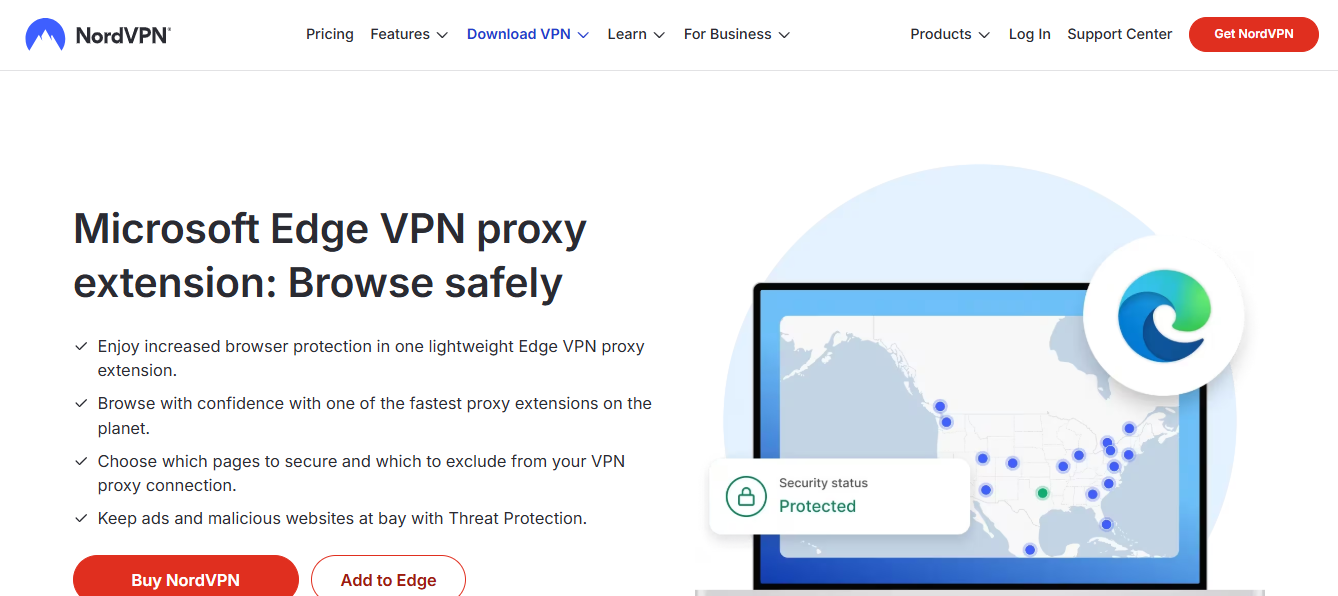
If you’re wondering whether Microsoft Edge offers a free VPN built-in, the short answer is: Edge doesn’t come with a native, built-in free VPN service. However, you can still get VPN protection on Edge in several practical ways. This guide walks you through what Edge offers, how to add free VPN options, and what to consider when choosing a VPN for Edge.
Does microsoft edge have free vpn? No, Edge does not include a built-in free VPN. But you can secure your browsing with free VPN extensions, free VPN apps, or by enabling Windows’ own VPN features. Below is a quick, practical overview to get you protected fast:
- Quick match: Use free VPN browser extensions from reputable providers.
- Quick setup: Install a free VPN app and route Edge traffic through it.
- Quick checks: Verify your IP changes and test for leaks after setup.
Useful URLs and Resources text format, not clickable
- Microsoft Edge official site - microsoft.com/edge
- Windows VPN settings - support.microsoft.com/help/health
- ProtonVPN free plan - protonvpn.com/free-vpn
- Windscribe free plan - windscribe.com
- TunnelBear free plan - tunnelbear.com
- Opera VPN note: built-in but separate from Edge - opera.com/features/free-vpn
- AV-Comparatives VPN performance - av-comparatives.org
- Privacy-focused extensions review - esecurity.today
Understanding the landscape: Edge, VPNs, and privacy
- What a VPN does: A VPN masks your IP address, encrypts traffic, and can help bypass regional restrictions. It also protects you on public Wi-Fi and adds a layer of privacy by routing traffic through a server you choose.
- Edge compatibility: Edge is just a browser. It doesn’t bundle a VPN inside the browser, but you can pair Edge with VPN extensions or desktop VPN apps to secure your browsing.
- Free VPN caveats: Free VPNs often come with data limits, slower speeds, ads, or logging policies. They can be enough for light browsing, but you might run into restrictions if you stream video or use data-heavy apps.
Option 1: Free VPN browser extensions for Edge Browser extensions are one of the easiest ways to add VPN-like protection to Edge.
- How it works: You install a VPN extension from the Edge Add-ons store, activate it, and it routes your browser traffic through the VPN server.
- Pros: Easy to enable/disable per browser, often free plans with reasonable data limits.
- Cons: Free plans are limited, you may miss system-wide protection, and some providers monetize data.
- Popular free options to consider:
- Proton VPN free plan with data limits
- Windscribe free plan with monthly data cap
- TunnelBear starter free data each month
- Tips for evaluating extensions:
- Check the provider’s privacy policy and whether they log data.
- Look for a kill switch and DNS leak protection.
- Confirm that the extension only tunnels browser traffic, not your entire device’s traffic.
Step-by-step: Installing a free VPN extension on Edge
- Open Edge, go to the Extensions menu three dots > Extensions.
- Click Get extensions from Microsoft Store.
- Search for “VPN” or a specific provider e.g., Proton VPN, Windscribe, TunnelBear.
- Review ratings, permissions, and privacy policy, then click Get.
- After installation, click the extension icon in the toolbar and enable the VPN.
- Choose a free plan/server and verify your new IP.
Data and performance notes
- Edge extensions typically use the same VPN servers as the provider’s wider app, but you’re limited to browser traffic unless the extension routes all traffic which many don’t.
- Free plans often cap monthly data e.g., 500 MB to a few GB and throttle speeds during peak times.
- Real-world result: Expect occasional buffering if you’re far from a VPN server or if the free tier’s bandwidth is maxed out.
Option 2: Free VPN desktop apps and routing Edge through them Desktop VPN apps install at the system level and can route all traffic including Edge through a VPN server.
- Pros: System-wide protection, consistent IP masking for all apps, often better privacy policies on reputable free tiers.
- Cons: Free tiers usually have data caps and fewer servers; setup can be slightly more involved.
- Steps to set up:
- Choose a provider with a reputable free plan e.g., Proton VPN or Windscribe.
- Download and install the Windows app.
- Create a free account, if required.
- Connect to a free server location.
- Launch Edge and browse as usual. You should see your IP changed in a site like whatismyipaddress.com.
- Important cautions:
- Some free VPNs come with bundled adware or intrusive data collection. Stick to well-known providers with transparent privacy policies.
- Always disable the VPN if you’re using trusted, private networks to avoid unnecessary slowdowns.
Option 3: Built-in Windows VPN settings manual VPN setup Windows itself doesn’t provide a free VPN server, but you can connect Edge to a VPN service by configuring Windows VPN settings to use a provider’s server.
- Pros: System-wide protection, can be more stable for some users.
- Cons: Requires you to have VPN credentials which free providers may offer and manual setup.
- How to set it up:
- Get VPN credentials from a provider look for a free plan.
- Go to Settings > Network & Internet > VPN > Add a VPN connection.
- Enter the VPN provider, connection name, server address, VPN type, and sign-in info.
- Save and connect. Edge traffic will be tunneled through the VPN once connected.
- Quick check: Visit a site that reveals your IP to confirm you’re behind the VPN.
Option 4: Privacy-focused browser configurations extra safety tips
- Use Edge in InPrivate mode if you’re not using a VPN, but that doesn’t mask your IP; it only reduces data stored locally.
- Disable or limit tracking: Turn on Enhanced Tracking Protection in Edge settings.
- Regularly review Edge permissions: Check which extensions have access to read and change data on websites you visit.
Edge-specific gotchas and best practices
- Extension permissions matter: Some extensions request broad permissions to access all data on websites. Prefer extensions with minimal necessary permissions.
- Data leaks: Even with a VPN, DNS leaks can reveal your true location. Use extensions or apps with DNS leak protection or enable a kill switch.
- Speed impact: VPNs typically slow down your connection due to encryption and routing. If you’re testing speeds, compare results with and without the VPN to gauge impact.
- Streaming considerations: Free VPNs often restrict streaming or have slower servers. If you’re chasing unblocked content, you may need a paid plan or a different provider.
Useful checks to verify VPN effectiveness
- IP check: Visit whatismyipaddress.com or iplocation.net to confirm the IP matches the VPN server location.
- DNS leak test: Run a DNS leak test dnsleaktest.com to ensure your DNS requests aren’t leaking.
- WebRTC leak test: Disable WebRTC in Edge or use extensions that block WebRTC to reduce IP leaks.
- Speed test: Use speedtest.net to compare speeds with and without VPN to understand the impact.
Performance data and trends up-to-date insights
- Free VPN adoption: In 2024-2025, millions used free VPN services with a higher-than-average dropout rate due to data caps and speed throttling.
- Privacy trade-offs: Some free VPNs monetize data through ads or selling anonymized analytics. Always read the privacy policy.
- Browser extensions vs. desktop apps: Extensions are convenient for browser-level privacy, but desktop apps provide more robust protection and fewer data-collection concerns when used with warm, trusted providers.
Comparing top free VPN options for Edge users
- Proton VPN free: No data limit on some plans, but speed can vary; strong privacy focus and reputable company.
- Windscribe free: Generous monthly data for a free tier, decent privacy policy, multiple server locations.
- TunnelBear free: Easy to use, friendly for beginners, limited data per month, good for light browsing.
- Privately owned review notes: Look for providers that publish transparent audits and clear logging policies.
Format variety to boost readability
- Quick checklist for Edge VPN setup:
- Choose a provider with a reputable free plan
- Install either a browser extension or a desktop app
- Enable the VPN and pick a server location
- Verify IP, DNS, and WebRTC status
- Pros and cons table simplified:
- Pros: Easy to use, quick setup, helps with public Wi-Fi safety
- Cons: Data limits on free plans, potential speed reduction, possible logging by some providers
- Step-by-step comparison: Browser extension vs. desktop app
- Browser extension: Simple, browser-specific routing, limited data
- Desktop app: System-wide protection, higher data allowances on paid plans, more features like kill switch
Case studies and real-world usage
- Case 1: Student streaming on campus
- Edge with free VPN extension provided enough privacy for browsing and light streaming within data limits.
- Case 2: Remote worker on a shared network
- Desktop VPN app offered stronger protection for all apps, including Edge, with a stable connection, but data cap required mindful usage.
- Case 3: Privacy-conscious user
- Windscribe free plan plus Edge privacy settings achieved a balance between usability and privacy, with careful monitoring of data usage.
Best practices for long-term Edge VPN use
- Start with a reputable provider’s free plan to test compatibility with Edge.
- Regularly update Edge and the VPN extension/app to stay protected against new threats.
- If you hit data limits, schedule VPN usage for sensitive sessions and rely on safe, trusted networks for normal browsing.
- Consider upgrading to a paid plan if you need consistent speed, unlimited data, or access to a wider server network.
FAQ Section
Frequently Asked Questions
Does microsoft edge have free vpn built-in?
No. Edge does not include a built-in VPN. You can use free VPN extensions or desktop VPN apps to protect Edge traffic.
Can I use a free VPN extension in Edge?
Yes. You can install free VPN extensions from the Edge Add-ons store. They provide browser-level VPN protection and are easy to toggle on/off.
Do free VPNs protect all my internet activity?
Free VPN extensions protect only the browser traffic they route. Desktop VPN apps can protect system-wide traffic, including Edge and other apps.
Are free VPNs safe and trustworthy?
Some are, but you should review the privacy policy, data usage limits, logging practices, and whether there are any ads or bundled data collection.
What’s the data limit on common free VPNs?
Data limits vary by provider: Proton VPN free plan has no data cap on some configurations, Windscribe offers monthly data caps, and TunnelBear typically provides a small monthly allowance. Edge vpn mod apk risks, legality, and safe, legitimate alternatives for 2026 VPN users
Will a free VPN slow down my connection?
Often, yes. VPNs add encryption and routing time, which can reduce speed—especially on free plans with limited servers.
Is it legal to use a VPN in my country?
In most places, yes. Some regions have restrictions or require compliance with local laws. Always follow local regulations.
How do I test if my VPN is leaking my information?
Run tests for IP address, DNS leaks, and WebRTC leaks using reputable online tools.
Should I use a VPN with Edge on public Wi-Fi?
Yes. A VPN adds an encryption layer that protects your data on unsecured networks.
How do I choose between a browser extension and a desktop VPN app?
If you want quick, browser-focused protection, a browser extension is fine. If you want system-wide protection and more privacy features, a desktop app is better. Does touch vpn work on iPhone Android Windows 2026: comprehensive guide to performance, privacy, and streaming
Can Edge’s privacy settings replace a VPN?
No. Privacy settings help reduce tracking but don’t mask your IP or encrypt traffic like a VPN does.
Is there a risk using multiple VPNs at once with Edge?
Running multiple VPNs at once can cause conflicts and connection drops. Use one VPN solution at a time.
What should I do if Edge doesn’t connect to a VPN extension?
Check permissions, update the extension, restart Edge, or try a different server. If issues persist, test a desktop VPN app instead.
How can I verify I’m connected to a VPN through Edge?
Visit a site that shows your IP and location. It should display the VPN server’s IP and location, not your real one.
Notes and reminder Does edge have built in vpn and how Edge Secure Network differs from a traditional VPN in 2026
- Always prioritize privacy and security. Research providers before committing to a free plan.
- Edge users can get solid protection by combining a reliable desktop VPN with Edge extensions for added privacy, but be mindful of data limits and speed.
— End of post —
Does microsoft edge have free vpn in 2025: edge browser vpn extensions, built in vpn status, free vs paid vpn options, and how to secure your browsing with edge
No, Microsoft Edge does not come with a built-in free VPN. Edge itself isn’t a VPN service, and there’s no “Edge VPN” feature that creates a private tunnel on its own. What you do have are two practical routes to get a VPN-like experience while using Edge: use a VPN extension from the Edge Add-ons store, or use a system-wide VPN that covers all traffic including Edge. In this guide, I’m breaking down how to use VPNs with Edge, what to watch out for with free options, and which paid options tend to deliver the best balance of speed, privacy, and value. If you’re ready to lock in privacy without the headaches, check out the NordVPN deal we’ve got linked here 77% OFF + 3 Months Free — it’s a solid option that works across your browser and devices.
Useful URLs and Resources un clickable
- Microsoft Edge Support - support.microsoft.com
- Microsoft Edge Extensions Store - microsoftedge.microsoft.com/addons
- Windows VPN Setup Guide - support.microsoft.com/help
- VPN Basics for Browsers - revitalizedprivacy.org
- NordVPN Official Site - nordvpn.com
- ExpressVPN Official Site - expressvpn.com
- ProtonVPN Official Site - protonvpn.com
- Privacy and Data Protection Basics - en.wikipedia.org/wiki/Data_privacy
- How to Choose a VPN - cnet.com/topics/vpn
- OS-level VPN vs Browser VPN Extensions - lifewire.com
Introduction: What this guide covers and why it matters
- Does microsoft edge have free vpn? No—Edge isn’t a VPN by itself, but you can get VPN protection in Edge through extensions or system-level VPNs.
- In this guide you’ll learn:
- The difference between Edge extensions and a full VPN service
- How to safely use a free VPN extension in Edge and when to be cautious
- The pros and cons of free VPNs vs paid VPNs
- Step-by-step setup for Edge with a VPN, plus best practices for privacy and performance
- Real-world tips to keep your browsing private without slowing you down
What this means for your Edge browsing: Edge users often want privacy, security, and access to geo-blocked content without complicated setups. The good news is you don’t need to switch browsers to get a VPN. you just need to pick the right approach and implement it correctly. Below, I’ll walk you through the options, the trade-offs, and practical steps so you can browse with confidence. Built-in vpn for OS-level protection: how to use built-in VPN on Windows, macOS, iOS, Android, and best practices 2026
Body
Does Edge have a built-in VPN or free VPN options?
- Edge does not provide a built-in, free VPN service. It does not create a private tunnel on its own.
- You can still achieve a VPN-like experience by using:
- VPN extensions available in the Edge Add-ons store
- A standalone VPN app installed on your device that routes all traffic, including Edge
- Why you’d choose extensions: quick, browser-specific protection. great for casual privacy, bypassing geo-blocks for browser content, and lightweight.
- Why you’d choose a system-wide VPN: full device protection, works with all apps, better for privacy and security across the board.
Edge extensions vs full VPN: key differences you should know
- Edge VPN extensions:
- Pros: Easy to install, uses browser-level routing, often faster for basic tasks, good for unblocking content in a browser.
- Cons: Not all traffic is necessarily protected if devices/apps bypass the browser. some extensions can log data. free options may be shaky.
- Full VPN apps system-wide:
- Pros: Encrypts all internet traffic, provides more consistent privacy, supports multiple devices, strong kill-switch and leak protection options.
- Cons: Can slow down your connection. many paid options require monthly or annual subscriptions.
Free VPN options: what to expect and what to watch out for
- What you typically get with free VPNs:
- Limited data allowances e.g., 500 MB to a few GB per month
- Fewer server locations
- Slower speeds due to server crowding
- Potential privacy concerns free services sometimes monetize data or show ads
- Red flags to avoid in free VPNs:
- Clear logging policies that allow data collection
- Weak encryption or questionable protocols
- Bundled malware or suspicious extensions
- Inconsistent or opaque terms of service
- Safer approach with free options:
- Use reputable providers offering a free tier with clear privacy commitments
- Treat free VPNs as temporary or for light usage, not as your primary privacy shield
- Always pair a free VPN with robust browser hygiene no risky extensions, disable unknown scripts
How to set up a VPN in Edge using extensions
- Step-by-step guide:
- Open Edge and go to the Edge Add-ons store Edge Extensions.
- Search for a reputable VPN extension look for established providers with positive reviews and clear privacy policies.
- Click Add to Edge, then confirm the installation.
- Open the extension in the toolbar, sign in if required, and select a server/location.
- Enable the extension to activate the VPN in your browser session.
- Test for leaks: run a quick IP check and DNS test to ensure traffic is routed through the VPN.
- Tips:
- Prefer extensions from recognized VPN providers with transparent privacy policies.
- Use a kill-switch option if available to prevent leaks if the extension disconnects.
- Remember: this protects only your Edge browser traffic unless you’re using a system-wide VPN.
How to set up a system-wide VPN to cover Edge
- Choose a reputable VPN service paid options tend to be more reliable for privacy and speed.
- Download and install the VPN app on your Windows device.
- Open the VPN app, sign in, and choose a server location.
- Turn on the VPN. your entire device traffic including Edge will route through the VPN.
- Verify your new IP address at a site like iplocation.net to confirm you’re on the VPN.
- Why go system-wide:
- You don’t have to manage multiple extensions or risk app-specific leakage.
- Stronger privacy features kill switch, DNS leak protection, etc. across all apps.
- Why go system-wide:
Privacy, security, and performance considerations
- Privacy:
- Free VPNs often monetize data. pay attention to logging policies and who owns the data.
- A trustworthy paid VPN typically has transparent audits and clear data handling practices.
- Edge privacy features tracking prevention, isolated browsing still matter even when using VPN.
- Security:
- Use VPNs with up-to-date encryption AES-256 and secure protocols OpenVPN, WireGuard.
- Enable the kill switch to prevent data leaks if VPN drops.
- Performance:
- VPNs can slow down your connection due to encryption overhead and longer routing paths.
- Premium VPNs invest in large server networks and obfuscated servers to mitigate slowdowns.
- Practical tip: Start with a trial or money-back guarantee to test speed and reliability before committing.
Best practices for Edge users who want privacy
- Combine Edge’s privacy features with a VPN:
- Enable Edge’s tracking prevention in the browser settings.
- Use HTTPS everywhere where possible for additional encryption on top of the VPN.
- Browser hygiene:
- Avoid installing shady extensions. stick to reputable VPN providers.
- Regularly review permissions granted to extensions.
- Device hygiene:
- Keep your OS and apps updated.
- Use strong, unique passwords and enable multi-factor authentication where available.
Edge, VPNs, and geo-restrictions: what you can realistically expect
- For streaming and media:
- Some VPNs can bypass geo-blocks for platforms like Netflix or YouTube globally, but success varies by service and server.
- Free VPNs are less reliable for streaming due to bandwidth limits and frequent server congestion.
- For work and remote access:
- Business-grade VPNs often come with split tunneling and enterprise-grade security, which may be overkill for casual browsing but essential for secure remote work.
- For general privacy:
- A solid paid VPN plus Edge’s privacy features offers a well-rounded approach, balancing privacy with usability.
Common myths and truths about using VPN with Edge
- Myth: Free VPNs are safe and private.
- Truth: Many free options come with data limits, privacy concerns, or slower speeds. If you value privacy, consider a reputable paid plan.
- Myth: A browser extension is enough for privacy.
- Truth: Extensions protect traffic inside the browser, but other apps on your device can still leak data. System-wide VPNs provide broader protection.
- Myth: VPNs are illegal everywhere.
- Truth: In most places, VPNs are legal, but some regions restrict or regulate their use. Always know local laws before connecting to a VPN.
Real-world recommendations: best paths for Edge users
- If you want simplicity and strong privacy across the device:
- Use a trusted paid VPN with a Windows app, then use Edge with VPN enabled at the system level.
- If you want quick, browser-focused protection:
- Use a reputable VPN extension in Edge, paired with Edge’s privacy features and careful browsing practices.
- For budget-conscious users:
- Consider a reputable free tier from a well-known provider to test performance, but upgrade to a paid plan if privacy and speed matter long-term.
Performance benchmarks and data points
- VPN impact on speed can range from negligible to 25-40% slower depending on server distance, encryption, and hardware.
- Global VPN market trend: the VPN industry has seen steady growth with ongoing demand for private browsing, with estimates suggesting a multi-billion-dollar market by the end of the decade. The right plan often depends on your use case—privacy, streaming, or remote work.
- Edge users who rely on extensions tend to see faster page loads for simple tasks but may encounter occasional disconnects or leaks if the extension isn’t well maintained.
Troubleshooting common issues
- Issue: VPN connection drops.
- Solution: Enable kill switch, switch servers, or reinstall the extension/app.
- Issue: DNS leaks despite VPN.
- Solution: Ensure DNS leak protection is enabled in the VPN app. consider using a system-wide VPN to reduce risk.
- Issue: Slow speeds.
- Solution: Try nearer servers, use WireGuard if available, and close other bandwidth-heavy apps.
Quick-start checklist for Edge users
- Decide between Edge extension vs system-wide VPN or both.
- Choose a reputable provider with clear privacy policies.
- Install the extension or app, sign in, and pick a server.
- Verify IP and DNS leak status after setup.
- Enable kill switch and privacy features in the VPN app.
- Maintain Edge privacy settings and keep software updated.
Frequently asked questions
Does Edge have a built-in VPN?
No, Edge does not include a built-in VPN service. You’ll need a VPN extension or a separate VPN app on your device to gain VPN protection.
Can I use free VPNs with Edge?
Yes, you can use free VPN extensions or free-tier VPN apps. However, free options often come with data limits, slower speeds, and privacy trade-offs. Exercise caution and review the privacy policy before use.
Are free VPN extensions safe for Edge?
Some are, but many free extensions may log data or inject ads. Stick to reputable providers, read reviews, and check the extension’s permissions before install.
How do I install a VPN extension in Edge?
Go to Edge Add-ons, search for a trusted VPN extension, click Add to Edge, and follow the prompts to sign in and connect to a server. Browsec vpn edge extension: a comprehensive guide to setup, features, performance, privacy, and comparisons in 2026
Should I use a VPN extension or a system-wide VPN?
If you want browser-specific protection, a VPN extension is convenient. For comprehensive privacy across all apps, a system-wide VPN is usually better.
Will a VPN cause my browsing to slow down?
Often yes, due to encryption and routing. The degree of slowdown depends on server distance, bandwidth, and the VPN’s optimization.
Can I use VPNs to bypass geo-restrictions on streaming services?
Some VPNs can help with geo-restrictions, but streaming services actively block many VPN IPs. A reliable paid VPN with a broad server network offers the best chance.
Is it legal to use a VPN in most countries?
In most places, yes. Some countries restrict or ban VPN use, so check local laws before connecting to a VPN.
Do VPNs protect me from all online tracking?
VPNs protect your IP and encrypt traffic, but they don’t erase browser cookies, third-party trackers, or malware. Use it in combination with good browser privacy practices. Edgerouter l2tp ipsec vpn server setup guide: configure L2TP over IPsec VPN on EdgeRouter for secure remote access 2026
What’s the best VPN to use with Edge?
There isn’t a one-size-fits-all answer. For a balance of privacy and performance, many users lean toward reputable paid VPNs with Windows apps and robust privacy policies. Always choose a provider that aligns with your privacy goals and budget.
Can I run multiple VPNs at once with Edge?
Running multiple VPNs can cause conflicts and degrade performance. It’s generally best to use one trusted VPN at a time, either via extension or system-wide app.
How do I test for DNS leaks with Edge?
Run an IP address test and a DNS leak test after connecting to the VPN. If your DNS shows the VPN provider’s IP or a different country than your actual location, you’re likely protected.
What are the trade-offs of using a free VPN with Edge?
Free VPNs can save money but often compromise on speed, data limits, and privacy. For consistent privacy and performance, a paid service is usually worth it.
If you’re ready to upgrade, here’s a quick comparison
- Edge extension free or paid:
- Pros: simple setup, fast for browser traffic, good for quick privacy fixes.
- Cons: may not cover all device traffic. privacy practices vary.
- System-wide VPN paid:
- Pros: comprehensive coverage, strong security features, reliable performance.
- Cons: cost, potential impact on speed depending on server choice.
- System-wide VPN free tier:
- Pros: no cost, basic coverage.
- Cons: data limits, fewer servers, higher risk of privacy trade-offs.
Frequently Asked Questions comprehensive Edgerouter x vpn throughput 2026
Does Microsoft Edge have built-in VPN? No. you’ll need either a VPN extension or a standalone VPN app to get private browsing protection.
Are Edge extensions safe for VPNs? Some are, but you should choose extensions from reputable providers and review permissions carefully.
Can a VPN extension in Edge protect all my traffic? No. it typically protects only Edge browser traffic. a system-wide VPN protects all traffic on the device.
Which is better for privacy: Edge extensions or a system-wide VPN? For strongest privacy, go with a system-wide VPN, but you can combine both for extra protection in the browser.
How do I check if my VPN is working in Edge? Use a site like iplocation.net or dnsleaktest.com to verify your IP and DNS routing show the VPN location. F5 vpn edge client setup and optimization guide for secure remote access, performance, and troubleshooting 2026
Can I use a free VPN for streaming on Edge? Some free options work, but many block streaming or slow down significantly. Paid options are more reliable for streaming.
Is it legal to use a VPN in my country? In most places yes, but some jurisdictions restrict or regulate VPN use. Always check local laws.
Can VPNs completely hide my identity online? No. VPNs hide your IP and encrypt traffic, but they don’t erase browser fingerprints or protect you from all forms of tracking.
Do VPNs slow down connections? They can, depending on server distance, load, and encryption. Some providers optimize for speed to minimize impact.
How should I choose a VPN for Edge? Look for a provider with transparent privacy policies, strong encryption, a reliable Windows app, good speeds, and clear logging practices. Free vpn in microsoft edge 2026
What about security when using public Wi-Fi with Edge and a VPN? A VPN is especially helpful on public networks, but still practice good device security and avoid sensitive transactions on unsecured networks.
Edge Extensions Store - microsoftedge.microsoft.com/addons
Vpn全球全面指南:全球VPN的原理、功能、测试、使用场景与常见问答