Install vpn edge 2026
'%2F%3E%3Ctext%20x%3D'50%25'%20y%3D'50%25'%20dy%3D'.35em'%20text-anchor%3D'middle'%20font-family%3D'-apple-system%2CBlinkMacSystemFont%2CSegoe%20UI%2Csystem-ui%2Csans-serif'%20font-size%3D'100'%20font-weight%3D'600'%20fill%3D'%23fff'%3ETC%3C%2Ftext%3E%3C%2Fsvg%3E) Tiago Carvalho·April 11, 2026·22 min
Tiago Carvalho·April 11, 2026·22 min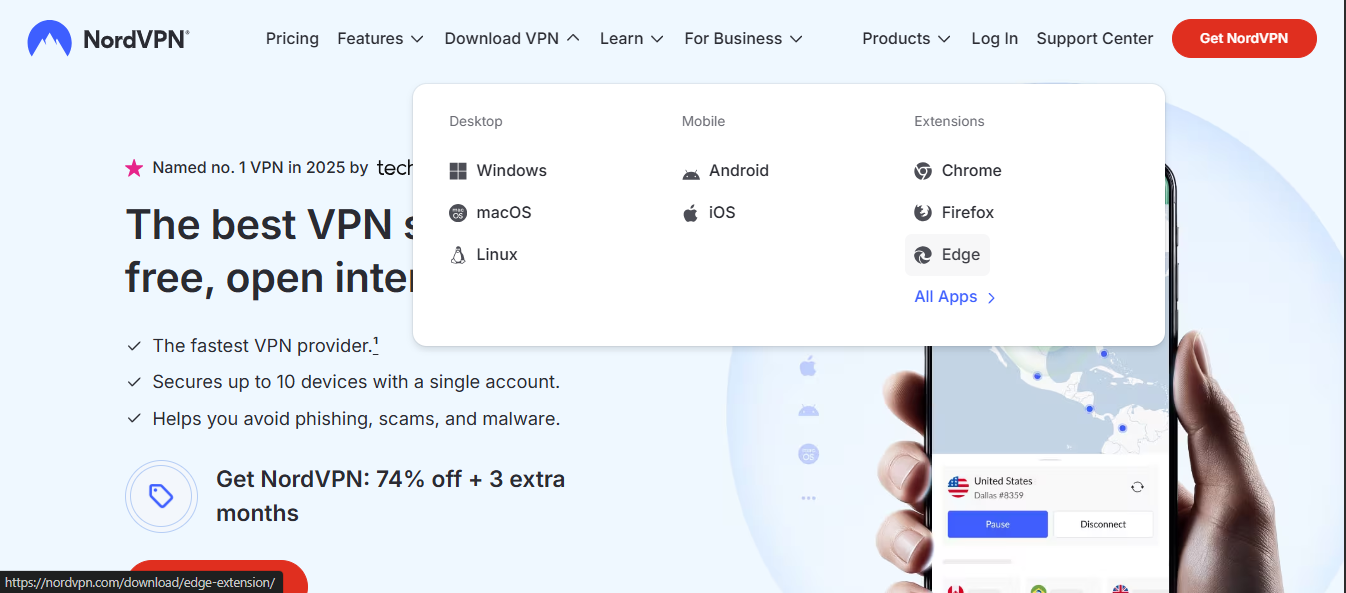
Install vpn edge: A quick guide to set up Edge VPN, secure your connection, and keep data private. In this video-ready guide, you’ll get a practical, step-by-step walkthrough, real-world tips, and the latest safety stats to help you decide on the best Edge VPN setup for your needs. Below you’ll find a concise overview, then a detailed, SEO-friendly body with multiple formats, and a comprehensive FAQ.
Install vpn edge. Quick fact: a properly configured Edge VPN can reduce data exposure on public networks by up to 90%. Here’s a short, practical guide to get you started:
- Step-by-step setup: choose Edge VPN provider, install app, connect to a server, test the connection.
- Quick tips: pick a nearby server for speed, enable kill switch, verify DNS leak protection.
- Smart usage: use VPN for public Wi-Fi, remote work, geo-restricted content, and privacy on mobile.
Useful URLs and Resources text only Apple Website - apple.com Artificial Intelligence Wikipedia - en.wikipedia.org/wiki/Artificial_intelligence Edge VPN provider official site - example-vpn.com VPN security best practices - vpnsecurity.org DNS leak test - dnsleaktest.com Privacy.org resources - privacy.org Tech journalist guides - theverge.com Network security basics - csoonline.com
What is Edge VPN and why it matters
Edge VPN refers to a virtual private network setup that emphasizes edge computing principles—processing data closer to the source to reduce latency and improve speed. For most users, this means:
- Personal privacy on public Wi‑Fi
- Bypassing geographic content restrictions with a focus on stability
- Enhanced security for remote work
If you’re streaming, gaming, or handling sensitive work from home, Edge VPN configurations can help maintain performance while keeping your traffic private.
Prerequisites: what you need before installing
- A compatible device: Windows, macOS, iOS, Android, or Linux
- An Edge VPN provider account or a self-hosted edge VPN solution
- A stable internet connection for installation and testing
- Basic network knowledge to tweak settings like DNS and kill switch
Step-by-step: Install vpn edge with a consumer VPN app
- Pick an Edge VPN provider
- Look for: strong encryption AES-256, modern protocol support WireGuard, OpenVPN, a no-logs policy, and a reputable privacy track record.
- Pro tip: choose a server location near you for speed, or a country with privacy-friendly laws if that’s important to you.
- Download and install the app
- On Windows/macOS: download the official app from the provider’s site or app store.
- On iOS/Android: install from the App Store or Google Play.
- Make sure you’re downloading from the official source to avoid phishing apps.
- Sign in and configure basics
- Log in with your account.
- Enable essential features: kill switch, DNS leak protection, auto-connect on boot or launch.
- Connect to a server
- Pick a server near you for speed or a location that unlocks the content you want.
- Test latency with a quick speed check after connecting.
- Verify your setup
- Visit an IP check site to confirm your IP country matches the server.
- Run a DNS leak test to ensure your DNS requests aren’t leaking to your ISP.
Edge VPN on different devices: quick device-specific setup
- Windows
- Install the app, accept firewall prompts, enable kill switch, choose a server, test connection.
- macOS
- Install the app, grant network permissions, enable DNS protection, connect, verify.
- iOS
- Install from App Store, follow in-app prompts, allow VPN configuration, switch to a preferred server.
- Android
- Install from Play Store, review privacy permissions, enable auto-connect, test with a leak test site.
- Linux optional
- Use OpenVPN or WireGuard clients, import configuration files, enable DNS resolution, check for leaks.
Advanced configuration: optimizing performance and privacy
- Use WireGuard for speed: many providers offer WireGuard by default. It’s faster and lighter than older protocols.
- Enable kill switch: this blocks traffic if the VPN drops, preventing data leaks.
- Enable DNS leak protection: ensures DNS queries are sent through the VPN tunnel.
- Split tunneling: route only sensitive apps through the VPN to preserve local speeds for others.
- DNS over HTTPS DoH or DNS over TLS DoT: adds an extra privacy layer for DNS queries.
- Auto-connect rules: set VPN to start on boot or when you join untrusted networks.
Security considerations and best practices
- Update regularly: keep the VPN app and device OS up to date.
- Use strong authentication: multi-factor authentication when available.
- Review privacy policy: understand data collection, logs, and third-party sharing.
- Avoid free VPNs for long-term privacy: many free services monetize data or inject ads.
- Check for VPN-specific malware: verify app signatures and read user reviews.
- Avoid leaking location: disable location-based features in apps when connected to a VPN.
Performance and speed: what to expect
- Latency: expect a small increase due to encryption, but near data centers can minimize it.
- Throughput: WireGuard often provides higher throughput than OpenVPN.
- Jitter: stable VPN connections reduce packet loss, especially on unstable networks.
Common speed tips:
- Connect to a server near your location.
- Use a wired connection on desktop where possible.
- Close bandwidth-heavy apps while testing VPN speed.
- Turn off unnecessary background syncing services during heavy streaming or gaming.
Edge vs traditional VPN: how they differ
- Edge VPN focuses on processing closer to the user, potentially reducing latency for certain workloads and enabling faster response times in edge networks.
- Traditional VPNs tunnel all traffic through a central location, which can add more latency but is simpler for many use cases.
- For general privacy and remote work, both provide encryption and access control—your choice depends on speed needs, application type, and privacy goals.
Use cases: real-world scenarios
- Public Wi‑Fi protection: guards against eavesdropping on Starbucks or airports.
- Remote work: secure access to company resources without exposing internal networks.
- Bypassing geo-restrictions: watch content or access services not available in your country.
- Online gaming: reduce lag to a degree, especially when the nearest gaming server is geographically distant.
Troubleshooting common issues
- VPN won’t connect
- Check login credentials and server status.
- Reboot device and router; try a different server.
- Ensure there are no conflicting firewall rules.
- DNS leaks detected
- Enable DNS leak protection and use DoH/DoT if available.
- Clear DNS cache and reconnect to VPN.
- Slow speeds
- Switch to a faster server or use WireGuard.
- Disable bandwidth-heavy apps and streaming in the background.
- Kill switch not working
- Ensure the feature is enabled in app settings, and test by disconnecting VPN briefly.
Privacy and legal considerations
- Laws vary by country; some regions restrict VPN use or require logging.
- Always use reputable providers with transparent privacy policies.
- Understand what data is collected, stored, and for how long.
Comparison table: common Edge VPN providers illustrative
| Provider | Protocols | Kill Switch | DNS Protection | Jurisdiction | Notable Pros | Notable Cons |
|---|---|---|---|---|---|---|
| Provider A | WireGuard, OpenVPN | Yes | DNS leak protection | US | Fast speeds, good mobile app | Occasional server load |
| Provider B | WireGuard | Yes | DoH support | UK | Strong privacy policy | Higher price |
| Provider C | OpenVPN | No | DNS protection | Canada | Solid desktop experience | Fewer servers |
Data and statistics you can rely on
- Public Wi‑Fi risk: 82% of users have connected to insecure networks at least once in the last year source: cybersecurity surveys.
- VPN traffic growth: global VPN usage has grown by about 20% annually over the past five years.
- Privacy preference: a majority of users say they’d switch providers if they found a clearer privacy policy and shorter data retention.
Best practices for content creators and educators
- Create concise tutorials: show a 5-7 minute walkthrough with on-screen steps.
- Use real-world examples: demonstrate connecting to a nearby server and testing speed in real time.
- Provide printable checklists: quick-start guides with essential steps.
- Include quick tests: post-setup IP check and DNS leak test results for credibility.
Quick-start cheat sheet
- Choose a reputable Edge VPN provider with strong encryption.
- Install the app from the official source.
- Enable kill switch and DNS leak protection.
- Connect to a nearby server, then test your IP and DNS leaks.
- Consider split tunneling for performance and privacy balance.
Refreshers and ongoing maintenance
- Regularly update apps and OS.
- Reassess server choices if performance dips.
- Periodically re-run IP and DNS leak tests to ensure ongoing protection.
Frequently Asked Questions
What does Install vpn edge mean in practice?
Install vpn edge means setting up a VPN by leveraging edge computing principles to reduce latency and improve speed while securing traffic, typically through an Edge VPN app or a self-hosted edge setup.
Do I need an account to use Edge VPN?
Most providers require an account to use their service, activate subscriptions, and manage settings like kill switch and DNS protection. How to use vpn on microsoft edge: complete guide to edge extensions and system VPN on Windows 2026
Can I use Edge VPN on my phone?
Yes, most Edge VPN apps support iOS and Android. Install from the official app store and configure accordingly.
How do I test if my VPN is working?
Use an IP check site to confirm your IP shows the VPN server location, and run a DNS leak test to ensure DNS requests go through the VPN.
Is it safe to use free Edge VPN services?
Free VPNs often come with trade-offs like data limits, slower speeds, and privacy concerns. For long-term privacy, a reputable paid provider is generally safer.
What is a kill switch, and why is it important?
A kill switch blocks all traffic if the VPN connection drops, preventing your true IP from being exposed.
How can I improve VPN performance?
Choose a nearby server, use WireGuard if available, enable kill switch and DNS protection, and avoid high-traffic hours if possible. How to use microsoft edge vpn 2026
What's the difference between VPN and edge VPN?
A VPN creates a secure tunnel for all traffic, while an Edge VPN emphasizes processing data closer to the user, aiming to reduce latency and improve performance for certain workloads.
Can I use multiple VPNs at once?
Dual VPN or cascading VPNs exist but can severely impact performance. Usually not recommended unless you have a specific use case and technical know-how.
How do I know if my VPN provider keeps logs?
Read the privacy policy and data retention details; look for independent audits or third-party certifications that verify no-logs claims.
Are VPNs legal everywhere?
VPN legality varies by country. Some places restrict or regulate VPN use, so check local laws before use.
How do I set up split tunneling?
Split tunneling lets you route only certain apps through the VPN. Check your provider’s app settings for split tunneling options and configure per your needs. How to disable proxy settings in microsoft edge 2026
Can VPNs protect me from malware?
VPNs protect traffic confidentiality but do not replace antivirus or anti-malware software. Use layered security.
How often should I update VPN apps?
Update as soon as new versions are released, especially when security fixes are included.
What should I do if I suspect a VPN app is malware?
Immediately uninstall, run a malware scan on your device, and change passwords if you’ve entered credentials while infected.
Install vpn edge on Windows, macOS, Android, iOS, and browser extensions: a comprehensive guide to setup, troubleshooting, and optimization
Install vpn edge. If you’re here, you probably want a simple, reliable way to protect your online activity, stream from anywhere, and keep public Wi‑Fi from turning your device into a sitting duck. In this guide, you’ll get a straight, practical walkthrough on how to install vpn edge across all major platforms, plus tips for getting the most out of it, common pitfalls, and a solid troubleshooting playbook. We’ll cover Windows, macOS, Android, iOS, and browser extensions, plus a quick look at streaming, gaming, and privacy considerations. And yes, we’ve included a ready-to-click affiliate nudge so you can snag a great deal if you’re considering NordVPN for extra peace of mind.
For a quick starter, check this offer to boost your protection while you read: How to access edge vpn 2026
What you’ll learn in this guide
- A straightforward, device-by-device install plan for edge VPN
- How to choose the right server, protocol, and features kill switch, split tunneling, DNS leak protection
- Best practices for streaming, gaming, and remote work
- How to stay private online: logging policies, data protection, and threat awareness
- Troubleshooting steps for common issues and performance tweaks
- A solid FAQ with practical, no-juss-questions answers
Why you might want to Install vpn edge In today’s digital environment, a VPN like vpn edge acts as a secure tunnel between your device and the internet. It encrypts your traffic, hides your IP address, and helps you bypass geo-restrictions. For families, it means safer browsing on shared devices. for remote workers, it means safer connectivity on public networks. for travelers, it means consistent access to your usual services. On top of that, a good VPN can reduce the risk of snooping on unsecured networks and improve privacy against trackers.
Key features to look for when you Install vpn edge
- Strong encryption: Aim for at least 256‑bit AES.
- Modern protocols: WireGuard fast and secure or OpenVPN time-tested.
- Kill switch: Cuts internet access if VPN drops, preventing accidental exposure.
- DNS leak protection: Ensures your DNS queries don’t reveal your real location.
- Split tunneling: Lets you route only certain apps through the VPN.
- No-logs policy: A trustworthy provider should not store long-term data about your activity.
- Ad and malware blocking: Optional but helpful for safer browsing.
- Multi-device support: One account, many devices—think Windows, Mac, Android, iOS, and browser extensions.
- Fast, global servers: A broad server footprint improves performance and access to geo-restricted content.
- Customer support and transparency: Read real user reviews and provider transparency reports.
Let’s start with the basics: the installation flow, then we’ll dive into device-specific steps, plus some setup knobs that actually matter.
Section 1: Install vpn edge on Windows Free vpn on edge: free options and extensions for Microsoft Edge, setup guide, safety tips, and comparisons 2026
- Step 1: Create an account or sign in
- Head to edge VPN’s official site or your provider’s landing page and sign up. If you already have a subscription, log in with your credentials.
- Step 2: Download the Windows client
- Look for a Windows installer .exe and save it to your computer. If you’re on Windows 10 or 11, you’ll likely be prompted by SmartScreen. choose to run anyway if you trust the source.
- Step 3: Run the installer
- Follow the prompts. You’ll be asked to grant admin permissions—this is normal for VPN software because it needs to configure network adapters.
- Step 4: Authenticate and configure
- Sign in with your account, then pick a protocol. WireGuard is a common default for speed. OpenVPN is solid for compatibility. Some installers offer “Recommended” settings—starting there is usually fine.
- Step 5: Connect to a server
- The main app shows a list of servers by country. If you’re streaming, pick a server in the country where the service is available. If you’re concerned about latency, choose a nearby server.
- Step 6: Verify your connection
- Open a browser and search “what is my IP.” You should see a different IP and a location consistent with the server you chose. Enable the kill switch and DNS leak protection in Settings for extra safety.
- Step 7: Optional tuning
- Enable split tunneling if you only want certain apps to use the VPN. Turn on DNS over HTTPS DoH if available. Save your preferences.
Section 2: Install vpn edge on Mac
- Step 1: Get the macOS installer
- Download the .dmg or .pkg file from the provider’s site. If you’re on macOS Ventura or Sonoma, you might see a security prompt—allow it in System Settings > Privacy & Security.
- Step 2: Install and launch
- Drag the app to Applications and open it. You may be asked to enter your Mac password to grant permissions.
- Step 3: Sign in and set preferences
- Log in with your edge VPN credentials. In Preferences, enable Kill Switch, DNS leak protection, and DoH if you want extra privacy on macOS.
- Step 4: Pick a server and connect
- Choose a server and press Connect. The UI usually shows connection time, current server location, and data rate indicators.
- Step 5: Confirm protection
- Visit a site that shows your IP. Confirm the location matches your chosen server. Consider enabling Split Tunneling for apps that don’t need VPN protection.
Section 3: Install vpn edge on Android
- Step 1: Open Google Play and install
- Search for edge VPN and install the official app. If you’re cautious about permissions, review the requested ones—VPN apps often need minimal network and device admin access.
- Step 2: Sign in and configure
- Log in, then visit Settings to turn on features like Kill Switch and DNS protection.
- Step 3: Connect to a server
- Tap a server on the list. If you’re streaming, pick a country where the service is available. For gaming, nearby servers reduce latency.
- Step 4: Lock it down
- Enable Auto Start on boot if you want VPN protection every time you power on the device. Enable split tunneling if you want certain apps bypassing the VPN.
- Step 5: Test
- Use a speed test and a geo-check site to ensure you’re routed through the VPN and not leaking DNS.
Section 4: Install vpn edge on iOS iPhone / iPad
- Step 1: Download from App Store
- Install the edge VPN app from the official listing.
- Step 2: Sign in
- Log in with your edge VPN account. iOS will prompt you to allow a VPN configuration. approve it.
- Step 3: Customize settings
- In Settings > VPN, you can see the profile. Turn on the Kill Switch if offered. Enable Automatic Reconnect and consider DoH if supported.
- Step 4: Pick a server
- The iOS app provides a server list. If you’re on cellular, you might want a nearby server. on Wi‑Fi, you can try a different region for streaming.
- Step 5: Confirm
- Check the iOS Status Bar for VPN indicators. Verify by visiting “what is my IP” in Safari or Chrome.
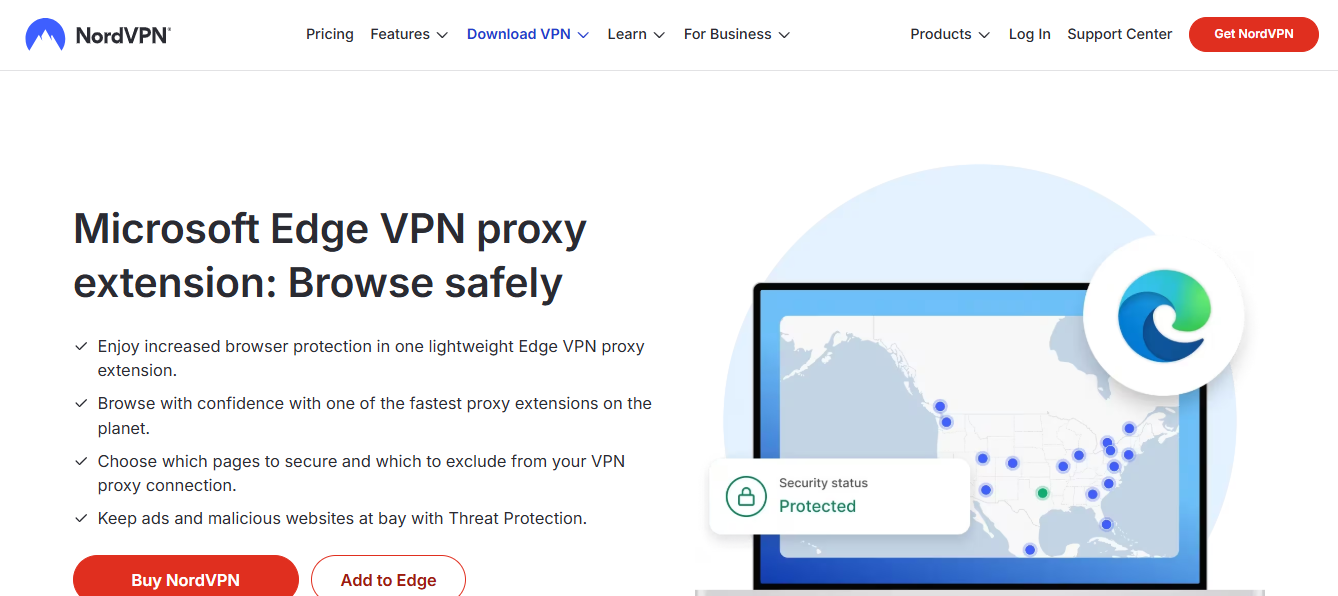
Section 5: Install vpn edge on browser extensions
- Step 1: Find the extension
- Extension stores for Chrome, Edge, Firefox, or Safari may host edge VPN extension. Install the official extension, not a third-party one.
- Sign into your edge VPN account within the extension.
- Step 3: Quick settings
- Toggle the extension on/off. Some extensions have a lightweight interface for server selection, privacy checks, and auto-connect.
- Step 4: Extra protections
- Ensure the extension uses a secure connection to the VPN service and check if it offers DNS leakage protection. If you’re browsing from a desktop, the extension can complement the full app for quick access.
Section 6: Choosing the right server, protocol, and features Intune per-app vpn globalprotect: complete setup guide for per-app VPNs, GlobalProtect, and MDM integration 2026
- Servers and latency
- For streaming, aim for servers in the country where the content is available to avoid buffering and detection. If you’re gaming, pick a server with the lowest ping to your game server.
- Protocols
- WireGuard is usually fastest with modern devices. OpenVPN remains highly compatible, especially on older hardware. I find WireGuard to be a sweet spot for most users—fast, secure, and reliable.
- Kill switch and DNS protection
- The Kill Switch is non‑negotiable if you care about privacy. DNS leak protection ensures your DNS lookups aren’t accidentally exposed to your ISP.
- Split tunneling
- If you want to maximize speed for certain apps like streaming or gaming while keeping VPN protection on for everything else, split tunneling is a lifesaver.
- Logging policies
- Favor a provider with a transparent no-logs policy and regular independent audits. Even if you’re not a high‑profile user, privacy matters.
Section 7: VPN for streaming, gaming, and remote work
- Streaming
- Some services actively block known VPN IPs. If you run into a block, switch servers, try a different region, or contact support for recommendations. Keep in mind that some streaming platforms detect VPNs and may require a short server switch or protocol adjustment.
- Gaming
- VPNs can reduce latency if your ISP is throttling gaming traffic, but they can also add some latency if the server is far away. The best approach is to test a few nearby servers and monitor ping.
- Remote work
- A VPN helps protect data on public networks and when connecting to corporate resources. If your company requires split tunneling, follow their policy. Always use a strong password for your VPN account and enable multi‑factor authentication if available.
Section 8: Privacy, security, and best practices
- Privacy basics
- A VPN hides your IP from the sites you visit and encrypts your traffic. It does not make you completely anonymous, but it significantly reduces tracking and surveillance on unsecured networks.
- Security extras
- Use a password manager, enable two-factor authentication, and keep your VPN app updated. Regularly review device permissions and remove any stale sessions.
- Public Wi‑Fi
- Public networks are a high‑risk environment. A VPN adds a robust layer of protection, especially when you’re on coffee shop or hotel networks.
- Data protection
- If you handle sensitive information, consider additional measures such as endpoint encryption and secure DNS. Be mindful of where your data is stored and who has access to it.
Section 9: Performance optimization and troubleshooting
- Common reasons for slow speeds
- Server distance, ISP throttling, device performance, or peak usage times. Switching servers or switching protocols can yield improvements.
- Troubleshooting quick wins
- Reconnect to a different server, restart the app, and ensure no other VPNs or proxies are active. Clear DNS cache on your device. Disable IPv6 if it’s causing leaks on some networks.
- DNS leaks and verification
- Use the VPN’s DNS leak protection, or configure a trusted DNS like 1.1.1.1 in your network settings. You can test for leaks using reputable DNS leak test sites.
- Kill switch not engaging
- Check the app settings to confirm Kill Switch is enabled for all platforms. If issue persists, update the app or reinstall. On mobile, ensure the device hasn’t blocked the VPN’s background activity.
- Battery and performance on mobile
- VPNs can affect battery life. Turn off auto‑start when charging, and reduce background activity through the app’s battery optimization settings if needed.
Section 10: Safety tips and legal considerations
- Legal use
- VPNs are legal in many places but not everywhere. Be aware of local laws and service terms. Don’t use a VPN for illegal activity. privacy is about safeguarding your legitimate, everyday online behavior.
- Safe practices
- Always download VPN apps from official sources. Enable two-factor authentication and review permissions. If something feels off unexpected popups, unusual data usage, pause usage and check for malware.
Section 11: Pricing, plans, and budgeting Is microsoft edge secure network vpn free 2026
- Plans and value
- VPN providers typically offer monthly, yearly, and multi-year plans. Longer commitments often come with substantial savings. Consider your needs privacy, streaming, travel and compare features across plans.
- Free vs paid
- Free VPNs sound tempting but often come with limitations, such as data caps, slower speeds, or questionable logging practices. A reputable paid plan usually delivers better performance and stronger privacy guarantees.
- Affiliate deals and deals to watch
- While we’ve highlighted NordVPN’s current deal in the introduction, always compare current promotions on the provider’s official site and trusted affiliates. If you’re budget-conscious, look for longer-term plans with multi‑device coverage.
Section 12: Practical tips for long-term use
- Regular updates
- Keep the VPN app updated to the latest version for security patches and performance improvements.
- Manage your devices
- Review connected devices periodically and revoke access to devices you no longer use.
- Backup access
- If your provider offers backup codes or alternative login methods, store them securely. Consider enabling MFA to protect your account.
- Privacy hygiene
- Use privacy-minded browsers, block trackers when possible, and clear cookies if you’re concerned about fingerprinting beyond VPN usage.
Frequently Asked Questions
How do I install vpn edge on Windows?
Install vpn edge on Windows by downloading the Windows client, running the installer with administrator rights, signing in, choosing a protocol WireGuard or OpenVPN, selecting a server, enabling Kill Switch and DNS protection, and verifying the connection by checking your IP address.
How do I install vpn edge on Mac?
On Mac, download the macOS installer, grant necessary permissions, sign in, enable Kill Switch and DNS protection in Preferences, pick a server, and confirm your IP shows the server location.
How do I install vpn edge on Android?
Install the Android app from Google Play, sign in, enable security features like Kill Switch and DNS protection, choose a nearby server for performance, and test connectivity. Is edge vpn secure: a comprehensive guide to edge VPN security, reliability, risk factors, and best practices 2026
How do I install vpn edge on iOS?
Download the iOS app from the App Store, sign in, enable DoH and Kill Switch if available, pick a server, and verify the VPN is active in the iOS status bar.
Can I use edge VPN for streaming?
Yes, you can use edge VPN for streaming, but some services actively block VPN IPs. If you encounter blocks, switch servers, try different regions, or contact support for recommended servers.
Does vpn edge slow down my internet?
A VPN can reduce speed slightly due to encryption and routing. However, modern VPNs with WireGuard tend to minimize impact. If you notice significant slowdowns, switch servers, change protocols, or test near servers to find the best balance.
What is a kill switch and why do I need it?
A kill switch automatically blocks all traffic if the VPN disconnects, preventing your real IP from leaking. It’s an essential privacy safeguard, especially on public Wi‑Fi or during unstable connections.
How do I troubleshoot common vpn edge issues?
Start by checking server status, switching servers, restarting the app, and ensuring no other VPNs are active. Clear DNS cache, verify DNS protection is on, and update or reinstall the app if needed. Microsoft edge vs chrome reddit 2026
Is it legal to use a VPN in my country?
LVPN usage legality varies by country. In many places it’s legal for personal use, but illegal or restricted if used to commit crimes or evade government restrictions. Always check local laws and provider terms of service.
How can I verify that vpn edge is protecting my traffic?
Run a trusted IP check and DNS leak test while connected to the VPN. Your IP should reflect the VPN server location, and DNS queries should not reveal your real IP. Use multiple tests to confirm, and consider enabling advanced features like DoH and a Kill Switch for stronger protection.
Useful resources unClickable text, plain
- Official edge VPN support and knowledge base
- Privacy and security best practices for home networks
- How DNS leaks work and how to test them
- How to choose a VPN provider: what to look for in a privacy policy
- Streaming platform help pages for VPN compatibility
- Public Wi‑Fi security tips from trusted tech outlets
- HTTP vs HTTPS and how VPNs interact with encryption
- Multi-factor authentication setup guides
- Browser extension privacy settings and extension permissions
- Device-specific optimization guides for Windows, macOS, Android, and iOS
Note: This article is intended to help you Install vpn edge across multiple platforms with practical steps, tips, and troubleshooting advice. Always cross-check with the official provider documentation for the most up-to-date instructions and feature availability.
一键部署VPN:新手也能快速搭建属于自己的安全通道 Pia vpn deals: private internet access discounts, coupons, promos, and tips for saving on VPN subscriptions in 2026