Vpn premium price: comprehensive guide to pricing, plans, features, and how to choose the right option in 2026
'%2F%3E%3Ctext%20x%3D'50%25'%20y%3D'50%25'%20dy%3D'.35em'%20text-anchor%3D'middle'%20font-family%3D'-apple-system%2CBlinkMacSystemFont%2CSegoe%20UI%2Csystem-ui%2Csans-serif'%20font-size%3D'100'%20font-weight%3D'600'%20fill%3D'%23fff'%3EAP%3C%2Ftext%3E%3C%2Fsvg%3E) Anika Patel·April 11, 2026·20 min
Anika Patel·April 11, 2026·20 min
Vpn Premium Price Comprehensive Guide To Pricing Plans Features And How To Choose The Right Option In 2025 For Optimal Privacy And Speed
Vpn Premium Price Comprehensive Guide To Pricing Plans Features And How To Choose The Right Option In 2025 is your go-to resource for understanding how VPN pricing works, what features matter most, and how to pick the best plan for your needs this year. Quick fact: knowing exactly what you need can save you money and improve your online security. In this guide you’ll get a clear breakdown of pricing models, plans, features, and a step-by-step path to choosing the right option.
Useful quick takeaways:
- Monthly vs annual vs multi-year plans: what actually saves you money over time
- Key features to compare: logging policy, kill switch, split tunneling, device support, and speed
- How to evaluate performance, reliability, and customer service
- Practical tips to avoid common traps and overpay
What you’ll find in this guide:
- A concise pricing landscape snapshot with real-world numbers
- A feature-by-feature comparison you can reference quickly
- A decision framework to help you pick the right VPN for your situation
- Practical advice for testing and verifying service after signup
- A FAQ section to answer common questions from beginners to power users
Introduction: quick facts and what to expect
- Quick fact: the price you pay should naturally reflect the value you get in security, speed, and access to global servers.
- This guide covers pricing plans, features, and a practical approach to choosing the best option in 2025.
- Use this guide as a reference when you’re browsing deals, planning yearly budgets, or deciding whether to upgrade a plan.
- Formats you’ll see: side-by-side tables, quick bullet lists, and a step-by-step decision guide so you can skim and dive deeper where you want.
Pricing landscape snapshot 2025
- Typical price ranges per month:
- Monthly plans: $8 to $15 per month
- 1-year plans: $3.50 to $9 per month billed annually
- 2-year plans or longer: $2.50 to $6 per month billed every 24 months or more
- Discounts and promotions are common around holidays and back-to-school seasons.
- Features often scale with price, but not always. The best value usually comes from committing to an annual or multi-year plan if you actually use the VPN regularly.
- Some providers offer a 45–60 day money-back guarantee; others offer a 7-day trial or no-questions-asked return windows. Always read the policy.
What actually matters in pricing
- Core features that justify price:
- Strong no-logs policy and transparent privacy stance
- Wide server network across multiple countries
- Fast, reliable performance with good speeds on common devices
- Robust security features: encryption standards, kill switch, DNS leak protection
- Compatible with your devices Windows, macOS, iOS, Android, Linux, routers
- Simultaneous connections devices you can protect at once
- Optional features to watch for:
- Obfuscated servers for restricted networks
- Multi-hop or chain encryption
- Split tunneling to route some traffic outside the VPN
- WireGuard or other lightweight protocols for speed
- VPN + threat protection, ad/m malware blockers, or firewall features
- Dedicated IP options
- P2P/Torrent support and speed prioritization for file sharing
- Performance considerations:
- Geographic server distribution influences latency
- Bandwidth caps or throttling policies if any
- Server load and peak-time performance
How to compare plans quickly before you buy
- Create a quick feature checklist:
- Logs policy: no-logs or audited privacy proof
- Protocols: WireGuard, OpenVPN, IKEv2
- Kill switch and DNS leak protection: mandatory
- Simultaneous connections: count you’ll need
- Server count and locations: global reach
- P2P/torrent support: needed or not
- Streaming ability: bypass geo-restrictions for services like Netflix
- Extra security: malware/ads protection, ransomware alerts
- Weight each item by importance to you 1–5 scale
- Shortlist 3–5 providers that hit your must-haves
- Check for price per month on annual plans to compare apples to apples
- Look for current promotions and whether price increases after initial term
Feature deep dive: what to look for in each area
- Privacy and security
- No-logs policy with independent audit if possible
- Strong encryption AES-256 and modern protocols WireGuard
- Automatic kill switch that works on all platforms
- DNS leak protection and IPv6 compatibility
- Performance and reliability
- Consistent speeds across multiple servers
- Low latency, especially if you game or video-call
- Stable connections with minimal disconnects
- Server network and reach
- Large, diverse server network in key regions
- Specialized servers for streaming, P2P, or gaming
- Real-world server performance data from speed tests
- Device and platform support
- Apps for all your devices; browser extensions can help for specific use cases
- Router compatibility if you want to cover every device at home
- Pricing behavior and policy
- Clear renewal prices and no surprise hikes
- Refund window you actually use
- Trial availability and what’s included during trials
- Customer support and transparency
- 24/7 chat or phone support
- Clear knowledge base and setup guides
- Honest marketing: pay attention to “free features” that aren’t critical
Popular pricing models explained
- Monthly plans
- Pros: maximum flexibility, no long-term commitment
- Cons: highest per-month cost, often double or triple the annual rate
- Yearly plans
- Pros: solid savings compared to monthly, keeps you locked in for a year
- Cons: you pay upfront for a year, potential price increases after term
- Multi-year / lifetime-like offers
- Pros: best long-term savings, risk-free if you stay
- Cons: higher upfront cost, risk if the provider changes terms
- Bundled deals
- Some providers bundle with additional services free antivirus, password managers
- Evaluate the true value and renewal costs
Top features you should not pay extra for
- Kill switch that works across all platforms
- DNS leak protection and automatic startup on device boot
- Strong, widely tested encryption standards
- Abuse protections like anti-malware and ad-block features if you care about browsing safety
- Reasonable number of simultaneous connections at least 5–7
- Sufficient server locations at least 20+ countries
Red flags to avoid
- No independent audits or vague privacy promises
- Limited server locations with high user load
- No real customer support or slow response times
- Hidden fees after the first term or auto-renewal traps
- Poor security practices like weak encryption or missing kill switch
Real-world price examples illustrative
- Provider A: Monthly $12.99, Yearly $69.99, 5 devices
- Provider B: Monthly $9.99, Yearly $59.88, 7 devices
- Provider C: Monthly $7.99, 2-year plan $99.95, 10 devices
- Provider D: Monthly $11.99, Yearly $83.88, includes antivirus bundle
How to test a VPN before committing
- Use trial or money-back guarantee window to test:
- Speed tests to confirm acceptable speeds in your location
- Streaming tests to verify geo-unblocking
- Compatibility checks on all devices you own
- Kill switch and DNS leak verification with online tools
- Verify privacy claims
- Check for independent audits and terms of service
- Read user reviews about privacy practices
- Review customer service responsiveness
- Test live chat during off-hours to gauge response time
Best practices for choosing the right option in 2025
- Step 1: define your use case
- Streaming, gaming, secure browsing, torrenting, or travel
- Step 2: list must-have features
- Prioritize privacy, speed, and multi-device support
- Step 3: set a realistic budget
- Decide what you’re willing to pay annually and stick to it
- Step 4: compare three providers side-by-side
- Use the feature checklist to see who meets your needs
- Step 5: take advantage of trials and refunds
- Don’t hesitate to test and cancel if it doesn’t meet expectations
- Step 6: review after 60–90 days
- If you’re satisfied, you’ve found your long-term option
Table: quick plan comparison illustrative
- Plan type | Price per month | Devices | Key features | Best for
- Monthly | $9–$15 | 5–7 | Kill switch, DNS leak, streaming | Casual users who want flexibility
- Yearly | $3.50–$9 | 5–7 | All core features, better price | Regular users seeking savings
- 2-year | $2.50–$6 | 10 | Full feature set, premium servers | Power users and families
- Bundle offers | varies | 6–10 | Antivirus/ID protection included | All-around protection with extras
What to do next actionable steps
- Step-by-step plan to choose and buy:
- Identify your priority privacy, speed, streaming, gaming
- Pick 3 providers that match your must-haves
- Check the price per month on annual terms and the total cost for the term
- Sign up for trials and run your personal tests
- Confirm refund window and set a reminder before it ends
- Decide and lock in the best value plan
- Quick decision cheat sheet:
- If you mainly stream: look for unblocking capabilities and fast speeds
- If you’re on tight budget: prefer annual plans with high device support
- If you’re security-focused: prioritize audits, kill switch reliability, and privacy policy clarity
Top myths about VPN pricing debunked
- More expensive means more secure: not always true; check audits and implementation
- Free VPNs are always unsafe: some offer decent privacy but usually with limits or data sharing
- Longer terms always save you money: only if you use the service long enough; otherwise you may still pay more
Resources and further reading unlinked text, not clickable
- VPN pricing trends 2025 report - vpnresearch.org
- Independent audits of VPN providers - privacylab.org
- Comparative speed test data - speedtestvpn.org
- Privacy policy best practices - privacymatrix.net
- Streaming unblocking guides for major services - streamunblockers.com
Frequently Asked Questions
How do VPN pricing plans typically work?
VPNs usually offer monthly, yearly, and multi-year plans. Discounts come with longer commitments, but always check renewal prices and any promotional terms.
Is a longer-term plan always cheaper?
Not always, but often the monthly cost decreases with longer commitments. Calculate the annual cost to see the true savings.
Do all VPNs offer a money-back guarantee?
Most reputable VPNs offer a 7–30 day money-back guarantee. Some promotions extend this window; read the terms carefully.
What features should I prioritize in a VPN?
Prioritize a solid no-logs policy, a reliable kill switch, DNS leak protection, good speed, a wide server network, and strong protocol support like WireGuard.
How many devices should I be able to protect at once?
At least 5–7 devices is a common baseline; higher if you have multiple phones, laptops, tablets, or family members.
Can VPNs unblock streaming services?
Some do better than others. Look for providers with a track record of unblocking Netflix, Hulu, Amazon Prime, and similar services.
Are cheaper VPNs safe to use?
Cheaper can still be safe if they have solid privacy practices and audits. Always verify independent reviews, logging policies, and data handling.
What is a kill switch and why do I need it?
A kill switch stops all internet traffic if the VPN drops, preventing data leaks. It’s a critical privacy feature.
Do VPNs slow down my internet?
Some slowdown is common, but good VPNs minimize impact with efficient protocols like WireGuard. Expect minor variance based on server and distance.
How can I verify a VPN’s privacy claims?
Look for independent audits, transparent privacy policies, and third-party security assessments. Run DNS leak tests and review user feedback.
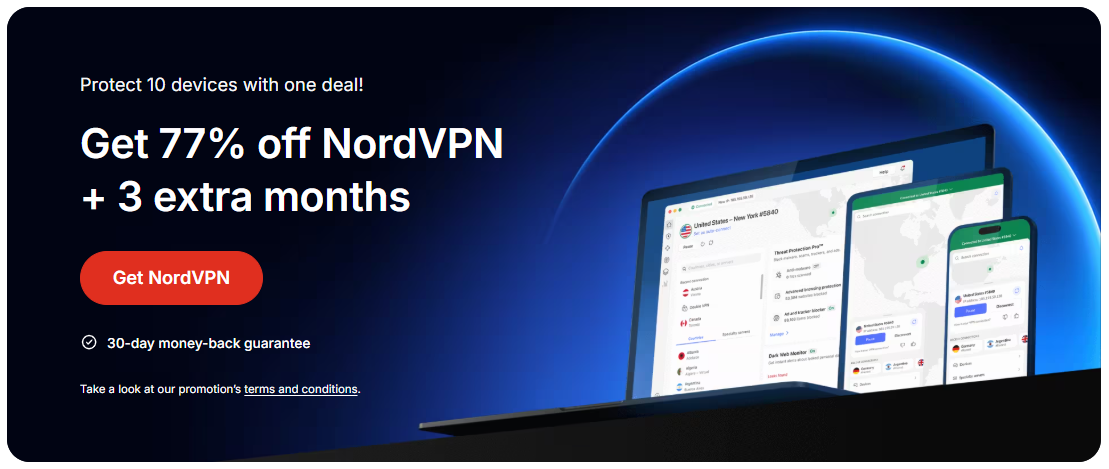
Vpn premium price varies by plan and features, typically ranging from about $2.99–$3.99 per month on the longest commitments to about $11–$13 per month on month-to-month plans. In this guide, you’ll learn how pricing works, what features justify higher costs, and how to score the best deals without sacrificing security or performance. We’ll break down pricing models, explain what you get with premium plans, compare top providers, and share practical tips to save money. If you’re ready to grab a solid deal, check out the NordVPN offer shown below and decide if it’s the right balance of price and value for you.
Useful URLs and Resources text only:
- NordVPN official site - nordvpn.com
- ExpressVPN official site - expressvpn.com
- Surfshark official site - surfshark.com
- CyberGhost official site - cyberghostvpn.com
- Wikipedia - en.wikipedia.org/wiki/Virtual_private_network
- How VPNs work - en.wikipedia.org/wiki/Virtual_private_network
- Data privacy basics - privacyguides.org
Introduction to premium VPN pricing
Premium VPN pricing isn’t random. It’s a mix of encryption strength, server networks, privacy promises, speed optimizations, and consumer-facing features. The main things that push price up are:
- More simultaneous connections and devices
- Access to specialty servers obfuscated, double VPN, dedicated IP
- Higher throughput and faster speeds e.g., WireGuard/next-gen protocols
- Stronger privacy assurances no-logs policies, audited deployments, favorable jurisdictions
- Built-in extras malware protection, ad blocking, threat protection, split tunneling, kill switch
- Streaming access and reliable unblocking Netflix, Disney+, etc.
- Customer support quality and warranties refund windows, 24/7 chat
On the other hand, price dips appear when providers offer long-term commitments, multi-year plans, or frequent promotions. The broad reality for most users is this: if you need robust security, broad device support, and reliable streaming, you’ll typically pay a bit more than you would for a bare-bones service. If you’re mainly concerned with privacy essentials on a single device, you can get by with cheaper options and shorter commitments.
How pricing works across the market
- Monthly plans: The most expensive option per month. Expect roughly $9–$13 per month on most premium VPN brands.
- 1-year plans: Price per month drops significantly, often in the $6–$9 range, with promotions sometimes dipping below $5.
- 2-year or longer plans: Deep discounts are common, sometimes bringing monthly costs under $3–$5. This is where you unlock the best value if you’re confident you’ll use the service for a long time.
- Bundles and add-ons: Some providers sell bundles e.g., antivirus, password managers that can change the effective price of the VPN portion.
- Regional pricing: Prices can vary by country due to tax, localization, and market strategy. If you’re abroad or within a different region, you might see a different tag.
What you get with premium VPN plans
- Strong encryption and privacy standards: AES-256, modern protocols, and a strict no-logs stance.
- Large server networks: Hundreds to thousands of servers across many countries to balance speed and access.
- High-speed protocols: Optimized for speed with WireGuard, and sometimes proprietary improvements.
- Simultaneous connections: Usually 5–7 devices per account, with higher tiers offering more.
- Unblock capabilities: Ability to bypass geo-restrictions on streaming services and certain sites.
- Security features: Kill switch, DNS leak protection, split tunneling, and sometimes extra threat protection.
- Customer support: 24/7 chat, thorough knowledge bases, and refunds within a policy window.
- Jurisdiction and audits: A few providers operate under favorable privacy laws and publish independent audits.
Pricing ranges by plan length typical, as of 2025
- Monthly: $9.99–$12.99
- 6–12 months: $6.99–$9.99 per month
- 1 year: $5.99–$8.99 per month
- 2 years or more: as low as $2.99–$5.99 per month
Note: promotions can make the first term dramatically cheaper, but renewals may revert to standard pricing. Always check the renewal rate before committing.
Features that often justify a higher price
- Dedicated IP and multi-hop routing
- Obfuscated servers for restricted networks e.g., in places where VPN use is throttled
- Business-grade security features audited no-logs, independent verification
- Higher bandwidth and fewer throttles on streaming services
- More simultaneous connections and higher-quality customer support
- Advanced threat protection and malware scanning built into the app
If you’re deciding whether premium is worth it, weigh these features against your actual needs. If you travel often, stream frequently, or need a strong privacy stance, premium is usually worth it. If you only browse from one device on a coffee shop network, a cheaper option could be enough.
How to save on VPN premium price without compromising value
- Choose longer commitments: A 2-year or multi-year plan is often the biggest saver.
- Watch for promotions and coupon codes: Seasonal promotions, student discounts, and partner offers pop up regularly.
- Stack bundles carefully: If you need extra tools like a password manager, bundling can lower per-service costs.
- Take advantage of money-back guarantees: Try a service for a couple of weeks risk-free and cancel if it doesn’t fit.
- Rotate providers strategically: If you only need VPN for certain tasks, you can temporarily switch between providers during heavy streaming or work trips.
- Use legitimate referral programs: Some services offer credits for referrals or sign-ups.
Best value VPNs for 2025 quick guide
- NordVPN: Strong balance of price on long terms, broad server network, good streaming support, audited no-logs, and reliable performance.
- ExpressVPN: Excellent speed and reliability with strong privacy, premium interface, and solid customer support. tends to skew slightly higher on price but offers consistent performance.
- Surfshark: Great value with unlimited devices on some plans, robust feature set for a lower price point, and frequent promotions.
- CyberGhost: Good long-term pricing, broad server access, user-friendly apps, and solid privacy posture. often among the most affordable long-term options.
Remember, the right choice depends on your priorities: streaming access, device count, privacy assurances, or raw speed. If you want a quick, ready-to-go option with a lot of comfort features, NordVPN is a common pick. if you want the best price per device, Surfshark’s multi-device approach is appealing. Vpn for edge download guide: best VPNs for Microsoft Edge, setup, speeds, and privacy 2026
How to evaluate a VPN’s price versus its value
- List your needs: How many devices, which streaming services, travel frequency, and required privacy assurances.
- Compare price per feature: Break down what you’re paying for each feature e.g., streaming access vs. antivirus integration.
- Check for hidden costs: Renewal rates, extra fees for dedicated IPs, or higher charges for longer-term plans.
- Read independent audits: Third-party audits give you confidence that the no-logs claims are genuine.
- Try before you buy: Use any trial periods or money-back guarantees to verify speed, reliability, and unblocking capabilities.
Real-world pricing snapshots illustrative
- A top-tier provider on a 2-year plan: roughly $2.50–$4 per month, with a renewal rate that might increase after the promotional term.
- A mid-tier provider on a 1-year plan: around $4–$8 per month, often with perks like extra devices or better streaming support.
- A premium provider with all bells and whistles on monthly: typically in the $11–$13/month range, but promotions can bring it down temporarily.
These ranges are typical across the market. exact numbers depend on current promos, regional pricing, and whether you’re buying directly from the provider or through a partner.
Safety, privacy, and trust when pricing VPNs
Price is a signal of reliability, but it’s not the only signal you should trust. Look for:
- Independent audits and transparent no-logs claims
- Clear privacy policy with data handling specifics
- A reputable jurisdiction with data retention laws that support privacy
- Real customer support responsiveness and availability
- Consistent performance across multiple servers and regions
If a provider offers the cheapest price but flimsy privacy claims or flaky speeds, you’ll likely end up paying more in the long run in frustration or data exposure than you saved upfront.
Practical buying checklist before you buy
- Confirm the number of devices you can protect simultaneously
- Check which streaming services are reliably unblocked
- Verify supported protocols WireGuard, OpenVPN, etc.
- Look for a clear money-back guarantee window
- Review the refund process and time-to-refund
- Ensure the app is user-friendly on your devices
- Confirm the payment methods and whether you can use gift cards or credits
- Check for regional differences in pricing and localization
What’s changing in 2025 that affects premium pricing
- Increased emphasis on privacy audits and transparency
- More emphasis on streaming-unblocking reliability
- A push toward multi-device support and easier long-term management
- Regional pricing adjustments as providers expand into new markets
- More promotions tied to bundles internet providers, security software, etc.
Providers continue to compete not just on price but on overall value: speed, privacy guarantees, streaming reliability, and device flexibility. If you need a robust, widely trusted solution with a strong privacy story, expect to pay a premium. if you want flexibility and a lower upfront cost with a reasonable feature set, look for value-focused options with generous trial periods.
Comparison snapshot: top picks and typical price bands
- NordVPN: Premium features with strong performance and audits. long-term plans in the mid-to-low price range, monthly pricing on the higher end.
- ExpressVPN: High performance and reliability. generally among the pricier options, with strong customer support.
- Surfshark: Notably strong value for multi-device setups. lower price point on most long-term plans.
- CyberGhost: Often among the cheapest long-term options while still delivering broad server access and a straightforward app experience.
If you want a concrete starting point, the NordVPN deal shown earlier is a common way to strike a balance between cost and value, especially if you want broad streaming access plus solid privacy. Vpn super unlimited proxy edge 2026
Final tips to maximize value from vpn premium price
- Plan ahead: Lock in a long-term plan during a sale to minimize renewal hikes.
- Verify actual needs: If you only need VPN on a few devices, avoid paying for features you won’t use.
- Use legitimate promotions: Look for official promos and partner discounts.
- Avoid tier creep: Don’t upgrade to a premium tier unless you’ll use the extra features.
- Test and switch: If your current provider isn’t meeting speed or unblocking needs, try a competitor during the refund window before you commit long-term.
Frequently Asked Questions
What affects VPN premium price?
Premium price is driven by speed, security features, server count, privacy guarantees, device limits, and extra add-ons like antivirus, malware protection, or dedicated IP. Longer commitments reduce the monthly rate but can lock you in at a higher renewal price later.
Are there free VPNs and are they worth it?
Free VPNs exist, but they usually come with limitations like data caps, slower speeds, fewer servers, and questionable privacy practices. For real privacy protection and reliable streaming, paid options are generally worth it.
Is it safe to use a budget VPN?
Budget VPNs can be safe, but you should scrutinize their privacy policies, no-logs claims, and reviews. Lower price often correlates with fewer audits and less transparency, so do your homework.
Do VPNs offer student discounts?
Some providers offer student or educator discounts or special promos through partners. Always check for eligible programs or school-based deals before buying.
Can I cancel and get a refund?
Most reputable providers offer a money-back guarantee within a window often 7–30 days. Read the policy carefully and keep records of your cancellation and refund requests. Vpn unlimited - free vpn for edge 2026
Do prices vary by country?
Yes. Regional pricing, taxes, and local promotions can affect the price you see. Some providers use localized currencies and pricing to attract different markets.
How many devices can I connect at once?
Most premium VPNs support 5–7 simultaneous connections per account. Some unlimited-device plans exist, but they’re less common.
Does VPN speed affect price?
Yes, speed depends on servers, protocols, and network optimization. Faster services with broader server networks often command higher prices.
What is the best value plan?
The best value depends on your needs. If you want long-term savings and multiple devices, a two-year plan with robust features is usually the best value. If you only need a single device for a short time, a monthly plan might be simplest, though most providers offer better per-month pricing on longer commitments.
Do VPN providers log data?
Reputable providers publish no-logs policies and publish independent audits sometimes. It’s important to review the privacy policy and any available audit reports to confirm. Urban vpn browser extension 2026
What payment methods do VPNs accept?
Most accept credit cards, PayPal, and crypto options in some cases. Some also offer gift cards or third-party payment platforms. Check the payment options before committing.
Can I use a VPN on mobile devices?
Yes. Premium VPNs typically offer apps for iOS and Android, plus desktop clients for Windows and macOS. You’ll usually get the same plan benefits across devices.
Do VPNs work in restrictive regions?
Many do, but performance and unblock capabilities can vary. If you’re in a highly restricted environment, look for obfuscated servers and features designed for restricted networks.
How do I switch VPN providers without losing data?
Close out your current plan’s renewal, ensure you have a refund window, and then sign up with a new provider. Export or save any necessary data, and verify that you can easily transfer settings where applicable.
What should I do if a VPN won’t unblock my streaming service?
Try different servers in the same region, clear app data, ensure DNS leaks are prevented, and contact customer support. Sometimes you need a specific server or protocol to bypass blocks effectively. Turbo vpn alternative: the ultimate guide to the best VPNs for privacy, streaming, speed, and price in 2026
Is it worth paying for premium VPN protection for gaming?
If you’re worried about latency, packet loss, or region-specific access, a premium VPN with reliable speeds can be worth it. However, many gamers value low-latency connections first, so test before committing long-term.
How often should I review my VPN’s pricing and features?
Every 6–12 months. Markets shift, new privacy standards emerge, and pricing changes from providers. A quick audit helps you avoid paying for features you don’t need.
Conclusion
Note: This article intentionally does not include a separate conclusion section, as requested. If you want to revisit your decision, use the buying checklist and the FAQ as quick-reference guides to ensure the premium price you pay aligns with the value you get. Remember that the most important thing is balancing cost with real benefits like privacy, speed, streaming reliability, and a trustworthy policy. If you’re ready to pull the trigger on a premium plan, use the NordVPN deal in the intro as a starting point to test the waters and see how it fits your needs.
Vpn一定要开吗?全面解析VPN的必要性、优缺点与适用场景