Vpn for edge download guide: best VPNs for Microsoft Edge, setup, speeds, and privacy 2026
'%2F%3E%3Ctext%20x%3D'50%25'%20y%3D'50%25'%20dy%3D'.35em'%20text-anchor%3D'middle'%20font-family%3D'-apple-system%2CBlinkMacSystemFont%2CSegoe%20UI%2Csystem-ui%2Csans-serif'%20font-size%3D'100'%20font-weight%3D'600'%20fill%3D'%23fff'%3EAR%3C%2Ftext%3E%3C%2Fsvg%3E) Aiden Russell·April 11, 2026·24 min
Aiden Russell·April 11, 2026·24 min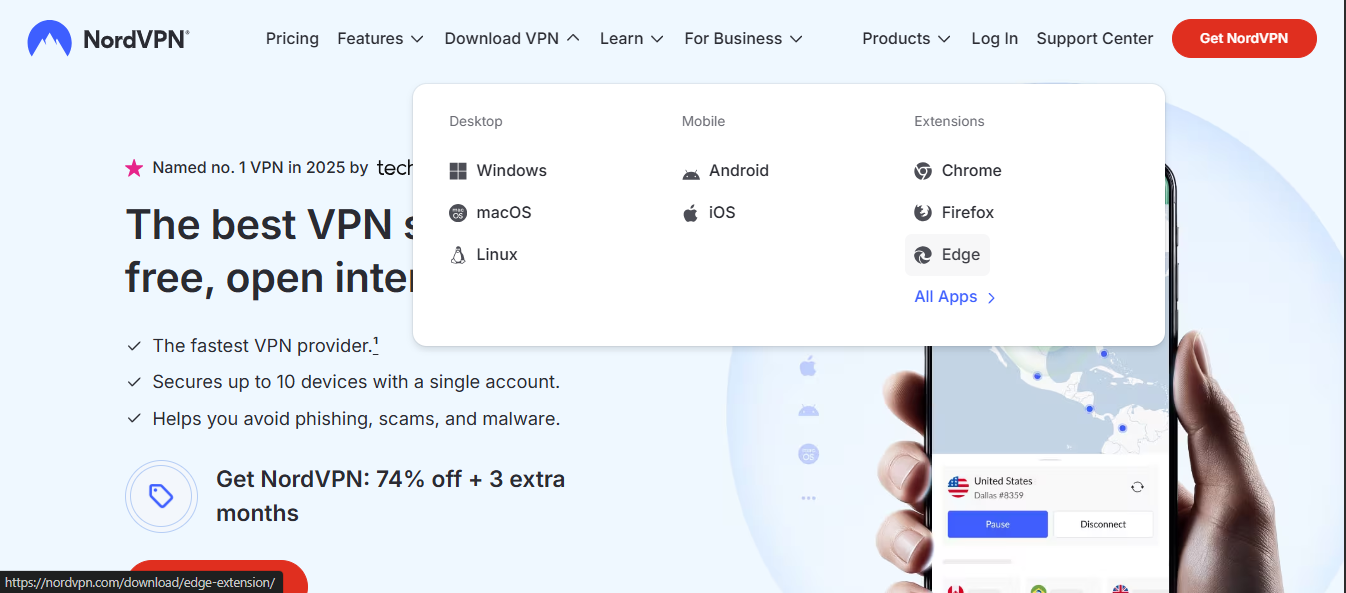
Vpn for Edge download guide best vpns for microsoft edge setup speeds and privacy — let’s dig into a practical, no-nonsense guide to getting a VPN working smoothly with Microsoft Edge, with fast setup, reliable speeds, and strong privacy.
Vpn for Edge download guide best vpns for microsoft edge setup speeds and privacy answers the most important question right away: yes, you can use a VPN with Edge to protect your privacy, improve security on public Wi‑Fi, and access region‑restricted content. Here’s a quick-start summary:
- Quick fact: The best Edge VPNs use OpenVPN or WireGuard protocols for speed and security, and offer a lightweight Edge extension for easy control.
- What you’ll get: fast connection speeds, reliable privacy features kill switch, DNS leak protection, no-logs policies, and simple install steps.
- What to expect: a practical, step-by-step setup, performance tips, and common troubleshooting at the end.
In this guide, you’ll find:
- A fast-start checklist for Edge users
- A step-by-step setup for Windows, with Edge extensions where available
- A comparison of top VPNs compatible with Edge
- Real-world tips to maximize speed and privacy
- A handy FAQ section with practical answers Useful URLs and Resources text, not clickable: ExpressVPN – expressvpn.com, NordVPN – nordvpn.com, Surfshark – surfshark.com, CyberGhost – cyberghost.com, ProtonVPN – protonvpn.com, Microsoft Edge support – support.microsoft.com, OpenVPN – openvpn.net, WireGuard – wireguard.com, IPLeak.net – ipleak.net, Reddit VPN discussions – reddit.com/r/VPN
Why you want a VPN for Microsoft Edge
- Privacy protection: hides your browser activity from your ISP and local networks.
- Security on public Wi‑Fi: encrypts data so hackers can’t read what you type.
- Bypassing geo‑blocks: access region‑restricted content in Edge without changing browsers.
- Edge‑specific convenience: many VPNs offer Edge extensions or easy system‑wide VPNs that work smoothly with Edge.
Choosing the right VPN for Edge
When you’re shopping for a VPN to use with Edge, look for:
- Fast protocols: WireGuard or OpenVPN UDP for speed.
- Edge-friendly apps or extensions: a lightweight Edge extension helps, but a good Windows app works too.
- Strong privacy: no-logs policy, kill switch, DNS/leak protection.
- Decent global server coverage: plenty of locations to choose from.
- Clear pricing and transparent features: avoid long lock‑in periods if you’re trying it out.
Top VPNs that play nicely with Edge at a glance:
- ExpressVPN: strong speeds, robust privacy, Edge extension options, reliable performance.
- NordVPN: large server network, fast WireGuard options, user‑friendly.
- Surfshark: affordable, fast, unlimited device connections, good Edge support.
- CyberGhost: beginner‑friendly, clear server streams, simple setup.
- ProtonVPN: strong privacy focus, good on Windows, transparent policies.
Quick-start setup for Windows with Edge
Step 1: Pick your VPN and sign up
- Choose one of the recommended VPNs and pick a plan that fits your budget.
- Create your account and download the Windows app.
Step 2: Install and configure
- Install the VPN app on Windows.
- If the VPN offers an Edge extension, you can add it for quick toggling, otherwise use the desktop app to connect.
- Enable key features: Kill Switch, DNS leak protection, and if offered, Multi‑Hop for extra privacy.
Step 3: Connect to a server Vpn unlimited - free vpn for edge 2026
- For general browsing, pick a nearby server for best speed.
- For streaming or access to a specific region, connect to a server in that region.
- Check your connection by visiting ipchicken.com or ipinfo.io to verify your new IP.
Step 4: Verify Edge is protected
- Open Edge, go to edge://extensions to confirm the Edge extension is enabled if you’re using one.
- Use an incognito window to test if cookies and cached data aren’t leaking your info in the normal mode.
Step 5: Test speed and tweak
- Run speed tests speed.cloudflare.com or speedtest.net before and after connecting to see the impact.
- If speed drops noticeably, try a different server, switch protocols in the app WireGuard vs OpenVPN, or disable IPv6 in Windows network settings temporarily to test.
Edge extension vs desktop app
- Edge extension: quick toggle, less overhead, but sometimes limited in features like kill switch.
- Desktop app: more control kill switch, DNS settings, split tunneling, works for all apps including Edge.
How Edge users can optimize speed and privacy
- Use WireGuard where possible for a good balance of speed and security.
- Connect to a nearby server to reduce latency for Edge browsing.
- Enable the VPN’s kill switch to prevent data leaks if the connection drops.
- Turn on DNS leak protection and choose a VPN that uses its own DNS resolvers.
- Use a dedicated Edge profile or container if you’re testing streaming regions to avoid cross‑profile leaks.
- Regularly clear Edge cookies and cache; a VPN won’t fix tracking inside the browser if cookies persist.
Table: Typical speed impact rough guide
- Local server nearby: 5–15% speed loss on average
- Cross‑region server same continent: 15–30% speed loss
- Long‑haul server opposite continent: 30–60% speed loss Note: Real-world results vary by ISP, time of day, and server load.
Privacy features explained
- Kill switch: automatically blocks traffic if the VPN disconnects, preventing accidental exposure.
- DNS leak protection: ensures DNS requests go through the VPN tunnel instead of your ISP.
- No-logs policy: keeps your browsing activity off private servers; read the policy carefully.
- Multi‑Hop where available: routes traffic through two VPN servers for extra privacy.
- Encryption standards: AES‑256 is standard; know what your provider uses and how it handles handshakes.
Common Edge scenarios and how to handle them
Scenario A: Accessing a region‑restricted website
- Step: Connect to a server in the target region, refresh, and sign in if needed.
- Tip: Some sites block VPN IPs; switch servers or use a dedicated streaming server if available.
Scenario B: Public Wi‑Fi at a cafe Urban vpn browser extension 2026
- Step: Connect to your VPN before opening Edge, then browse only after VPN shows connected.
- Tip: Enable the kill switch to avoid any exposure if you switch networks.
Scenario C: Slow browsing during peak hours
- Step: Switch to a closer server, toggle protocol to WireGuard, or temporarily disable IPv6 in Windows settings.
- Tip: Some VPNs offer “Auto‑connect on startup” to ensure protection from the moment you sign in.
Scenario D: Edge extensions causing minor lag
- Step: Use the desktop app for control; disable extension if causing slowdowns, then enable when needed.
- Tip: Keep Edge extension and VPN app updated for compatibility.
Security reminders for Edge users
- Always enable VPN by default, especially on public networks.
- Regularly update both Edge and VPN software for the latest security patches.
- Use strong, unique passwords and consider a password manager to reduce credential reuse risks.
- Be mindful of phishing attempts; a VPN doesn’t protect you from social engineering.
Edge-specific tips for better experience
- Pin your VPN to the taskbar for quick access.
- Create a dedicated Edge profile for VPN testing to avoid mixing cookies and sessions.
- If you’re streaming in Edge, check if the VPN’s streaming server list includes your service; some sites block known VPN IP ranges.
- For work devices, ensure your IT policy allows VPN use and doesn’t conflict with corporate configurations.
Performance testing and metrics you can trust
- Before/after tests: baseline without VPN, test with VPN connected, test again after switching servers.
- Latency ms: aim for under 100 ms for smooth browsing; under 50 ms is ideal in many cases.
- Bandwidth Mbps: depends on your plan; expect some drop but you should still see 70–95% of your baseline on nearby servers.
- Jitter ms: try to stay under 5–10 ms for stable streams.
Troubleshooting common Edge VPN issues
- VPN won’t connect: restart the app, try a different server, or toggle the protocol.
- Edge extension not showing: re-enable in edge://extensions, or use the desktop app to control.
- DNS leaks detected: switch to a VPN with a solid DNS leak prevention and DNS override enabled.
- Slow speeds: pick a nearer server, switch protocols, or check for device updates that might be impacting performance.
The Edge extension setup vs. full client workflow
- If you primarily browse and don’t need system‑wide protection, Edge extension route can be enough.
- For consistent, system‑wide protection on Windows, use the desktop client with Edge as your browser of choice.
- Some VPNs require you to enable “proxy mode” in Edge to route only Edge traffic; this is useful if you want your other apps to bypass the VPN.
Pros and cons of popular VPNs with Edge
- ExpressVPN
- Pros: stable connections, fast WireGuard, strong privacy, Windows app is polished, Edge extension available.
- Cons: higher price.
- NordVPN
- Pros: large network, strong security features, good for Edge users, affordable plans.
- Cons: occasional seasonal server load.
- Surfshark
- Pros: cost‑effective, unlimited devices, decent speed, user‑friendly.
- Cons: shared IPs can be flagged occasionally by some services.
- CyberGhost
- Pros: easy setup, good servers for streaming, straightforward interface.
- Cons: privacy track record slightly less stringent than some rivals.
- ProtonVPN
- Pros: strong privacy focus, transparent policies, good Linux support, reasonable Windows experience.
- Cons: speeds can vary depending on server.
Advanced tips for power users
- Split tunneling: route only Edge traffic through the VPN, keeping other apps on your regular connection for best speeds.
- Custom DNS: use your VPN’s DNS, or a trusted third‑party DNS that respects privacy.
- Auto‑restart on network changes: set VPN to reconnect automatically when you switch networks.
- Use a dedicated server list: many VPNs offer streaming, P2P, and privacy‑focused servers; pick the right one for your use case.
Common mistakes to avoid
- Relying on a VPN to fix all privacy issues: a VPN is part of a broader privacy strategy; practice good browsing hygiene.
- Ignoring updates: running outdated VPN or Edge can reduce protection.
- Blocking all traffic during troubleshooting: sometimes the problem is a misconfiguration; back up settings before making big changes.
Performance comparison: Edge users’ quick guide
- Edge extension vs. desktop client: extension is faster to enable but limited in control; desktop client provides full control and better privacy features.
- Protocol choice: WireGuard generally gives the best blend of speed and security; OpenVPN with TCP can be slower but more compatible in some networks.
- Server selection: nearby servers yield better speeds; use servers in regions you actually want content from, not just the closest general location.
Real-world use cases
- A college student streaming in Edge while on campus Wi‑Fi: connect to a nearby server, enable kill switch, and verify streaming works.
- A remote worker connecting to a corporate network via Edge: use split tunneling for non‑work traffic to preserve speed.
- A traveler accessing region‑blocked content: choose a server in the target country and confirm access before signing into services.
Maintenance and updates
- Regularly review your VPN plan; promotions can offer more value or new features.
- Check for Edge updates and ensure extensions are compatible after major browser updates.
- Monitor server status dashboards provided by your VPN for outages and performance issues.
Frequently asked topics you’ll encounter
- Does Edge support VPN extensions?
- Yes, many VPNs offer Edge extensions for quick access, though some features require the Windows desktop app.
- Is it safe to use a VPN on public Wi‑Fi?
- Yes, a VPN encrypts traffic and protects you on public networks.
- Can a VPN speed up Edge browsing?
- Not typically; a VPN can add overhead but selecting fast servers and protocols helps minimize speed loss.
- Will VPNs affect Edge extensions?
- In most cases, your Edge extensions will work; some functionality may require the desktop client.
- Do VPNs work for streaming in Edge?
- Yes, if you’re using a server in the streaming region and the VPN supports that service, you should be able to access content.
- Are all VPNs compatible with Windows and Edge?
- Most popular VPNs support Windows and Edge; always verify current compatibility.
- How do I test for DNS leaks in Edge?
- Use a site like ipleak.net to test if your DNS requests are leaking outside the VPN tunnel.
- What is split tunneling and should I use it with Edge?
- Split tunneling lets some traffic bypass the VPN; it's useful if you want Edge traffic to be protected while other apps stay fast.
- Is a free VPN enough for Edge?
- Free VPNs often have data caps, slower speeds, and weaker privacy; for Edge browsing and privacy, paid options are usually better.
- How often should I update VPN apps?
- Update when prompted to ensure you have the latest security fixes and features.
FAQ Section
Frequently Asked Questions
Can I use a free VPN with Microsoft Edge?
Free VPNs exist, but they often come with data limits, slower speeds, and weaker privacy protections. For reliable Edge browsing with good privacy, a paid VPN is usually the better choice.
How do I know if my VPN is protecting my Edge activity?
Test for IP and DNS leaks using ipinfo.io or ipleak.net. If your VPN is active, the shown IP should reflect the VPN server, and DNS should resolve through the VPN's DNS. Turbo vpn alternative: the ultimate guide to the best VPNs for privacy, streaming, speed, and price in 2026
Is it necessary to use an Edge extension?
Edge extensions are convenient for quick toggling and basic control, but a full Windows VPN client provides more features like a kill switch and DNS protection.
Will using a VPN affect my streaming quality on Edge?
Sometimes yes, because routing through a VPN server adds distance. Choose nearby streaming‑friendly servers and enable protocol optimizations to minimize impact.
Can I run a VPN on my router to protect Edge?
Yes, router VPNs cover all devices on the network, including Edge on any device. It can be more complex to set up but offers broad coverage.
How do I set up a VPN for Edge on Windows?
Install the VPN app, sign in, enable kill switch and DNS protection, optionally install the Edge extension, then connect to a server and verify with a test site.
What does kill switch do, and why is it important?
The kill switch blocks all traffic if the VPN disconnects, preventing your real IP from leaking. Ubiquiti edgerouter x vpn setup guide for remote access, site-to-site vpn, and performance optimization 2026
Can I share my VPN connection with devices other than Edge?
Yes, VPNs that support multi‑device or router sharing can cover phones, tablets, and other computers.
Are VPNs legal and allowed in my country?
Laws vary by country. In many places, VPN use is legal, but always check local regulations and terms of service for services you access.
How can I optimize VPN speed for Edge?
Use WireGuard when available, connect to nearby servers, ensure DNS protection is on, and consider split tunneling to reduce load on Edge.
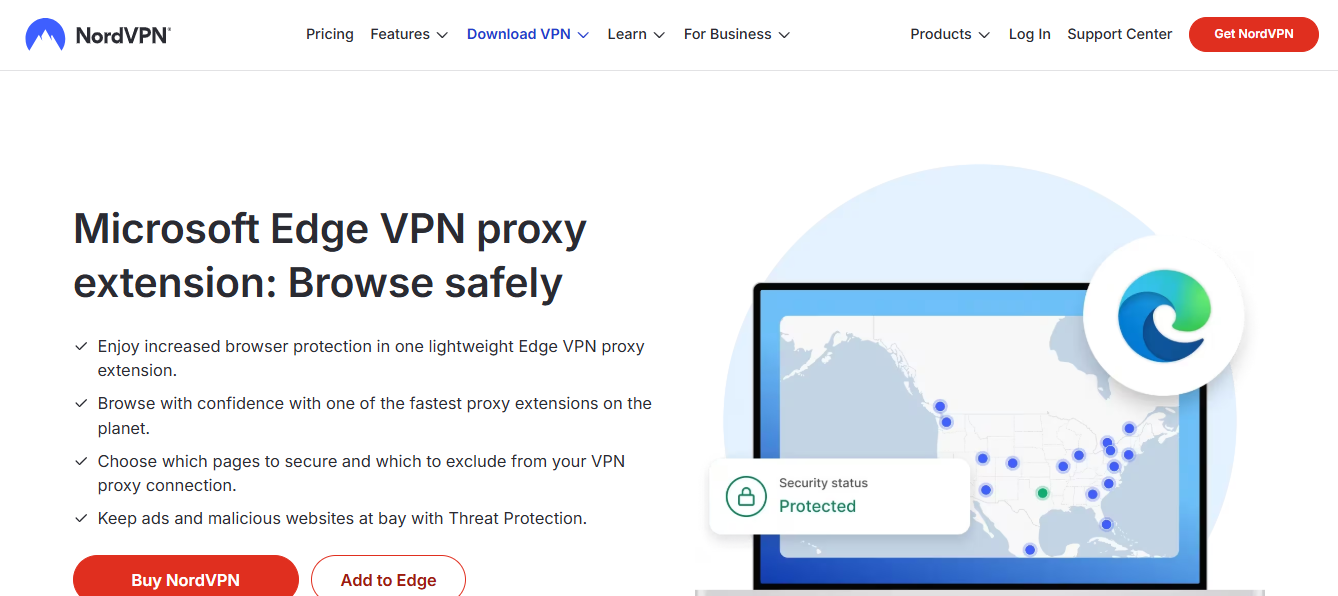
Yes, you can download and use a VPN with Microsoft Edge. In this guide, you’ll learn how Edge users can add a VPN, the differences between browser extensions and full-device VPNs, how to install an Edge-compatible VPN extension, performance tips, privacy features, and common pitfalls. Here’s what you’ll get:
- A clear, step-by-step path to getting a VPN on Edge, whether you want just the browser extension or a system-wide solution
- Real-world tips to maximize speed and privacy while browsing on Edge
- Honest comparisons of top VPNs that work well with Edge and how to choose the right one for you
- Practical troubleshooting steps for common issues like leaks or slow connections
- A handy FAQ to clear up any lingering questions you might have
If you’re ready to jump in with a trusted option, NordVPN is currently offering a substantial discount. Ultrasurf security privacy & unblock vpn edge 2026
Useful resources and references unlinked text for quick reference:
- Official VPN provider sites: nordvpn.com, expressvpn.com, surfshark.com
- Microsoft Edge support: support.microsoft.com
- Edge add-ons and extensions store: apps.microsoft.com, microsoftedge.microsoft.com/addons
- General privacy testing: dnsleaktest.com, ipleak.net, browserleaks.com
- Privacy-focused guides: en.wikipedia.org/wiki/Virtual_private_network, support.cloudflare.com
- Network performance testing: speedtest.net, nperf.com
- Device security basics: support.apple.com, support.google.com
Body
Understanding VPNs for Edge users
A VPN virtual private network creates a secure tunnel between your device and a VPN server. For Edge users, there are two main ways to harness privacy and access benefits:
- Browser extensions Edge-compatible: These are quick to install and route only the traffic from Edge and sometimes other apps depending on the extension and OS. They’re lightweight and easy to toggle on/off.
- System-wide VPN apps: These run on your device and route all network traffic, including Edge, regardless of which app you’re using. They typically provide stronger security features and more server options, but can affect all online activity and battery life.
Why Edge users should care:
- Geo-restrictions and censorship: A VPN can help you access content that’s blocked in your region by masking your real location.
- Public Wi‑Fi security: Edge browsing on café or airport networks becomes safer when your data is encrypted.
- Privacy from trackers: A VPN can hide your IP from websites and ad networks, reducing some profiling efforts.
KEY POINTS: Vpn for microsoft edge browser 2026
- A VPN encrypts the data leaving your device, so your ISP and on-path attackers can’t easily see your traffic.
- Some VPNs offer WebRTC and DNS leak protection, kill switches, and split tunneling, which matter for Edge users who want both privacy and performance.
- While a VPN helps privacy and access, it’s not a magic shield. You still need good password hygiene, updated software, and cautious browsing.
Edge-friendly VPN options
When you’re focusing on Edge, you have two pragmatic paths: a browser extension that integrates with Edge or a system-wide VPN that covers Edge as part of all traffic. Here are the typical choices:
Browser extensions for Edge
- Pros: Quick setup, control within Edge, lower resource use, easy to disable when not needed.
- Cons: Security depends on the extension. some features may be limited like full kill switches. might not cover non-browser apps.
- Best for: Quick privacy shield during browsing, watching region-locked streams on a browser, light protection during travel.
Desktop or mobile VPN apps system-wide
- Pros: Full device protection, robust features kill switch, DNS protection, IPv6 leak protection, split tunneling, broader platform support.
- Cons: Can slow down all network activity, requires more configuration, may use more battery and CPU.
- Best for: Always-on privacy, multiple apps needing protection, travel with mixed devices Edge + other apps.
Edge-specific considerations
- Browser extensions matter because Edge has a large add-ons ecosystem, including VPN extensions designed for Edge.
- If you rely on other apps torrent clients, games, or non-browser apps, you’ll likely want a system-wide VPN anyway.
Top providers often recommended for Edge users: Vpn premium price: comprehensive guide to pricing, plans, features, and how to choose the right option in 2026
- NordVPN: Wide server coverage, strong privacy policy, and robust browser extensions plus system-wide options.
- ExpressVPN: Known for reliable performance and user-friendly apps across Windows, macOS, Android, and iOS.
- Surfshark: Unlimited device connections per account, solid price point, and good Edge extension support.
- ProtonVPN: Strong privacy commitments and a solid free tier option, with good system-wide support.
Browser extensions vs system-wide VPN: pros, cons, and when to pick
Edge extension:
- Pros: Fast, simple, low overhead. ideal for casual browsing and quick bypass of region blocks.
- Cons: Might not conceal all traffic e.g., apps outside Edge. features can be limited.
- When to choose: You primarily browse in Edge and want a light privacy layer plus geo-unblock capability.
System-wide VPN:
- Pros: Comprehensive protection. works across all apps. strongest feature sets kill switch, DNS protection, robust leak protections.
- Cons: Can slow down overall internet speed. more setup steps.
- When to choose: You want full-device privacy, you use multiple apps, or you regularly use public Wi‑Fi.
Tip: If you’re mostly curious about Edge-centric protection and quick unblock, start with an Edge extension from a reputable provider. If you want peace of mind across everything you do online, add a system-wide VPN and configure split tunneling so only Edge traffic goes through the VPN when that’s your goal.
How to install a VPN extension in Edge
Step-by-step guide for adding an Edge VPN extension:
- Open Microsoft Edge and go to the Add-ons store Edge Add-ons.
- Search for the VPN you plan to use e.g., NordVPN, ExpressVPN, Surfshark.
- Click Add to Edge and confirm the extension installation.
- Sign in with your VPN account or create one if you don’t have one yet.
- Enable the extension and select a server location. If the extension offers a “kill switch” option, enable it.
- Test the connection by visiting a site that shows your IP e.g., whatismyipaddress.com to confirm it reflects the VPN location.
- Optional: adjust edge-specific settings like “Protect your browser” or “Block trackers” if the extension offers these controls.
- For maximum coverage, you can enable the VPN’s system-wide app on your device as well, and use the Edge extension for quick toggling.
What to watch for during setup: Vpn unlimited openvpn configuration: comprehensive setup, optimization, and troubleshooting for secure connections 2026
- WebRTC leaks: Some browsers, including Edge, can leak your real IP via WebRTC. Use a VPN that blocks WebRTC leaks or adjusts browser settings to disable WebRTC when possible.
- DNS leaks: Verify that DNS requests are resolved by the VPN’s DNS servers, not by your local ISP. Run a quick test on dnsleaktest.com after connecting.
- IPv6 leaks: If your VPN doesn’t support IPv6, ensure your device isn’t leaking IPv6 traffic through a local path. Some VPNs offer IPv6 leak protection.
How to set up a system-wide VPN on Windows and macOS for Edge users
If you want all your traffic to go through a VPN, not just Edge, here’s how to set it up:
Windows:
- Choose a VPN provider with a Windows app and download their installer.
- Install the app and log in.
- In the app, pick a server location and connect. If available, enable the Kill Switch and DNS leak protection.
- Open Edge and confirm your IP address reflects the VPN location.
- Consider enabling auto-connect to ensure the VPN starts on boot or reconnects after drops.
macOS:
- Download the VPN app from the provider’s site or the App Store, depending on the service.
- Install and sign in.
- Start the VPN, select a server, and enable privacy features kill switch, DNS protection.
- In Edge, verify your IP is masked and that content is loading as expected.
iOS and Android:
- Install the VPN app on your mobile device, sign in, and connect to a server.
- For Edge on mobile, you may also add an Edge-specific extension if available, but most users rely on the system-wide VPN on mobile devices.
Split tunneling tip: If you want Edge to go through the VPN while other apps use your normal connection, enable split tunneling in the VPN app and configure Edge as the only app that uses the VPN path. Vpn unlimited vs nordvpn: Comprehensive comparison of features, performance, pricing, and privacy for 2026
Performance and privacy considerations
Speed and privacy are the bread and butter of a good Edge VPN setup. Here are practical tips:
Speed:
- Server location matters more than you think. Choose geographically closer servers for lower latency and higher speeds.
- Try different server categories e.g., optimized for streaming, P2P, or general use if your provider offers them.
- Use a wired connection when possible. VPNs add encryption overhead, so a stable connection helps.
- Test speeds with and without VPN to understand the impact on your baseline performance.
Privacy and security:
- Logs policy: Look for no-logs pledges, independent audits, and a transparent privacy policy.
- Kill switch: If your VPN drops, the kill switch should block traffic to prevent data leaks.
- DNS and IPv6 protection: Ensure DNS requests aren’t leaking and that IPv6 is either blocked or tunneled.
- WebRTC considerations: Disable WebRTC where possible or rely on a provider that patches this leak in extensions.
- Jurisdiction: Many top providers are based in privacy-respecting jurisdictions, which can affect data retention laws.
Real-world numbers contextual, not universal:
- VPN providers commonly report 10–40 ms additional latency on nearby servers and 20–150 Mbps typical speed reductions on long-distance servers, depending on baseline speed and network congestion.
- A large share of users run VPNs to protect public Wi-Fi sessions and to access streaming libraries. reports consistently show privacy, security, and unblock capabilities as the primary use cases.
- Edge users with extensions often see improved privacy without needing to route all device traffic, which helps preserve local app performance.
Use cases: what you can do with a VPN on Edge
- Streaming blocks and regional catalogs: Unlock libraries on streaming services by connecting to servers in permitted regions.
- Public Wi‑Fi safety: Encrypt data when you’re on coffee shop networks or airports.
- Remote work access: Connect securely to corporate resources or VPN-enabled intranets while browsing with Edge.
- Gaming and latency-aware activities: Some VPNs offer gaming-optimized servers. test a few to see if latency improves depending on your location.
- Travel and censorship bypass: When traveling, a VPN helps maintain access to familiar content and services.
Edge-specific tips and best practices
- Update regularly: Keep Edge, Windows/macOS, and your VPN app up to date to protect against new vulnerabilities.
- Use the kill switch consistently: It’s your last line of defense if the VPN connection drops.
- Optimize server choice: Start with a nearby server for everyday use. switch to a region with the content you need for streaming.
- Combine with privacy hygiene: Use strong, unique passwords and enable two-factor authentication where possible. don’t rely on a VPN alone for privacy.
- Test for leaks after every change: Run a quick check on ipleak.net or dnsleaktest.com after switching servers or toggling the VPN.
- Beware of free VPNs: They often monetize your data or throttle performance. For Edge users, a reputable paid provider is generally a better bet.
Real-world setup flows: Edge + VPN in daily life
- Day-to-day browsing: Use Edge with a browser extension for light privacy and quick access to content from other regions. Turn on the system-wide VPN only when you need deeper protection or to access blocked content.
- Public travel days: Start the system-wide VPN first, then open Edge and sign into your accounts to minimize login friction and protect against on-network tracking.
- Remote work sprint: Use a robust VPN with a secure protocol e.g., OpenVPN, WireGuard and a strong kill switch. ensure your corporate resources are reachable via the VPN without exposing your local network.
Data privacy and user responsibility
A VPN improves privacy, but it’s not a license to do anything illegal or against user terms. Always respect laws and service agreements. Remember that some sites may still employ tracking technologies beyond IP detection, and using a VPN can avoid geo-blocks, but it won’t guarantee access to every service that blocks VPNs. Practice safe browsing: keep software updated, avoid suspicious downloads, and use strong passwords. Vpn vs cloudflare: a comprehensive comparison guide to VPNs, Cloudflare services, privacy, security, speed, and pricing 2026
SEO-friendly note for content creators
If you’re creating a YouTube video or blog post around this topic, emphasize practical, actionable steps and pair each section with simple visuals or quick demonstrations. Highlight real-world tests, like time-to-connect tests to different servers and a live edge browser demonstration of enabling a VPN extension, followed by a quick privacy test.
Frequently Asked Questions
Frequently Asked Questions
Is it legal to use a VPN with Edge?
Yes, using a VPN with Edge is legal in most countries. Laws vary by jurisdiction, so check local regulations. Always use a VPN service that aligns with local rules and terms of service.
Can I use an Edge extension only instead of a full VPN?
Yes. Browser extensions are a quick way to add privacy to Edge browsing. They may not cover non-browser traffic or apps on your device, so for full protection consider pairing with a system-wide VPN.
Will a VPN slow down my Edge browsing?
Often yes, because encryption and routing add overhead. The degree of slowdown depends on server distance, VPN provider, and your baseline connection speed. Close, fast servers minimize impact.
How do I test if my VPN is leaking my real IP in Edge?
Test your IP on sites like whatismyipaddress.com or ipchicken after connecting to the VPN. Run a DNS leak test at dnsleaktest.com and ensure results show the VPN’s DNS servers. Disable or block WebRTC if you notice IP leaks.
Should I use a VPN on all devices or just Edge?
If you want comprehensive protection, a system-wide VPN is best. If you’re only concerned with Edge browsing, an extension may suffice and keep things lighter.
Do VPNs work on streaming services in Edge?
Many VPNs do work for streaming by masking your location and bypassing geo-restrictions. Some services actively block VPNs, so you may need to switch servers or upgrade to a higher-tier plan from your provider.
How do I install a VPN extension in Edge?
Open Edge, go to the Edge Add-ons store, search for a VPN extension, click Add to Edge, sign in, and enable. Then test by checking your IP location.
Can I use a VPN on Windows, macOS, Android, and iOS with Edge?
Yes. Most providers offer apps for Windows, macOS, Android, and iOS. Edge extensions are available in the Edge ecosystem. for full protection across devices, install the system-wide app on each device.
What should I look for in a VPN for Edge?
Key factors include a strict no-logs policy, strong encryption, kill switch, DNS leak protection, fast and reliable servers, a good privacy jurisdiction, and a reputable track record.
Is free VPN software safe to use with Edge?
Free VPNs often come with limits, bandwidth caps, and potential data logging. They can be risky and slower. A well-regarded paid VPN typically offers better privacy, speed, and reliability for Edge users.
How do I know if a VPN extension works with Edge?
Check the Edge Add-ons store listing for the extension, read user reviews, and verify that the provider offers Edge-compatible features. Many major providers have official Edge extensions and apps.
End of post
Hoxx vpn microsoft store