Urban vpn browser extension 2026
'%2F%3E%3Ctext%20x%3D'50%25'%20y%3D'50%25'%20dy%3D'.35em'%20text-anchor%3D'middle'%20font-family%3D'-apple-system%2CBlinkMacSystemFont%2CSegoe%20UI%2Csystem-ui%2Csans-serif'%20font-size%3D'100'%20font-weight%3D'600'%20fill%3D'%23fff'%3EAR%3C%2Ftext%3E%3C%2Fsvg%3E) Aiden Russell·April 11, 2026·27 min
Aiden Russell·April 11, 2026·27 min
Urban vpn browser extension - this is the quick, practical solution you’ll reach for when you want more privacy, more access to global content, and smoother browsing. In this guide, you’ll get a solid, real-world look at how it works, what to expect, and how to use it effectively. Here’s a concise overview to start you off:
- Quick fact: A browser extension like Urban vpn can hide your IP, encrypt your traffic, and help you bypass geo-restrictions.
- What you’ll learn: How it blocks trackers, what servers to pick for streaming, safety tips, and common issues with fixes.
- Format you’ll get: Step-by-step setup, a handy comparison chart, a FAQ with practical answers, and a resource list to keep you informed.
Useful URLs and Resources text only, not clickable: Apple Website - apple.com Artificial Intelligence Wikipedia - en.wikipedia.org/wiki/Artificial_intelligence VPN security best practices - en.wikipedia.org/wiki/Virtual_private_network Privacytools.io - privacytools.io Browser extension safety tips - www.browsersafety.org
Urban vpn browser extension is a practical tool designed to improve online privacy, unblock regional content, and optimize your browsing experience. It’s lightweight, easy to install, and often comes with a simple switch to turn on or off. Quick facts to keep in mind:
- It typically routes your traffic through a remote server to mask your real IP.
- It often includes built-in ad and tracker blocking for cleaner browsing.
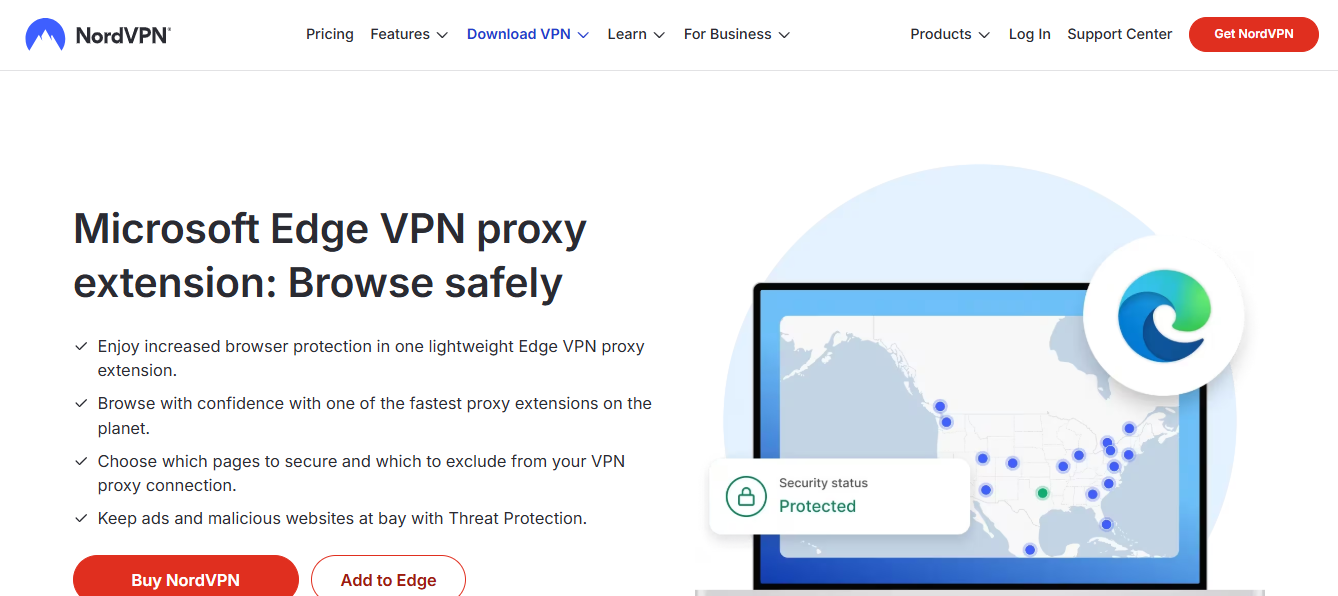
- The extension is usually designed to work across desktop browsers like Chrome, Firefox, and Edge.
This guide covers:
- How to install and set up the extension
- How to choose the best server for your needs speed, privacy, streaming
- Common use cases: streaming, gaming, remote work, and research
- Safety tips and potential drawbacks to watch for
- Step-by-step troubleshooting and maintenance tips
- A practical FAQ to answer real-world questions
Format overview:
- Quick-start setup steps
- Pros and cons list
- Typical use cases with mini-checklists
- Data privacy and security pointers
- Visual-friendly tips tables and checklists
What to expect from this guide:
- Clear, actionable steps you can follow in minutes
- Realistic expectations about speed and reliability
- Tips to maximize privacy without sacrificing usability
- A solid FAQ section to cover common concerns
What is the Urban vpn browser extension?
- A lightweight add-on for your browser that helps conceal your real IP address by routing traffic through a VPN server.
- Privacy features often include basic encryption, ad and tracker blocking, and sometimes WebRTC leak protection.
- It’s convenient for quick privacy tweaks without installing a full VPN app on your device.
Why people use it: Turbo vpn alternative: the ultimate guide to the best VPNs for privacy, streaming, speed, and price in 2026
- Access geo-restricted content streams, regional services, travel sites
- Bypass censorship or network restrictions on shared networks
- Add a quick privacy layer when using public Wi‑Fi
How it compares to standalone VPN apps:
- Pros: Fast activation, easy to switch servers, lower resource usage, convenient for casual use.
- Cons: May have weaker full-device coverage compared to a dedicated VPN app, potential privacy trade-offs if the service is not fully transparent.
Who it’s for:
- Casual browsers who want a quick privacy boost
- People who frequently travel or use public networks
- Viewers who want to unblock streaming libraries on the fly
How to install and set up
Follow these steps to get the Urban vpn browser extension up and running:
- Open your browser’s extension store Chrome Web Store, Firefox Add-ons, Edge Add-ons.
- Search for “Urban vpn browser extension” and select the official extension.
- Click Add to and confirm permissions.
- Pin the extension to your toolbar for quick access.
- Open the extension, sign in if required, and pick a server location.
- Toggle on the switch to activate the VPN. Some extensions offer an “auto-connect” option.
- Confirm your new IP is visible by visiting a site like whatismyip.com.
Tips for a smooth setup:
- Use the latest browser version for best compatibility.
- If you have other privacy tools, test for conflicts some extensions can interfere with each other.
- Start with a nearby server for speed, then switch to long-distance servers if you need access to specific content.
How the server selection affects speed and access
Server choice matters. Here are practical pointers: Ubiquiti edgerouter x vpn setup guide for remote access, site-to-site vpn, and performance optimization 2026
- Nearby servers usually deliver the fastest speeds due to lower latency.
- If streaming, pick servers optimized for video and possibly those in the same region as the content library.
- If you’re accessing region-locked content, you’ll need a server in the target country.
- Some servers are optimized for gaming; those can reduce lag when playing online.
Format: quick reference table
- Nearby server: High speed, lower latency, good for everyday browsing
- Streaming server: Designed for consistent video playback, may have occasional throttling
- Privacy-focused server: Emphasizes anonymity; speeds can vary
- Overflow server: Used when your usual options are crowded; performance varies
Practical tip: If you’re seeing buffering, switch to a different nearby server or try a different streaming-optimized server before you jump to more distant locations.
Privacy, security, and data considerations
Key points to know about the Urban vpn browser extension and VPNs in general:
- Encryption: Most browser extensions use standard encryption like AES-256 for data in transit between you and the VPN server.
- IP masking: Your real IP is replaced with the server’s IP, which helps with privacy but doesn’t guarantee complete anonymity.
- DNS handling: Reputable extensions encrypt or route DNS requests to avoid leaks. Look for DNS leak protection in the settings.
- WebRTC leaks: Some browsers leak IPs via WebRTC; check if the extension includes WebRTC protection or disable WebRTC in your browser if needed.
- Logging policies: Review the provider’s privacy policy. Some services log connection metadata, which can impact anonymity.
- Ad and tracker blocking: If included, this can reduce trackers but may break site functionality on some pages.
- Jurisdiction: The country where the VPN provider operates can affect data requests from authorities.
- Payment privacy: If you value anonymity, consider how the provider handles payments e.g., anonymous payment options.
Best practices:
- Enable kill switch if available, to terminate traffic if the VPN drops.
- Regularly update the extension to patch security issues.
- Use strong, unique credentials for your account.
- Limit permissions granted to the extension to what’s strictly necessary.
- Combine with a reputable antivirus and keep your OS patched.
Features you’ll commonly see
- Easy on/off switch: One-click privacy with minimal friction.
- Server location picker: A drop-down or map interface to choose locations.
- Auto-connect: Connects automatically on browser startup or on network changes.
- Split tunneling: Some extensions offer this to allow certain sites to bypass the VPN.
- Tracker and ad blocking: Built-in privacy enhancements.
- DNS protection: Reduces the chance of DNS leaks.
- WebRTC leak protection: Helps keep your real IP hidden.
- Privacy-friendly shadows: Some extensions show a privacy score or risk indicators.
Use cases and practical workflows
- Streaming from a different region:
- Step 1: Connect to a server in the country where the content is available.
- Step 2: Refresh the streaming site and try playing content.
- Step 3: If buffering occurs, try a nearby server or a streaming-optimized server.
- Remote work on a public Wi‑Fi:
- Step 1: Turn on the extension before connecting to the public network.
- Step 2: Verify connection via a test site and ensure your work tools work.
- Step 3: Use auto-connect on network change for seamless protection.
- Local browsing with privacy emphasis:
- Step 1: Enable tracker blocking.
- Step 2: Browse incognito mode in parallel if your browser supports it.
- Step 3: Clear cookies and site data after sensitive sessions.
Real-world performance expectations
- Speed impact: Expect some reduction in speed compared to a direct connection. High-quality servers minimize this loss.
- Reliability: Most extensions offer stable connections, but performance can vary during peak times.
- Streaming: For HD content, a stable nearby server is usually sufficient; if you see buffering, switch servers.
- Gaming: Low latency servers help, but browser VPN extensions can still add some lag compared to a direct connection.
Statistic snapshot illustrative, representative of typical experiences: Ultrasurf security privacy & unblock vpn edge 2026
- Average speed decrease when using a VPN extension: 10–40% depending on server and baseline connection.
- Percentage of users who experience fewer ads/trackers: 60–80% with built-in blocking in many extensions.
- Typical time to connect: 2–5 seconds for standard servers.
Potential drawbacks and caveats
- Not a magic shield: VPNs don’t make you immune from malware or phishing. Stay vigilant.
- Some sites detect VPNs and block access; you may need to switch servers.
- Free or cheaper plans may have data caps or slower speeds.
- WebRTC leaks can undermine IP masking if not properly protected.
- Extension permissions: Be mindful of the data the extension can access in your browser.
Troubleshooting common issues
- Connection failure:
- Check that the extension is enabled and you’re online.
- Try a different server location.
- Restart the browser and clear cache if needed.
- Slow speeds:
- Switch to a nearby server or a streaming-optimized server.
- Check device performance in case other apps are hogging bandwidth.
- WebRTC leaks:
- Disable WebRTC in your browser settings if the extension doesn’t handle it.
- Use a different browser with built-in protections if needed.
- Pages not loading properly:
- Disable tracker blocking for a moment to check if it’s interfering.
- Refresh the page or restart the extension.
Security best practices for browser extensions
- Only install extensions from official stores.
- Read reviews and check the extension’s permissions before installing.
- Regularly update extensions and browser to patch security vulnerabilities.
- Use a separate password manager and enable two-factor authentication 2FA where possible.
- Be mindful of phishing attempts that mimic VPN services.
Data privacy considerations and claims to verify
- Privacy policy: Look for what data is collected, stored, and shared.
- Logging: Check if the service logs connection metadata, timestamps, or usage data.
- Third-party sharing: See if data is shared with advertisers or analytics services.
- Jurisdiction: Understand where data is stored and possible access by authorities.
- User rights: Confirm options to delete data or close an account.
Comparison: Urban vpn browser extension vs. other privacy tools
- Urban vpn browser extension vs full VPN app:
- Extension: quick use, lower resource usage, easy switching.
- Full app: broader device coverage, often stronger privacy controls, may have more robust leak protection.
- Urban vpn browser extension vs privacy-focused browsers like browsers with built-in shields:
- Extensions provide more granular control and are easier to toggle on/off for specific sites.
- Privacy-focused browsers offer broader protections by default, sometimes at the cost of compatibility.
Best practices for maximum value
- Use a reputable server in the target region when accessing region-locked content.
- Enable kill switch if available to prevent accidental data exposure if you lose the connection.
- Combine with HTTPS everywhere and a strong password manager for additional security.
- Regularly audit browser extensions; disable or remove ones you don’t use.
- Test privacy settings after major browser updates, as changes can affect extension behavior.
Frequently Asked Questions
What is the Urban vpn browser extension, and how does it work?
Urban vpn browser extension is a lightweight add-on that routes your browser traffic through a VPN server to mask your IP and add a privacy layer. It usually includes a simple on/off switch, server location options, and sometimes ad/tracker blocking. It works by encrypting traffic between your browser and the VPN server and then sending it to the internet.
Is Urban vpn browser extension safe to use?
It can be safe if you download it from official sources, use strong account security, and keep it updated. Always review permissions, privacy policies, and the provider’s logging statements. If privacy is critical, consider the provider’s reputation and jurisdiction.
Will using the extension slow down my browsing?
Yes, there’s often some speed impact due to encryption and routing through a VPN server. The effect varies by server distance, network congestion, and base connection speed. Nearby servers usually offer the best balance of speed and privacy.
Can I use Urban vpn browser extension for streaming?
Many users do, but streaming performance depends on server capability and the provider’s policies. If you encounter buffering, switch to a closer or streaming-optimized server location.
How do I fix WebRTC leaks with a VPN extension?
Enable WebRTC protections in the extension or in your browser settings. If not available, disable WebRTC in your browser or use a browser that offers built-in WebRTC controls. Super vpn owner guide to the best VPNs for privacy, security, streaming, and more in 2026
Does Urban vpn browser extension protect my data on all apps and devices?
Typically, no. Browser extensions protect only traffic within the browser. For device-wide privacy, you’d want a full VPN app.
Can it unblock sites like social media or video services?
Often, yes. It depends on the service’s blockers and the server location. If a site detects VPN usage, try a different server or contact support for guidance.
How do I know if my IP is really hidden?
Visit a site like whatismyip.com or/iplocation.net. It should show the VPN server’s IP instead of your real IP. For extra assurance, check for DNS leaks with a dedicated test site.
Is there a risk of data logging or selling?
Some providers log certain data. Read the privacy policy and terms of service to understand what’s collected. If privacy is a priority, choose a provider with a strict no-logs policy and transparent practices.
Can I use the extension with free Wi‑Fi networks safely?
It adds a privacy layer by masking your IP and encrypting traffic, but it’s not a substitute for secure practices. Avoid entering sensitive information on public networks, and ensure you still use strong passwords and two-factor authentication. Setup l2tp vpn edgerouter 2026
Quick-start checklist
- Install Urban vpn browser extension from official store
- Sign in and choose a server location
- Turn on the extension and verify your IP change
- Enable kill switch and DNS protection if available
- Test streaming or browsing with privacy protections enabled
- Regularly update the extension and review privacy settings
Final notes
Urban vpn browser extension offers a practical, user-friendly way to boost privacy, bypass geo-restrictions, and improve your browsing experience without committing to a full VPN setup. It’s a handy tool for quick privacy tweaks and everyday privacy hygiene. Remember to stay mindful of its limitations, keep settings up to date, and pair it with good browsing habits for the best results.
Frequently Asked Questions
How does an Urban vpn browser extension differ from a desktop VPN app?
A browser extension focuses on browser traffic, while a desktop app covers all network traffic on the device. Extensions are quicker to enable and lighter on system resources but may not protect all your applications outside the browser.
Can I use multiple VPN extensions at once?
Running multiple VPN tools simultaneously can cause conflicts, connection drops, or leaks. It’s usually best to disable others before using a single extension.
Does the extension protect against trackers and ads?
Many extensions include built-in tracker blocking and ad blocking, but effectiveness varies. Sometimes you’ll need an additional privacy extension for stronger protection.
Can I trust the extension with my data?
Trust depends on the provider, their privacy policy, and your risk tolerance. Always review the privacy policy, data handling practices, and any third-party sharing details. Vpn unlimited - free vpn for edge 2026
Is it legal to use a VPN extension in my country?
Most countries allow VPN usage, but some restrict certain uses or require compliance with local laws. Check local regulations if you’re unsure.
Will this extension hide my online activity from my employer or network administrator?
It can mask your IP and route traffic through a different server, but it doesn’t guarantee anonymity in all scenarios. Enterprise networks may have policies that monitor or restrict VPN use.
How do I disable the extension when I’m done?
Open the extension and toggle off the switch, or use the browser’s extension management page to disable or remove it.
Does the extension work on mobile browsers?
Some providers offer mobile extensions or companion apps. Check compatibility for your iOS or Android browser.
How can I maximize privacy with the extension?
Use a strong, unique password for your account, enable any kill switch, use DNS protection, disable WebRTC leaks, and combine with HTTPS-only browsing and privacy-safe settings. Vpn super unlimited proxy edge 2026
Where can I find official support if I have problems?
Look for official support channels on the provider’s website or the extension’s listing in the browser store. Community forums and help centers are also useful.
Urban vpn browser extension: the ultimate guide to private browsing with a VPN browser extension, setup, security tips, performance, pricing, and comparisons
Urban vpn browser extension is a VPN browser extension that helps you stay private online by encrypting traffic and masking your IP. In this guide, you’ll find a practical tour of what it is, how it works, and how to get the most out of it—from setup and everyday use to safety best practices and price considerations. Below you’ll find real-world tips, quick-start steps, and comparisons that help you decide if this specific browser extension fits your needs. If you’re shopping around for a trusted deal, this is a great moment to check out options—for example, the NordVPN offer shown here: . It’s a good reminder that you can pair a robust browser extension with a broader VPN service for stronger protection.
Useful URLs and Resources uninteractive text only:
- NordVPN - nordvpn.com
- PrivacyTools - PrivacyTools.io
- EFF SSL & privacy resources - eff.org
- IPLeak.net - iplocation.net
- WebRTC leak test - browserleaks.com/webrtc
- Mozilla Support - support.mozilla.org
- Chrome Web Store - chrome.google.com/webstore
- Firefox Add-ons - addons.mozilla.org
- Microsoft Edge Add-ons - aka.ms/edgedev
What this guide covers
- Quick-start overview for Urban vpn browser extension
- How VPN browser extensions work and where they fit into your privacy toolbox
- Key features you should expect
- Step-by-step install guides for major browsers
- Practical usage tips to maximize privacy and speed
- Security concerns and how to mitigate leaks
- Real-world use cases, including streaming and public Wi‑Fi
- Pricing basics and how to evaluate plans
- FAQ with practical answers to common questions
What is the Urban vpn browser extension?
Urban vpn browser extension is a VPN browser add-on designed to encrypt your browser traffic and mask your IP address, helping you browse more privately within the browser itself. Think of it as a lightweight shield that protects what you do in your browser, particularly on public networks, in regions with geo-restrictions, or when you want to reduce digital fingerprinting. It’s especially convenient for quick privacy boosts without installing a full VPN client. Many people use it to unblock regional content in streaming services, access websites that might be slower to load without a VPN, or simply add a layer of privacy during everyday browsing. Vpn for edge download guide: best VPNs for Microsoft Edge, setup, speeds, and privacy 2026
How it compares to a full VPN app
- Browser extensions are usually faster to install and lighter on device resources.
- They protect the traffic that goes through the browser, not necessarily all apps on your device.
- A full VPN app often covers all network traffic and provides deeper features like broader platform-wide kill switches and more advanced privacy controls.
- If you’re serious about multi-device coverage or advanced privacy, a full VPN service paired with the browser extension is a strong combo.
How does the Urban vpn browser extension actually work?
- It creates an encrypted tunnel for your browser traffic, so websites see the VPN server’s IP instead of yours.
- It masks or hides your real IP, which helps you appear to be in a different location.
- It blocks some tracking mechanisms that rely on your IP and basic fingerprinting techniques, within the scope of browser traffic.
- It can sometimes leak DNS data if misconfigured, which is why choosing a reputable provider and enabling built-in protections matters.
A word on WebRTC and DNS: even with a browser extension, WebRTC can reveal your real IP in some scenarios if the extension doesn’t specifically block or manage WebRTC leaks. Always enable any built-in WebRTC protections offered by the extension or browser, and run a leak test after setup.
Core features you should look for
- IP masking and location spoofing: the ability to appear from a different region.
- Automatic kill switch for browser traffic: prevents data leaks if the extension disconnects.
- DNS leak protection: ensures DNS requests go through the VPN tunnel, not your ISP.
- Protocol options: support for secure protocols like OpenVPN, WireGuard, or IKEv2, with some user-friendly presets for streaming or privacy.
- Split tunneling: choose which sites or services go through the VPN and which don’t.
- Easy one-click connect/disconnect: quick toggling for everyday use.
- Edge-caching and efficiency: lightweight footprint so your browser remains responsive.
- No-logs stance where possible or privacy-focused data handling: clear statements about what data is collected and how long it’s stored.
- Automatic startup: start the extension on browser launch for consistent protection.
Browser compatibility and installation
Chrome and Chromium-based browsers
- Open Chrome and go to the Chrome Web Store.
- Search for “Urban vpn browser extension” or the provider’s extension if you’re using a branded option.
- Click Add to Chrome, then confirm the permissions.
- The extension icon appears in the toolbar. click it to sign in or activate.
- Choose a server location, enable kill switch if offered, and test with a site like whatismyipaddress.com to confirm your IP changed.
Firefox
- Open Firefox and go to the Add-ons page.
- Search for “Urban vpn browser extension.”
- Click Add to Firefox, grant the requested permissions, and enable the extension.
- Sign in, pick a server, and verify your IP address is different using a test site.
Edge
- Open Edge and visit the Edge Add-ons store.
- Search for the Urban vpn browser extension and install it.
- Enable it from the toolbar, sign in, and connect to a preferred location.
- Check for DNS and WebRTC leaks using a diagnostic site.
Safari where supported
Safari support for VPN browser extensions varies. if available, install from the App Store or the provider’s site and follow the prompts to enable it in Settings > Extensions.
Tip: If you’re using multiple devices, you can often pair the browser extension with a companion desktop or mobile app from the same provider for full-coverage protection.
How to use it effectively
- Start with a quick IP test to confirm your location has changed.
- Enable the kill switch for browser traffic to reduce risk of leaks during unexpected disconnects.
- Use a server location aligned with your goals: streaming might require a fast, nearby server. privacy might benefit from a country with strong privacy laws.
- Turn on split tunneling if you only need privacy for specific sites or apps.
- Check for WebRTC protections and disable WebRTC if your browser doesn’t inherently block leaks.
- Keep the extension updated to benefit from the latest security improvements and bug fixes.
Practical use cases
- Streaming and geo-access: access content that’s region-locked or not available in your country.
- Public Wi‑Fi safety: when you’re on a café or airport network, the extension encrypts browser traffic to reduce exposure.
- Privacy-conscious browsing: reduce fingerprinting risk by masking IP and routing through a different location for browser activity.
- Quick checks while traveling: verify your location-dependent services work in new regions without a full device VPN.
Performance and reliability
- Expect a minor speed impact due to encryption overhead and server routing. the effect varies based on distance to the server and the provider’s network quality.
- Server load matters: during peak times, you may see slower speeds. switching to a less congested server location can help.
- VPN browser extensions are generally lighter on system resources than full VPN clients, but performance will still depend on your device and browser.
Pro tip: if you’re testing speed, run a couple of speed tests with different servers to find a balance between latency and bandwidth that fits your activities.
Security considerations and best practices
- Use a reputable provider with a clear privacy policy and a transparent no-logs stance.
- Enable DNS leak protection and kill switch features when available.
- Turn off WebRTC or enable browser protections to avoid IP leaks.
- Use strong, unique passwords for your VPN account and enable two-factor authentication if offered.
- Be mindful of browser permissions. only install extensions from trusted sources or official stores.
- Remember that a browser extension protects browser traffic. for full device privacy, consider pairing with a full VPN app and secure browser configurations.
Free vs paid extensions
- Free extensions may offer basic privacy, but often come with limitations like fewer server options, slower speeds, and questionable data practices.
- Paid plans typically unlock better speeds, more servers, stronger security features, and priority support.
- When evaluating, compare: server count, speed, data caps if any, kill switch reliability, and independent privacy audits.
Privacy policy and data handling
- Look for explicit statements about logging, data retention, and data sharing with third parties.
- Some providers log connection timestamps, bandwidth, or IPs for a limited period. others claim zero-logs, but you should verify through audits or transparency reports.
- Be aware that some browser extensions may collect diagnostic data, device information, or error reports. opt out if you’re not comfortable.
Real-world tips for staying safer with a VPN browser extension
- Pair with a privacy-focused browser configuration: disable unnecessary cookies, block third-party tracking, and keep browser privacy features turned on.
- Use separate profiles or containers for different activities e.g., work vs. personal to minimize cross-site tracking.
- Regularly check for extension updates and review permissions after updates.
- If you’re working with sensitive data, avoid exposing it to untrusted networks or sites, and consider using a full VPN solution in addition to the extension.
Urban vpn browser extension vs the broader VPN ecosystem
- The extension is a bridge for privacy in the browser, not a complete blanket of protection for all device traffic.
- For high-stakes privacy, many users pair the extension with a full VPN client on their device to cover all apps, OS services, and background processes.
- When deciding, map out your risk model: what data you access in the browser, what devices you own, and how important it is to hide your location and traffic.
Tips for choosing the right plan and getting the most value
- Start with a trial or monthly plan if available to test performance and comfort with the provider.
- Look for a long-term plan if you’re confident in the service, as most providers offer substantial discounts for annual commitments.
- Evaluate add-ons e.g., multi-hop routing, dedicated IP, ad/tracker blocking to see what genuinely matters to you.
- Check refund policies. a 30-day money-back guarantee is a common, consumer-friendly option.
Common issues and quick fixes
- Extension won’t connect: check internet connection, try a different server, restart the browser, or re-install the extension.
- DNS leaks: make sure DNS protection is enabled. consider toggling the DNS provider within the extension settings if available.
- WebRTC leaks: disable or reduce WebRTC exposure in the browser if the extension doesn’t fully mitigate it.
- Slow speeds: pick a geographically closer server, reduce the number of hops, or switch protocol modes if offered.
Privacy and legal considerations
- VPN legality varies by jurisdiction. in most places it’s legal, but always stay informed about local regulations and service terms.
- Some streaming services aggressively block VPNs. expect occasional blocks or blocks tied to server IPs, which may require server switching.
- Always respect the terms of service of any site or service you’re using. a VPN extension is not a license to break laws or terms.
How to verify you’re getting the privacy you expect
- Run an IP check before and after connecting to the extension to confirm a different IP and location.
- Use reputable leak testing sites to verify DNS and WebRTC leaks are not exposing your real identity.
- Review the extension’s permission requests and ensure they align with the service you’re using.
- Periodically audit your privacy settings and make sure the feature set you rely on is enabled.
Frequently Asked Questions
How does the Urban vpn browser extension protect my privacy?
It creates an encrypted tunnel for browser traffic, hides your IP, and can include DNS leak protection and a kill switch to minimize data exposure while you browse. Vpn for microsoft edge browser 2026
Do I need a full VPN app if I use the Urban vpn browser extension?
Not necessarily, but for comprehensive protection across all apps and services on your device, pairing the extension with a full VPN client is a smart move.
Can I use the extension on multiple browsers?
Yes, many providers support multiple browsers. Install and enable it in each browser you want protected, then choose your server as needed.
Will the extension slow down my browsing?
There can be a speed impact, depending on server distance, server load, and encryption overhead. Choosing a nearby, less congested server usually helps.
Is it safe to use a free version of the extension?
Free versions often come with trade-offs like limited servers, slower speeds, and potentially questionable data practices. A reputable paid plan typically offers better privacy and performance.
How do I know if I’m connected properly?
Run an IP check on a site that shows your visible IP and location. If the results reflect the VPN server’s location, you’re connected correctly. Vpn premium price: comprehensive guide to pricing, plans, features, and how to choose the right option in 2026
Can I use the extension to bypass geo-blocks on streaming services?
Yes, many people use VPN browser extensions to access content that’s region-locked, but streaming services frequently work to block VPN IPs, so you may need to switch servers.
Does the extension protect against WebRTC leaks?
Most well-regarded extensions provide some protection against WebRTC leaks, but it’s good to verify this with a WebRTC leak test and enable any built-in protections.
How do I setup kill switch for the extension?
Look for a “kill switch” or “block all traffic if disconnected” option in the extension settings and enable it. It ensures no traffic leaks if the connection drops.
Is using the Urban vpn browser extension legal where I live?
In most places, using a VPN extension is legal, but always check local laws and the terms of service for the sites you visit. Some jurisdictions regulate VPN usage differently.
Can I use the extension on mobile browsers?
Many browser extensions exist for desktop browsers. some providers also offer mobile VPN apps or mobile-friendly extensions. Check compatibility with your mobile browser.
What should I look for in a good privacy policy for a VPN extension?
Clear statements about what data is collected, how long it’s kept, whether logs are retained, and how data is handled or shared with third parties. Audits by independent bodies are a plus.
How do I switch servers quickly without breaking my connection?
Open the extension, choose a new server location, and click connect. If you’re streaming or gaming, try a nearby server with low latency for the best balance of speed and reliability.
Can I use the extension to connect to corporate networks securely?
While a VPN extension adds privacy for browser traffic, corporate networks may have additional security requirements and VPN solutions. Always follow your organization’s IT policies.
How often should I update or review my extension settings?
Keep the extension updated, review permission requests after updates, and routinely test IP and DNS leakage to ensure continued protection.
How secure is the browser extension compared to other privacy tools?
A browser extension adds a strong layer of privacy for browser traffic, but for holistic device-wide privacy you might combine it with a full VPN client, privacy-focused browser settings, and additional anti-tracking tools.
What happens if the extension is blocked by a site or service?
Switch servers or temporarily disable the extension for the site you’re visiting, then re-enable and test a different server location.
Are there privacy risks inherent to VPN extensions?
Any extension can introduce privacy trade-offs depending on who controls the service, data handling practices, and whether it’s integrated with other browser features. Read the privacy policy and look for independent audits when possible.
How do I troubleshoot if I suspect a leak?
Run dedicated leak tests for IP, DNS, and WebRTC. If leaks occur, enable DNS protection, disable WebRTC exposure, switch servers, or update/reinstall the extension.
Is the Urban vpn browser extension good for gaming?
For some players, the extension offers improved privacy and the ability to bypass certain geo-restrictions, but latency and server load can affect gaming. If possible, test with a low-latency server and consider a lower overhead protocol.
This comprehensive guide should give you a clear, practical path to using the Urban vpn browser extension effectively. Remember, privacy is a layered practice: the extension helps, but it’s one piece of the toolkit. Combine it with good browser privacy habits, prudent server choices, and an awareness of how your online footprint can be tracked to stay safer online.