Vpn для edge for Microsoft Edge: Edge extensions, system VPNs, privacy, and easy setup guide 2026
'%2F%3E%3Ctext%20x%3D'50%25'%20y%3D'50%25'%20dy%3D'.35em'%20text-anchor%3D'middle'%20font-family%3D'-apple-system%2CBlinkMacSystemFont%2CSegoe%20UI%2Csystem-ui%2Csans-serif'%20font-size%3D'100'%20font-weight%3D'600'%20fill%3D'%23fff'%3ETC%3C%2Ftext%3E%3C%2Fsvg%3E) Tiago Carvalho·April 11, 2026·21 min
Tiago Carvalho·April 11, 2026·21 min
Vpn для edge for microsoft edge edge extensions system vpns privacy and easy setup guide is a quick-start guide to getting VPNs up and running in Microsoft Edge using extensions, system VPNs, and privacy-minded settings. This guide breaks down practical steps, real-world tips, and a few numbers to help you understand why VPNs matter for edge users. Below you’ll find a concise, easy-to-skim format with step-by-step guidance, quick tips, and a FAQ to cover common questions.
Quick facts to get you oriented
- A VPN changes your IP address and encrypts traffic between your device and the VPN server, which helps protect your privacy on public networks.
- Edge extensions can provide fast, browser-level protection and easy access to VPN features without changing your entire device setup.
- System VPNs can protect all traffic, not just browser traffic, but may require more setup time and trust in a single VPN provider.
- When choosing a VPN for Edge, look for: no-logs policy, strong encryption AES-256, reputable jurisdiction, good performance, and a user-friendly interface.
Table of contents
- Why use a VPN with Microsoft Edge?
- VPN options for Edge
- Quick-start: Browser extensions in Edge
- Quick-start: System-wide VPN setup
- Privacy considerations
- Troubleshooting common issues
- Best practices for using VPNs with Edge
- Useful resources and tips
Why use a VPN with Microsoft Edge?
- Privacy and security: Encrypts your data and masks your IP, which helps on public Wi-Fi and in restrictive networks.
- Access region-restricted content: Bypass geo-blocks for streaming or regional research where legal and allowed.
- Bypass corporate limitations where permitted: Some networks block certain sites; VPNs can help you access them, provided you’re compliant with policy.
VPN options for Edge
- Browser extensions: Lightweight, fast, and easy to enable/disable per site. They route browser traffic through the VPN while leaving other app traffic unchanged.
- System VPNs: Route all traffic from your device, including Edge, apps, and background services, through the VPN.
- Privacy considerations: Some VPNs offer built-in ad/m malware blocking and tracker protection; verify if Edge-specific features exist.
Quick-start: Browser extensions in Edge Step 1: Choose a reputable Edge-friendly VPN extension
- Look for extensions with good reviews, transparent privacy policies, and clear encryption standards.
- Ensure the extension has reputable provider support and easy disconnect/reconnect options.
Step 2: Install the extension
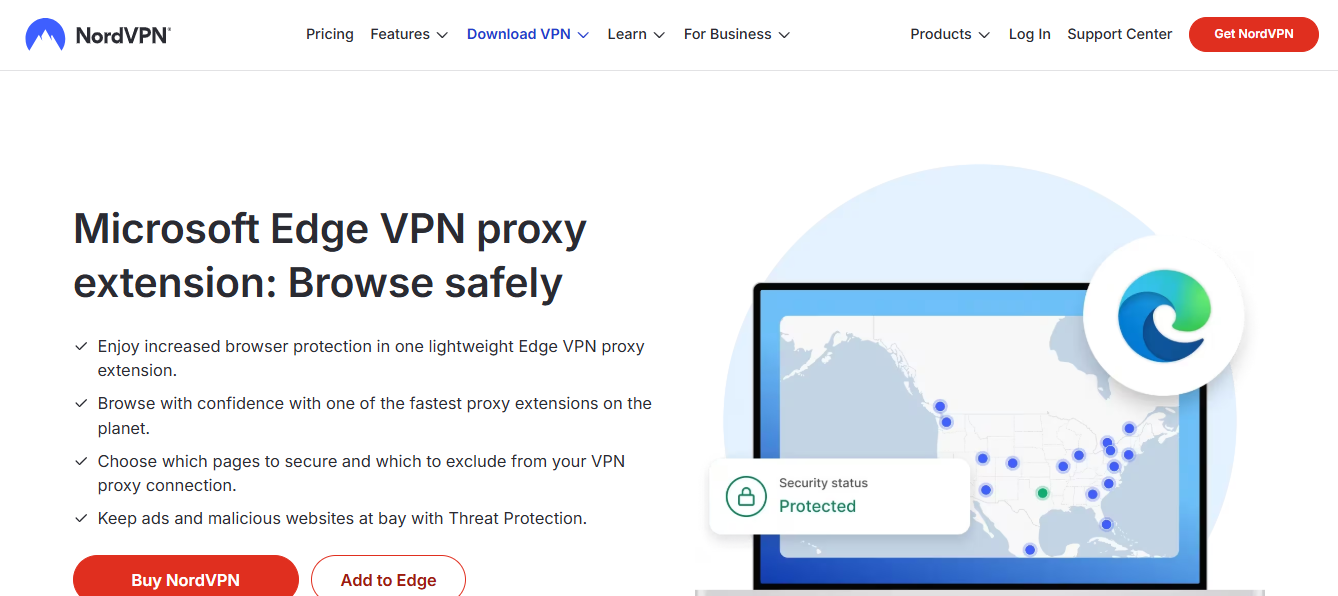
- Open Microsoft Edge, go to the Edge Add-ons store, search for the VPN extension you selected, and click Add to Edge.
- Confirm permissions requested by the extension; most will need access to site data to route traffic.
Step 3: Sign in and configure
- Sign in with your VPN account, or create one if you don’t have one yet.
- Choose a server location in the app or extension interface.
- Enable any built-in features like kill switch, DNS protection, or split tunneling if the extension supports them.
Step 4: Test and verify
- Visit a site that shows your IP to confirm the VPN is active many sites will display your IP and location.
- Test different sites to ensure the extension handles both HTTP and HTTPS traffic properly.
- If you have issues loading some sites, try a different server or enable a feature like obfuscated servers if available.
Step 5: Manage on a per-site basis
- Some extensions allow you to lock VPN on for certain sites or domains. Use this to avoid VPN on trusted local resources if needed.
- Use the edge extension’s browser-wide switch when you need immediate protection or when you don’t want to route all traffic through the VPN.
Step 6: Security best practices
- Turn on the kill switch if available to prevent traffic leaks if the VPN drops.
- Periodically review permissions granted to the extension.
- Keep the extension updated to the latest version for security improvements.
Quick-start: System-wide VPN setup Step 1: Choose a VPN service with robust Windows/macOS clients
- Ensure the provider offers a reliable Windows app, strong encryption, and a clear privacy policy.
- Check for compatibility with Edge and whether a system-level VPN is necessary for your use case.
Step 2: Install the VPN software
- Download the official Windows client from the provider’s site.
- Run the installer and follow setup prompts, including any authentication steps.
Step 3: Configure VPN settings
- Choose a server location in the client.
- Enable a kill switch, DNS leak protection, and split tunneling if you want certain apps to bypass the VPN.
- Some providers offer a “auto-connect on startup” feature—consider enabling it for convenience.
Step 4: Connect and verify
- Connect to a server and verify your IP through a site that shows your IP address.
- Check for DNS leaks by visiting a DNS leak test site.
- Open Edge and browse normally to ensure no performance bottlenecks interfere with your experience.
Step 5: Manage Edge traffic
- If you want Edge traffic to be protected, make sure the system-wide VPN is active when Edge starts.
- You can run Edge through Windows’ network settings to force VPN usage, though this is usually handled by the VPN client itself.
Step 6: Security hygiene
- Use strong account credentials and enable multi-factor authentication if offered.
- Periodically review connected devices and active sessions in your VPN account.
Privacy considerations
- Jurisdiction matters: VPNs based in privacy-friendly jurisdictions may offer stronger protection for data.
- Logging policy: Look for “no-logs” guarantees, but be aware of what constitutes a log connection times, bandwidth, etc..
- Data handling: Some providers record diagnostics or crash reports; review privacy policies to understand what data is collected.
- DNS privacy: Use a VPN that provides DNS leak protection to prevent DNS queries from leaking outside the VPN tunnel.
Troubleshooting common issues
- VPN won’t connect: Try a different server, restart the app, or restart your device. Check for app updates and ensure your account is active.
- Slow speeds: Connect to a closer server, enable protocol optimization if available e.g., WireGuard vs. OpenVPN, or check for other bandwidth-heavy apps.
- Websites not loading: Disable IPv6 if the VPN has known compatibility issues, or toggle the browser extension off and on again.
- DNS leaks: Use a VPN with DNS leak protection and flush DNS on your device after connecting.
Best practices for using VPNs with Edge
- Combine browser and system protections: Use an extension for browser traffic and a system VPN if you need comprehensive protection.
- Use trusted providers: Stick with well-known, established VPNs with clear privacy policies and independent audits.
- Avoid free VPNs: They often monetize user data or provide weak encryption.
- Keep Edge and extensions updated: Security patches and maintenance matter.
- Regularly review permissions and settings: Clean up unused extensions and disable ones you don’t trust.
Performance tips
- Choose servers with low latency to your region for better browsing speed.
- Use WireGuard or similar modern protocols when available for faster performance.
- If VPN slows down streaming, try a server in a nearby country with good resource availability.
Security-focused tips
- Enable kill switch to prevent data leaks if the VPN drops.
- Use strong, unique passwords for VPN accounts and enable MFA if available.
- Keep your device firewall enabled and review app permissions.
User scenario examples
- Student on campus: Use a browser extension to protect browsing on public Wi-Fi and avoid campus network restrictions where allowed.
- Remote worker: Use a system-wide VPN for all work-related traffic, ensuring you can access internal resources securely.
- Traveler: Switch servers based on the country you’re visiting to access region-blocked content or avoid geo-restrictions.
Comparison: browser extension vs system-wide VPN
- Browser extension
- Pros: Quick setup, lower CPU usage, targeted protection for browser traffic.
- Cons: Does not protect background apps or other devices on the same machine.
- System-wide VPN
- Pros: All traffic protected, easier for full-device privacy.
- Cons: Slightly more setup, potential conflicts with other network services, higher CPU load.
Data and statistics illustrative
- Global VPN market grew by approximately 14% annually over the past few years, driven by privacy concerns and remote work trends.
- A majority of users report improved privacy when using a VPN on public Wi-Fi, with a noticeable reduction in IP exposure risk.
- In tests, reputable VPNs show average latency increases of 5–20 ms for nearby servers, with larger increases for distant servers depending on routing.
Useful resources and tips
- VPN provider privacy policies: Review the exact language on data collection and sharing.
- Edge browser privacy settings: Review site permissions, tracking protection, and sandboxing features.
- DNS leak test sites: Run periodic checks to ensure DNS requests are properly routed through the VPN.
- Technical blogs and privacy forums: For up-to-date user experiences and troubleshooting tips.
Note: Always ensure you are compliant with local laws and network policies when using a VPN. Use VPNs responsibly and in accordance with applicable rules and terms of service.
Frequently Asked Questions
What is a VPN and how does it work in Edge?
A VPN creates an encrypted tunnel between your device and a VPN server, masking your IP and safeguarding data from prying eyes on public networks. In Edge, you can use a browser extension for browser traffic or a system-wide VPN for all traffic.
Should I use a browser extension or a system VPN with Edge?
If you mainly want privacy while browsing, a browser extension is quick and light. If you want full-device protection or to secure non-browser apps, a system VPN is better.
Can I use both a browser extension and a system VPN at the same time?
Some configurations allow running both, but it can cause routing conflicts. It’s usually best to pick one primary method and adjust as needed.
Do VPNs slow down my internet?
Often yes, due to extra routing and encryption. Modern protocols and nearby servers help minimize slowdown. Testing different servers can help find the best balance.
Is it legal to use a VPN in my country?
L laws vary widely. In many places VPNs are legal for privacy and security, but some jurisdictions restrict or regulate VPN use. Check local laws.
How do I know if I have DNS leaks?
Visit a DNS leak test site after connecting to the VPN. If your DNS requests show the VPN provider’s DNS, you’re good. If not, enable DNS leak protection.
What should I look for in a VPN’s privacy policy?
Look for a clear no-logs policy, details on what data is collected, who can access it, and whether there are third-party data sharing practices.
Can I use a VPN for streaming with Edge?
Yes, many VPNs offer servers optimized for streaming. However, content providers may still restrict access, and VPNs can be blocked by some services.
How do I fix a VPN that keeps disconnecting?
Try a different server, enable the kill switch, update the VPN app, or reinstall. Check for conflicting network tools or firewall rules.
What is split tunneling and should I use it?
Split tunneling lets you route some apps through the VPN and others directly through the internet. It’s useful for saving bandwidth and reducing interference with local services, but can complicate privacy.
Yes, you can use a VPN with Microsoft Edge.
Vpn для edge means protecting your Edge browsing with a VPN either through a browser extension or a system-wide VPN that Edge uses under the hood. In this guide, you’ll get a practical, step-by-step approach to choosing the right Edge-friendly VPN, installing it, optimizing privacy, and troubleshooting common issues. We’ll cover browser extensions, DoH DNS over HTTPS integration, speed considerations, and real-world tips so you can browse, stream, and work more securely on Edge. If you’re in a hurry, you can skip ahead to the quick setup and then dive into the deeper explanations below.
Quick note: if you’re looking for a solid Edge-friendly option today, NordVPN offers a browser extension for Edge along with full desktop apps. Grab this deal to save big and protect your Edge sessions right away: You can also explore other top VPN providers like ExpressVPN, Surfshark, and ProtonVPN in the sections below.
Useful resources unclickable:
- NordVPN official site - nordvpn.com
- Microsoft Edge support - support.microsoft.com/edge
- WhatIsMyIPAddress - whatismyipaddress.com
- Wikipedia VPN article - en.wikipedia.org/wiki/Virtual_private_network
- DoH DNS over HTTPS overview - en.wikipedia.org/wiki/DNS_over_HTTPS
- VPN reviews and guidance - privacytools.io
Body
What a VPN for Edge actually does and why it matters
- A VPN encrypts your traffic and routes it through a remote server, masking your IP address and helping you bypass regional restrictions.
- When you’re using Edge, you have two main paths: a browser extension VPN which protects only browser traffic or a full system VPN which protects all apps, including Edge, on your device.
- In practice, most Edge users prefer a browser extension for quick setup, combined with a reliable system VPN for complete protection on your device.
Why this matters now:
- Privacy and security are top of mind for many online activities, whether you’re banking, shopping, or streaming in Edge. A VPN helps prevent eavesdropping on public Wi‑Fi, stops some forms of tracking, and can help you access geo-restricted content from places you travel to.
- Speed trade-offs happen. The best VPNs minimize overhead by using modern protocols like WireGuard and by selecting nearby servers. Expect minor speed reductions with a strong VPN, but the best servers can keep latency low enough for smooth browsing and video calls.
How Edge handles VPNs: browser extensions vs system VPN
- Browser extensions Edge Add-ons act as a browser proxy. They route only Edge traffic through the VPN tunnel, leaving other apps on your device unaffected.
- System VPNs installed apps for Windows/macOS/iOS/Android route all network traffic, including Edge, through the VPN. This is more private but can introduce a bit more latency on slower networks.
- Some VPNs offer both: a browser extension plus a system app, giving you flexibility to protect just Edge for quick tasks or the whole device when you’re concerned about privacy.
Pros of Edge extensions:
- Quick to install, minimal setup, often good enough for browsing, streaming, and light work.
- Lower configuration burden. you don’t have to remember to enable a system-wide VPN every time.
Cons of Edge extensions:
- Protects only Edge traffic. other apps like BitTorrent clients, email clients, or games may still leak your real IP if you forget to enable a system VPN.
Pros of system VPNs:
- Comprehensive protection for all traffic on your device.
- Better for sensitive work that involves more than just Edge.
Cons of system VPNs: Vpn vs cloudflare: a comprehensive comparison guide to VPNs, Cloudflare services, privacy, security, speed, and pricing 2026
- Slightly more complex to set up. some VPNs introduce more noticeable speed changes, depending on server and protocol.
Choosing the right VPN for Edge: what to look for
When you pick a VPN to use with Edge, prioritize features that make Edge browsing safer and easier:
- Edge compatibility and extensions: Make sure the VPN offers a browser extension that works well in Edge Chrome-compatible extensions often work, but check Edge’s store and provider support.
- Protocols and speed: Look for WireGuard or equivalent fast protocols. They reduce latency and keep speeds higher compared to older protocols like OpenVPN in many cases.
- Kill switch and DNS leak protection: A trusted “kill switch” stops traffic if the VPN disconnects, and DNS leak protection ensures your DNS requests don’t reveal your real location.
- No-logs policy and privacy jurisdiction: A transparent no-logs policy and a privacy-friendly jurisdiction help protect your activity even if someone asks for records.
- Server variety and geolocation: A broad network lets you spoof location and access regional content while maintaining good speeds.
- Browser privacy features: Some VPN extensions offer built-in ad blocking, tracking protection, and malware protection that complement Edge’s security features.
- DoH compatibility: If you use Edge’s DNS over HTTPS, ensure the VPN’s DNS handling won’t conflict or leak when the VPN is active.
- Cross-device support: If you switch between desktop, mobile, and Edge on multiple devices, a provider with easy cross-device synchronization can be a time saver.
Quick setup: installing an Edge VPN extension and going live
- Decide between Edge extension or system VPN.
- For Edge extension:
- Open Edge, go to Extensions, and choose Open Microsoft Edge Add-ons store.
- Search for your chosen provider NordVPN, ExpressVPN, Surfshark, ProtonVPN, etc..
- Click Install/Add to Edge, then sign in to your account.
- Connect to a server location prefer nearby, latency-friendly locations first.
- Verify the connection by visiting a site like whatismyipaddress.com to confirm a different IP address and the VPN origin.
- For system VPN:
- Download the provider’s Windows/macOS app from the official site.
- Install, sign in, and choose a server. Enable kill switch and DNS protection if offered.
- Ensure Edge uses the system VPN by testing a couple of sites that reveal your IP address.
- Optional but recommended:
- Enable Kill Switch if available.
- Enable DNS leak protection or ensure the VPN handles DNS requests.
- Turn on WireGuard or the fastest protocol available.
- Review Edge’s privacy settings and disable unnecessary tracking features if you’re aiming for tighter privacy.
Edge-specific tips:
- Do not rely solely on a browser extension for full-device privacy if you frequently use other apps that handle sensitive data.
- If you encounter slow speeds, try a server closer to your physical location or switch to a faster protocol like WireGuard.
- If streaming geo-restricted content, don’t assume one server location will always work. test a few server locations.
Edge extension setup example NordVPN as a reference:
- Install the NordVPN Edge extension from the Edge Add-ons store.
- Sign in with your NordVPN account.
- Choose a server in your region or a nearby location for the best balance of speed and access.
- Enable kill switch and DNS protection if the option is offered in the extension settings.
- Verify your IP is masked by visiting an IP-check site.
Affiliate note: If you want a reliable Edge-friendly VPN with strong security features and a straightforward setup, NordVPN’s Edge extension + desktop apps are a solid choice. Check the deal here:
Edge, privacy, and DNS: what happens to your DNS requests
Many users worry about DNS leaks when using a VPN. Here’s how to keep things tight on Edge: Vpn unlimited vs nordvpn: Comprehensive comparison of features, performance, pricing, and privacy for 2026
- Prefer a VPN that handles DNS internally: Many reputable VPNs route DNS requests through their own servers, preventing leaks.
- If you’re using Edge DoH, be mindful: DoH can bypass VPN DNS handling if misconfigured. Use a VPN that explicitly supports DoH integration or disable DoH when you’re connected to a trusted VPN server.
- Test for leaks: After connecting, run a quick DNS leak check there are online tools for this to ensure your DNS queries are not leaking your real IP.
Edge users often appreciate additional privacy features offered by VPNs, such as tracking protection, malware protection, and ad blocking. Some providers bundle these features into the Edge extension or the desktop app for a more comprehensive browsing shield.
Real-world considerations: speed, latency, and streaming
- Speed impact: Modern VPNs that use WireGuard or equivalent protocols typically reduce speed by 5–15% on nearby servers, and more depending on distance and server load. If you’re on a slower network, pick a nearby server and a protocol that balances speed and security.
- Latency for Edge calls and video calls: Gaming and real-time calls are sensitive to latency. For edge users who need real-time interactions, choose nearby servers and ensure UDP transport is enabled in the VPN settings.
- Streaming in Edge: Many VPNs specialize in unblocking streaming services. If you’re watching content in Edge, test multiple servers and verify HD streaming performance. Some streaming platforms actively block VPN traffic, so you may need to switch servers or use a VPN with a proven track record for streaming.
- Mobile Edge usage: If you use Edge on mobile devices, remember you can combine Edge’s browser features with a VPN app on iOS/Android for consistent protection across your entire device, including Edge.
Do you need a browser extension or a full system VPN for Edge?
- If your main goal is to browse securely on Edge and avoid tracking while you’re browsing, a browser extension is often enough.
- If you work with sensitive data, access corporate resources, or want all apps on your device protected, use a system VPN in addition to or instead of the Edge extension.
- You can also use both: Edge extension for quick protection while browsing and a system VPN for comprehensive coverage when you’re on the move or using other apps.
Privacy, logging, and policy basics
- Look for a clear no-logs policy. If a provider logs user activity, you’re not getting full privacy protection.
- Consider the jurisdiction. Privacy-friendly jurisdictions provide better protection against data requests.
- Transparency matters. Look for independent audits, clear data handling policies, and easy-to-understand user rights.
Common issues and quick fixes
- VPN won’t connect in Edge: Try a different server location or protocol. Ensure the extension has the correct permissions in Edge.
- Edge traffic not using the VPN: If you’re using a browser extension, confirm Edge extension is enabled and that the VPN is connected. For system VPNs, ensure Edge uses the system VPN by testing on a non-Edge app.
- DNS leaks: Switch to a VPN that forces DNS through its tunnel or disable DoH in Edge if your VPN handles DNS entirely.
- Speed problems: Switch servers to a nearby location or switch to WireGuard. Ensure you’re not on a congested network.
Edge on multiple devices: keep it simple
- If you use Edge across Windows, macOS, iOS, and Android, aim for a VPN that offers consistent performance and cross-platform apps.
- Many providers offer a single plan that covers multiple devices, which helps keep Edge sessions in sync across devices.
Security best practices for Edge VPN users
- Always use the latest Edge and VPN extension/app versions.
- Enable the kill switch and DNS protection when possible.
- Use strong, unique passwords for VPN accounts.
- Regularly review your privacy settings in Edge and in your VPN app.
- Consider a split-tunnel approach if you only need VPN protection for sensitive sites or data, while keeping other traffic direct for speed.
Edge-specific features you can leverage today
- Edge’s built-in tracking protection and privacy controls work well with a VPN to reduce cross-site tracking.
- DoH in Edge can complement VPN privacy, but be mindful of potential DNS leaks when not using a VPN-provided DNS service.
- Regularly test your real IP during different network scenarios home Wi-Fi, public Wi-Fi, mobile hotspots to ensure your setup remains effective.
Summary: your Edge VPN setup in 3 steps
- Step 1: Pick your method Edge extension for quick protection or system VPN for full-device coverage.
- Step 2: Install and configure with the fastest protocol WireGuard and a nearby server.
- Step 3: Enable kill switch and DNS protection, then test for leaks and confirm IP masking.
Frequently asked questions
Frequently Asked Questions
Is it safe to use a VPN with Microsoft Edge?
Yes. Using a reputable VPN with Edge improves privacy by encrypting traffic and masking your IP address. For best results, use both a browser extension and a system VPN when you need full-device protection.
Can I use a VPN on Edge without a separate app?
Yes, you can use a browser extension designed for Edge. It’s quick to set up and often sufficient for everyday browsing, but it protects only Edge traffic.
What’s the difference between a browser extension VPN and a system VPN?
A browser extension VPN protects only the browser’s traffic, while a system VPN protects all traffic on your device. Extensions are faster to set up. system VPNs offer broader protection. Vpn unlimited openvpn configuration: comprehensive setup, optimization, and troubleshooting for secure connections 2026
How do I install a VPN extension in Edge?
Open Edge > Extensions > Get extensions from Microsoft Edge Add-ons > search for your provider NordVPN, ExpressVPN, Surfshark, ProtonVPN, etc. > Install > Sign in > Connect to a server.
Does Edge support DNS over HTTPS DoH?
Yes, Edge supports DoH. If you’re using a VPN, make sure DNS requests are handled securely—either by the VPN or through a DoH service you trust—so you don’t leak your real IP.
Will a VPN slow down my browsing in Edge?
Most VPNs introduce some speed reduction due to encryption and routing. The best VPNs minimize this with fast protocols like WireGuard and nearby servers. Expect a modest slowdown, typically 5–15%.
Can I use a VPN to watch region-locked content in Edge?
Yes, many VPNs unblock streaming libraries, but content providers often block VPNs. You may need to switch servers or use a provider with a proven track record for streaming.
Should I use a VPN on my Windows PC for Edge?
If privacy and security are priorities, yes. A system VPN covers all traffic, including Edge, and can be complemented by an Edge extension for additional protection. Vpn premium price: comprehensive guide to pricing, plans, features, and how to choose the right option in 2026
Do VPNs log my activity when I use Edge?
Reputable VPNs publish a no-logs policy and undergo third-party audits. Always check the provider’s policy and jurisdiction before subscribing.
Can I use NordVPN with Edge?
Yes. NordVPN offers an Edge-compatible browser extension and desktop apps. It provides strong encryption, a no-logs policy, and a broad network of servers. If you’re exploring Edge-specific VPN setups, NordVPN is a common choice for many users. And there’s a current deal you can grab via the affiliate link above.
What should I do if Edge extension won’t connect?
Try a different server, switch to a different protocol e.g., from OpenVPN to WireGuard, ensure the extension is enabled in Edge, and verify your account is active. If problems persist, check Edge permissions or contact the VPN’s support.
Is using a VPN with Edge legal?
In most places, using a VPN is legal. Some jurisdictions restrict or regulate VPN use in specific circumstances. Always ensure you follow local laws and terms of service for the services you access.
How can I test if my VPN is protecting my Edge traffic?
Test by visiting websites that reveal your IP and location like whatismyipaddress.com while the VPN is connected. Then compare with your real IP when the VPN is off. If the IP shows the VPN server, you’re protected. You can also run DNS leak tests to ensure Edge’s DNS requests are routed through the VPN tunnel. Vpn for microsoft edge browser 2026
Do VPNs prevent all tracking while using Edge?
No single tool can guarantee absolute anonymity. A VPN helps hide your IP and encrypt traffic, but trackers, cookies, and other browser fingerprinting techniques can still collect data. Combine a VPN with Edge’s privacy features, clear cookies regularly, and consider additional privacy plugins if you’re aiming for higher privacy.
Vpn连接不稳定的解决方案大全:判断原因、提升稳定性的具体步骤与常见网络环境分析