Add on vpn edge for Microsoft Edge: a complete guide to using a VPN add-on in Edge for privacy, security, and streaming 2026
'%2F%3E%3Ctext%20x%3D'50%25'%20y%3D'50%25'%20dy%3D'.35em'%20text-anchor%3D'middle'%20font-family%3D'-apple-system%2CBlinkMacSystemFont%2CSegoe%20UI%2Csystem-ui%2Csans-serif'%20font-size%3D'100'%20font-weight%3D'600'%20fill%3D'%23fff'%3EMB%3C%2Ftext%3E%3C%2Fsvg%3E) Marta Blanco·April 11, 2026·34 min
Marta Blanco·April 11, 2026·34 min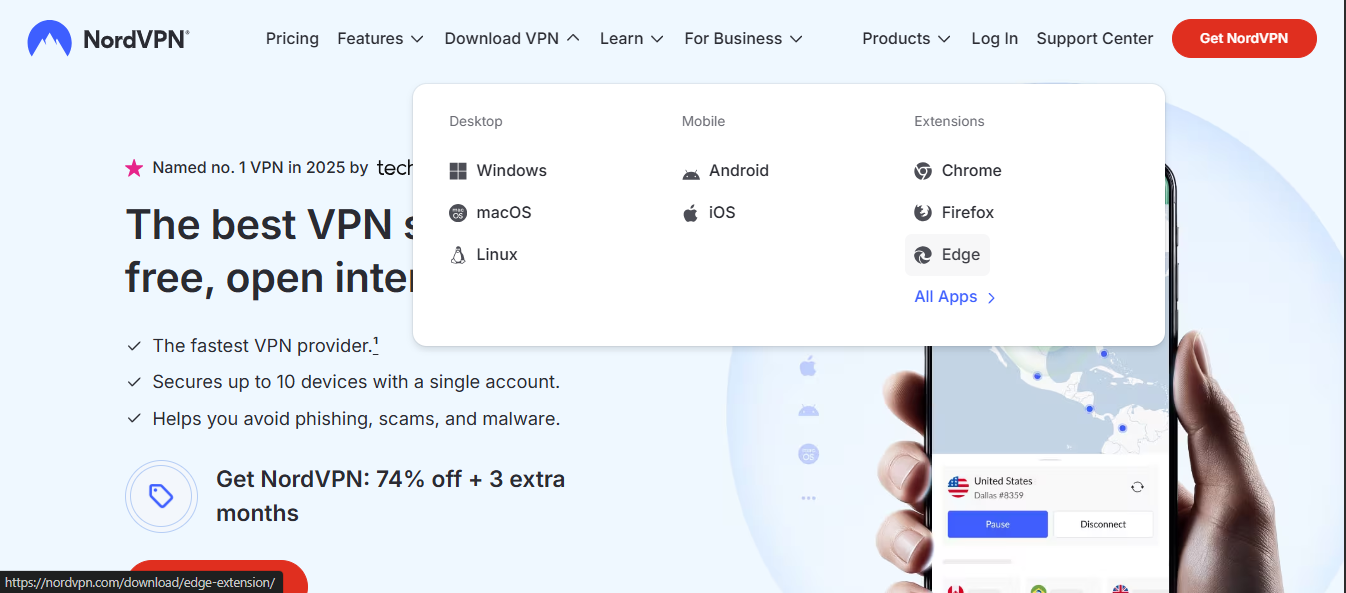
Add-ons for Microsoft Edge that provide a VPN experience are a popular way to improve privacy, security, and access to geo-restricted content while you browse. This guide breaks down how to choose, install, and use a VPN add-on in Edge, what to expect in terms of performance, and how to troubleshoot common issues. Think of this as a practical, friendly walkthrough you can follow step by step.
Add on vpn edge for microsoft edge a complete guide to using a vpn add on in edge for privacy security and streaming Quick fact: Edge VPN add-ons come in several flavors, from simple browser proxies to full-featured VPN services with encryption and leak protection. This guide will help you pick the right option and set it up quickly.
- What you’ll learn
- How VPN add-ons in Edge work and what they protect
- Steps to install and configure a VPN add-on
- The differences between browser-based VPNs and system-wide VPNs
- How to test for leaks and verify IP masking
- Tips for streaming and accessing geo-restricted content
- Common issues and quick fixes
Useful URLs and Resources text only
- Microsoft Edge add-ons - microsoft.com
- What is a VPN? - en.wikipedia.org/wiki/Virtual_private_network
- VPN security basics - www.kaspersky.com/resource-center/definitions/what-is-a-vpn
- IPv6 and DNS leak testing - www.dnsleaktest.com
- Streaming with VPNs general tips - www.netflix.com
- Privacy basics for browsing - www.eff.org
What is a VPN add-on and how does it differ from a full VPN app?
- A VPN add-on in Edge is a browser extension that routes your browser traffic through a VPN server. Some extensions also route all browser traffic, but many only affect traffic inside Edge.
- A full VPN app installed on your device can route all network traffic, not just the browser, offering broader protection.
Pros of Edge VPN add-ons
- Easy to install and manage
- Quick switch between servers
- Lightweight and doesn’t usually impact your whole device’s performance
Cons of Edge VPN add-ons
- May not cover all apps or system services
- Some free add-ons have data limits or slower speeds
- Trust and encryption levels vary by provider
How to choose a VPN add-on for Edge
- Look for credible providers with a clear privacy policy and no-logs stance.
- Check encryption standards AES-256 is standard, and supported protocols OpenVPN, WireGuard, IKEv2, etc..
- Prefer add-ons from reputable providers with transparent server lists and performance data.
- Verify that the extension is regularly updated and compatible with Edge.
- Consider the price, data limits, device compatibility, and how many devices you’ll protect.
Quick checklist
- Privacy policy and no-logs statements
- Encryption and protocol support
- Server locations and speeds
- User reviews and independent audits
- Clear terms for refunds and support
How to install a VPN add-on in Microsoft Edge
- Open Edge and go to the Edge Add-ons store.
- Search for the VPN add-on you want. Popular options include entries from reputable providers.
- Click Add to Edge, then confirm the permissions the extension asks for.
- The extension icon will appear near the address bar. Click it to sign in or create an account if required.
- Choose a server location and turn the VPN on.
- Test your connection by visiting a site that shows your IP location or using an IP checker.
Tips for a smooth install
- Only install extensions from reputable sources and providers you recognize.
- Disable other extensions that might interfere with network traffic during initial testing.
- If the extension asks for broad permissions, make sure you trust the provider.
How to configure settings for privacy and security
- Enable kill switch if available to ensure your real IP isn’t exposed if the VPN drops.
- Turn on DNS leak protection and IPv6 disablement if you’re concerned about leaks some extensions support these options.
- Use a strong, unique password for your VPN account and enable two-factor authentication if offered.
- Choose a server in a location that suits your needs privacy-focused jurisdictions may be preferable for some users.
- Review the auto-connect and startup options so you’re protected as soon as you launch Edge.
Privacy considerations when using a VPN add-on in Edge
- No-logs claims vary by provider; read the policy to understand what data is collected.
- Some extensions may still reveal metadata, such as when you connect or disconnect.
- Browser fingerprinting can still occur; use privacy-conscious browser settings in tandem with the VPN add-on.
- Consider using additional privacy tools like tracker blockers and HTTPS Everywhere-style protections.
Using Edge VPN add-ons for streaming
- Many streaming services actively block known VPN IPs. If one server is blocked, switch to another location and try again.
- Some providers offer streaming-optimized servers. Look for labels like “for streaming” or “unblock streaming.”
- Lower latency servers can improve buffering times; test a few locations to see what works best.
- Remember that streaming via a VPN may breach some service terms, so use at your own risk and be mindful of the provider’s policies.
Practical streaming tips
- Use servers in countries that have the streaming library you want to access.
- If a show is region-locked, try a server in that region, but also be aware of possible bandwidth throttling.
- If you encounter buffering, pause other bandwidth-heavy activities and try a different server or protocol.
Common issues and quick fixes
- Issue: VPN won’t connect
- Check your internet connection, relaunch Edge, reauthenticate, and try a different server.
- Ensure the extension has the latest update and is enabled in Edge’s extensions settings.
- Issue: DNS leaks
- Enable DNS leak protection in the extension settings or install a trusted DNS proxy.
- Disable IPv6 if the extension doesn’t support it properly.
- Issue: Slow speeds
- Switch to a closer server or a server optimized for streaming.
- Try a different protocol e.g., WireGuard instead of OpenVPN.
- Issue: IP address not changing
- Make sure the VPN is actually connected; some extensions show a green indicator when connected.
- Clear browser cache and cookies, then recheck your IP.
- Issue: Edge crashes or extension conflicts
- Disable other extensions temporarily to identify conflicts.
- Update Edge to the latest version and reinstall the VPN add-on if needed.
Security best practices when using a VPN add-on in Edge
- Use reputable providers with strong encryption and a clear privacy policy.
- Treat a VPN as part of your broader security stack, not the only defense.
- Regularly review app permissions and revoke unused ones.
- Keep your browser and extensions up to date to reduce vulnerability exposure.
- Consider using a privacy-focused search engine and disable telemetry where possible.
Performance and data usage considerations
- VPNs can add latency due to routing through distant servers. If speed is critical, test multiple nearby servers.
- Video quality and buffering depend on both VPN speed and your baseline connection.
- Some providers offer split tunneling route only certain sites through VPN. This can help with speeds while keeping sensitive traffic protected.
Advanced tips for edge users
- Use profiles: If you frequently switch between work and personal tasks, create separate Edge profiles with the VPN enabled or disabled as needed.
- Auto-connect on startup: Enable Edge to auto-connect to VPN when launching the browser for consistent protection.
- Browser-specific privacy: Use Edge’s built-in privacy settings tracker blocking, encryption requirements in tandem with the VPN add-on for a layered approach.
- Test your setup regularly: Run a quick IP and DNS leak test after switching servers or updating the extension.
Tables of comparison quick reference
Edge VPN add-on vs. system-wide VPN app
- Scope: Edge add-on = browser-only; system-wide = all traffic
- Setup: Edge add-on = quick; system-wide = longer
- Control: Edge add-on = per-browser; system-wide = device-wide
- Privacy: both depend on provider; verify no-logs policy
- Streaming: Edge add-on can unblock browser content; system-wide can unblock more apps
Common server types and what they’re good for Adguard edge extension for privacy, ad blocking, and VPN compatibility: complete guide 2026
- Nearby P2P-friendly servers: good for speed, casual browsing
- Streaming-optimized servers: better for bypassing geo restrictions
- Privacy-focused jurisdictions: added anonymity for sensitive activities
- Load-balanced servers: better overall performance during peak times
Real-world usage scenarios
- Scenario A: You want to watch shows on a streaming service that’s blocked in your country.
- Pick a streaming-optimized server in the target country, test playback, and adjust quality to prevent buffering.
- Scenario B: You’re on public Wi-Fi and want to protect sensitive browsing banking, email.
- Enable VPN add-on, ensure kill switch is active, and prefer servers with strong privacy policies.
- Scenario C: You’re traveling and need reliable access to work resources.
- Use a stable corporate server or a region that’s allowed by your company’s policy, and monitor latency.
Maintenance and updates
- Keep Edge updated to ensure compatibility with the latest add-ons.
- Regularly check for VPN extension updates and review the privacy policy upon major changes.
- If you notice persistent issues after an update, reinstall the extension and reconfigure settings from scratch.
Alternative options to consider
- Full VPN apps that cover all traffic
- Proxy services within Edge less secure than VPNs
- Privacy-focused browsers with integrated protections
Quick-start recap
- Choose a reputable VPN add-on with strong security features.
- Install and sign in from Edge’s Add-ons store.
- Enable features like kill switch, DNS leak protection, and IPv6 handling as needed.
- Pick a server, connect, and test your IP and DNS to verify protection.
- Use streaming-optimized servers if you’re chasing geo-restricted content, and switch servers if you hit blocks.
- Maintain privacy by combining VPN usage with good browser hygiene and privacy settings.
Frequently Asked Questions
What is a VPN add-on for Edge?
A VPN add-on for Edge is a browser extension that routes browsing traffic through a VPN server to hide your real IP, encrypt traffic, and sometimes unblock geo-restricted content.
Do VPN add-ons in Edge protect all my internet traffic?
Most Edge VPN add-ons protect browser traffic by default. Some can route all browser traffic, but system-wide traffic protection requires a separate VPN app or service on your device.
How do I know if the VPN is working?
Visit a site that shows your IP location or use an IP checker. If the IP and location reflect the server you chose, the VPN is working. You can also test for DNS leaks.
Can I stream shows while using a VPN add-on in Edge?
Yes, many people use VPN add-ons to unblock regional libraries. If a server is blocked, try another one or a streaming-optimized server.
Are Edge VPN add-ons free?
Some are free with limits, but most reliable options come with paid plans. Free options often have data caps, slower speeds, or ads. Zenmate vpn chrome web store
Will a VPN hide my browsing history from my ISP?
A VPN hides your browser traffic from your ISP, but your ISP may still see that you’re connected to a VPN server. Some metadata can still be exposed depending on provider policies.
Can I use a VPN add-on on public Wi-Fi?
Yes, and it’s a good idea. It adds an encryption layer and helps protect your data from local network snooping.
Do VPN add-ons affect streaming quality?
They can affect speed due to encryption and rerouting. Choosing fast servers and protocols can mitigate buffering.
What should I do if the VPN causes Edge to crash?
Disable other extensions, update Edge, re-install the VPN add-on, and reduce the number of tabs or processes running simultaneously.
Is it safe to use multiple VPNs in Edge?
Using more than one VPN extension simultaneously can cause conflicts. Use one trusted VPN add-on at a time and clear caches between changes. Edgerouter x vpn speed: how to maximize Edgerouter X VPN throughput, optimize latency, and boost VPN performance at home
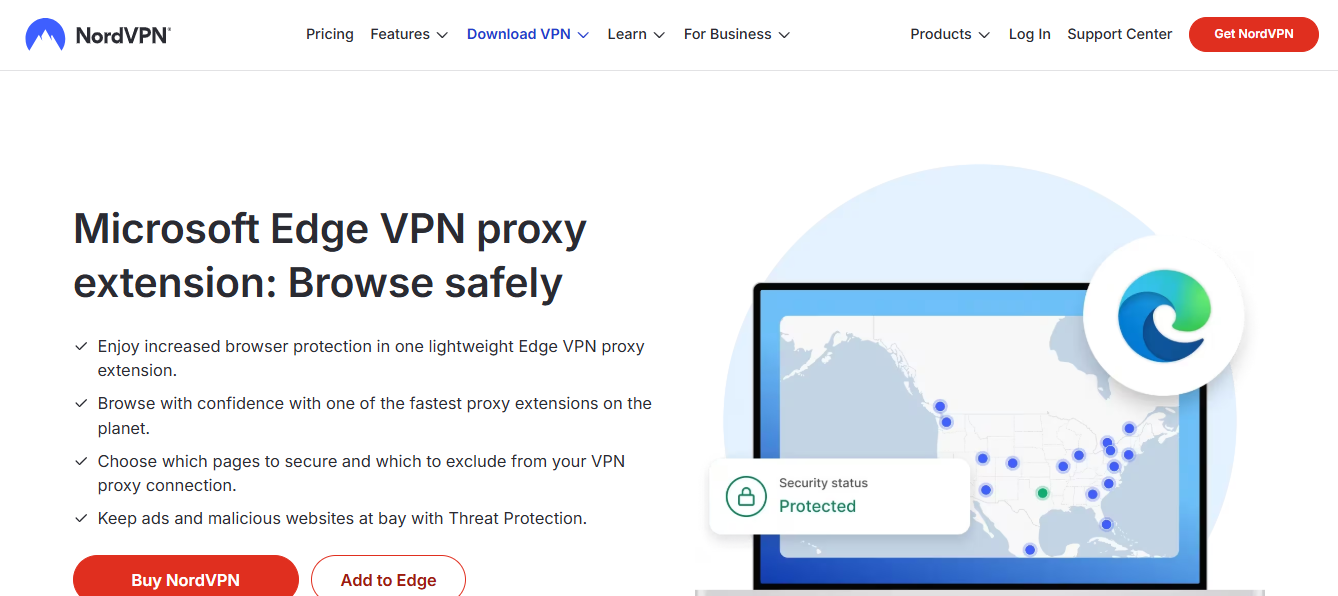
Add on vpn edge is a browser extension that adds VPN protection directly into Microsoft Edge. In this guide, you’ll get a practical, step-by-step look at what Edge VPN add-ons are, how they differ from full VPN apps, how to install and configure them, what features to look for, and how to use them effectively for everyday browsing, streaming, and secure connection on public Wi‑Fi. Plus, you’ll find real-world tips, common pitfalls, and a thorough FAQ to answer the most asked questions. If you want a quick path to Edge-friendly protection, consider NordVPN’s Edge extension and a limited-time offer that’s highlighted below.
NordVPN Edge extension deal click to view the offer:
Useful resources and references unclickable: Apple Website - apple.com, Microsoft Edge – support.microsoft.com, VPN industry overview – vpnmentor.com, Privacy-focused resources – theguardian.com section vpn, OpenVPN project – openvpn.net, WireGuard project – www.wireguard.com, NordVPN official site – nordvpn.com, ExpressVPN official site – expressvpn.com, Surfshark official site – surfshark.com, Cybersecurity statistics – cisco.com, GlobalWebIndex annual report – globalwebindex.com
Introduction
Yes, you can enhance privacy and security in Edge with a VPN add-on. This guide explains how add-ons for Microsoft Edge work, what to expect, and how to use them effectively. Here’s what you’ll learn, in a nutshell:
- What an Edge VPN extension is and isn’t
- How to install and configure a VPN add-on in Edge step by step
- Pros, cons, and the best use cases for Edge extensions
- What to look for when choosing an Edge VPN add-on
- Practical tips for streaming, gaming, and avoiding leaks
- Common pitfalls and how to fix them
- A thorough FAQ to answer at least 10 common questions
If you’re curious about a ready-made option, consider NordVPN as a well-known Edge extension choice, and you can explore a current deal through the banner above. This can be a quick way to get Edge-protected browsing without installing a full desktop VPN app, while still keeping your browsing data more private on public networks and when accessing geo‑restricted content. NordVPN’s Edge extension pairs nicely with their desktop app for broader protection, and you’ll often find promotions that make it easier to try.
What is an Add on vpn edge and how it fits into your browsing
- What it is: An Edge extension that provides VPN-like capabilities inside the browser. It routes your Edge traffic through a VPN server, masking your IP for traffic that goes through the browser, while other applications on your device may use a different network path if you’re not using a system-wide VPN.
- What it isn’t: It’s not always a full system-wide VPN. Some Edge extensions only protect the browser traffic, not the traffic from other apps on your computer. If you want complete device-wide protection, you’ll typically want the provider’s desktop app or a system-wide VPN in addition to or instead of the Edge extension.
- Ideal use cases: Safest option when you’re on public Wi‑Fi, want to access geo-restricted content while using Edge, or want to hide your Edge browsing activity from local network observation.
Key terms you’ll hear about Edge VPN add-ons
- Kill switch for the browser: Some extensions offer a browser-based kill switch that cuts traffic if the VPN disconnects, preventing accidental leaks in Edge.
- DNS leak protection: Ensures that DNS requests aren’t exposed to your ISP in case the VPN connection drops.
- Auto-connect: Automatically connects to a VPN server when Edge launches or when you join untrusted networks.
- Split tunneling: Lets you decide which sites or services go through the VPN and which don’t. Not all Edge extensions support this.
- Obfuscated servers: Servers designed to look like regular traffic to bypass network restrictions or VPN blocks.
- Per-site protection: Some extensions allow you to toggle VPN use for specific sites or domains within Edge.
How Edge VPN add-ons differ from full VPN apps
- Scope of protection: Edge extensions primarily protect browser traffic. full VPN apps provide protection for the entire device and all apps.
- Performance impact: Extensions can be lighter on system resources but sometimes offer fewer customization options than a desktop app.
- Features: Desktop VPN apps usually include more features kill switch, DNS protection, app kill switch, multi-hop, obfuscation across the entire device. browser extensions focus on browser traffic and may offer a subset of features.
- Compatibility: Some streaming services actively block known VPN IPs used by extensions. sometimes a desktop app offers more server options or faster servers for streaming.
Step-by-step guide to install and configure a VPN add-on in Edge
1 Open Microsoft Edge and go to the Add-ons store
2 Search for a VPN add-on for example, “NordVPN Edge extension” or any reputable provider with Edge support
3 Click Get or Add to Edge to install the extension
4 Pin the extension to the toolbar for quick access
5 Sign in with your VPN account or start a free trial if offered
6 Choose a server location and enable the connection
7 Verify your connection by checking your IP address via a site like ipinfo.io outside Edge, as needed
8 Test for DNS leaks and try browsing a geo-restricted site to confirm the VPN is working within Edge
9 Optional: Enable auto-connect and DNS protection in the extension’s settings
10 If you want broader protection, install the provider’s desktop app and pair it with the Edge extension
Tips for getting the most out of Edge VPN extensions
- Always connect to a nearby server for better speeds, unless you specifically need content from a distant region.
- Check for a kill switch option and enable it so you don’t leak when the extension disconnects.
- Use DNS leak protection to minimize privacy exposure in case of any interruption.
- If a site blocks VPNs, try a different server location or enable obfuscated servers if that feature is available.
- Enable auto-connect on startup or on untrusted networks to maintain protection without thinking about it.
- Keep the extension updated. browser extension updates often include important security improvements.
- Use a reputable provider with clear privacy policies and independent audits if possible.
- If you rely on streaming, test a few servers for reliability and speed. some servers throttle video streams, others are optimized for streaming.
Security, privacy, and performance considerations when using Edge extensions
- Encryption and protocols: Reputable VPN extensions typically use strong encryption AES-256 and secure protocols WireGuard or OpenVPN-based variants. Verify which protocol the Edge extension uses in the settings.
- Logs and privacy: Read the provider’s privacy policy to understand what data is collected, stored, and for how long. The best options provide a strict no-logs policy and transparency reports.
- Jurisdiction: Where the provider is based can impact privacy in practice. Providers in privacy-friendly jurisdictions can be advantageous, but they also face different legal requirements.
- Browser fingerprinting: While VPNs protect IP, some sites track you via browser fingerprinting. Consider a broader privacy strategy that includes anti-fingerprinting measures and minimal data sharing.
- DNS handling: Ensure the extension uses its own DNS servers to avoid leaking DNS requests to your ISP. DNS leaks undermine the VPN’s privacy benefits.
- Malware and extensions: Only install extensions from reputable sources. phishers can distribute malicious extensions that pretend to be VPNs.
Edge-specific use cases and scenarios
- Public Wi-Fi security: When you’re on a cafe or airport network, Edge extensions can keep your Edge traffic private and reduce the chances of eavesdropping on sensitive data such as login credentials.
- Geo-restricted streaming: Some streaming sites detect your location by IP. A reputable Edge extension helps you appear from a different location, enabling access to content available in other regions.
- Business-focused browsing: On work-provided machines, Edge extensions can be used for secure, private browsing on public networks, provided this aligns with your company’s policy and IT guidelines.
- Quick privacy on mobile: Edge extensions exist on some mobile platforms as well, but you’ll often find the mobile experience requires the provider’s app for full device protection.
Common pitfalls when using Edge VPN add-ons and how to fix them
- DNS leaks despite a VPN: If you notice DNS requests still going to your ISP, double-check that DNS protection is enabled and the extension is actively routing DNS through the VPN’s servers.
- Slower speeds on streaming sites: Try a different server or switch to a server optimized for streaming. Some providers offer “streaming” servers with better performance for video.
- VPN blocks on sites: Some sites lock down on VPN IPs. Switching servers or using obfuscated servers can help bypass detection.
- Browser-only protection isn’t enough: For overall privacy, consider a system-wide VPN the provider’s desktop app in addition to or instead of the Edge extension.
- Incompatible extensions: If you run many Edge extensions, they may interfere with one another or with VPN routing. Test in a clean profile if you notice issues.
Best practices for maximizing safety and performance
- Use strong, unique passwords for your VPN account and enable multi-factor authentication if available.
- Regularly review extensions you’ve installed. remove those you don’t use.
- Clear cookies and periodically review your browser’s privacy settings.
- Test your IP address and DNS after connecting to confirm protection is active.
- Combine Edge extensions with other privacy habits: disable unnecessary browser telemetry, limit tracking cookies, and keep software up to date.
Alternatives and complements to Edge extensions
- Desktop VPN apps: If you want device-wide protection, install the provider’s desktop app. This covers all programs, not just Edge.
- Built-in browser privacy features: While Edge doesn’t come with its own VPN, you can use private browsing modes, tracker prevention, and other built-in privacy features as additional layers.
- Router-level VPN: Configure a VPN on your home router to protect all devices on your network, including Edge on any device.
Choosing the right Edge VPN add-on: what to look for
- Reputation and independent reviews: Choose a provider with credible third-party audits and transparent privacy policies.
- Server network and speed: More servers and well-optimized networks can translate to faster, more reliable connections.
- Privacy policy clarity: Look for explicit no-logs claims and clear handling of user data.
- Compatibility and support: Ensure the extension is currently supported on Edge and that customer support is accessible.
- Features alignment: If you need split tunneling, kill switch, or obfuscated servers, confirm Edge extension supports these features.
Real-world data points to consider
- VPN adoption continues to grow among privacy-conscious users and remote workers, with Edge users among those who want quick browser-level protection on public networks.
- Streaming and torrenting use-cases drive demand for reliable Edge extensions with fast servers and robust anti-blocking capabilities.
- The strategy of combining a browser extension with a desktop VPN app is common for users who want rapid browser protection plus device-wide security.
What to expect in terms of performance and reliability
- Edge extensions typically offer fast connection times and competitive speeds when connected to nearby servers.
- Performance depends on server load, the protocol used, and the distance to the server. If you experience buffering or slow page loads, switch servers or disable bandwidth-heavy extensions that are running in the background.
Frequently asked questions
Frequently Asked Questions
# What is Add on vpn edge in simple terms?
Add on vpn edge is a browser extension for Microsoft Edge that provides VPN-like protection for Edge traffic, masking your IP and encrypting data within the browser. It’s ideal for quick privacy on public networks and accessing geo-restricted content in Edge.
# How do I install a VPN add-on on Edge?
Open Edge, go to Extensions > Get extensions from Microsoft Edge Add-ons, search for a VPN add-on, click Get, then Add extension. Sign in if required, pin it to the toolbar, choose a server, and connect.
# Does Edge VPN extension hide my real IP?
Yes, when connected to a VPN server through the extension, your Edge traffic appears to originate from the server’s IP instead of your real IP. This helps with privacy and geo-unblocking.
# Can I use a VPN Edge extension for streaming?
Yes, many Edge extensions support streaming by routing traffic through servers optimized for media. You may need to try a few servers to find one that reliably unblocks your streaming service.
# Will a VPN Edge extension slow down my internet?
It can, depending on server distance, load, and protocol. Nearby servers with a fast protocol like WireGuard often provide the best balance of speed and security.
# Is using a VPN add-on in Edge safe?
Generally safe when you use a reputable provider, keep the extension updated, and follow best practices enable DNS protection, kill switch, and auto-connect. Avoid untrusted or unknown extensions.
# Which Edge extension is best?
The best one depends on your priorities speed, privacy, streaming, price. Look for a provider with a transparent privacy policy, independent audits, and features you need like DNS leak protection and a solid kill switch.
# Do I still need the full VPN app if I have the Edge extension?
If you want device-wide protection beyond Edge, yes. A desktop VPN app protects everything on your device, not just Edge browser traffic.
# Can I use a VPN Edge extension for gaming?
You can, but it depends on the server and your location. Some games are sensitive to latency. a nearby server can help. If gaming performance is critical, a desktop VPN or a direct connection might be better.
# How do I test for DNS leaks with Edge extension?
Connect to the VPN via Edge, then visit a DNS leak test site like dnsleaktest.com or ipleak.net. If the DNS results show servers from the VPN provider rather than your ISP, you’re likely protected.
# How private is Edge’s VPN extension?
Privacy depends on the provider’s policy. Reputable providers publish no-logs commitments and undergo independent audits. Review the privacy policy and look for third-party verification if privacy is a priority.
# Can I disable the VPN for specific sites in Edge?
Some Edge extensions support per-site or per-tab exceptions, allowing you to bypass VPN protection for trusted sites. Check the extension’s settings to manage this.
# How do I uninstall or disable an Edge VPN extension?
Open Edge, go to Extensions, find the VPN extension, and choose Remove or Disable. You can re-enable anytime from the Extensions menu.
# What happens if the VPN connection drops while I’m using Edge?
If you have a kill switch enabled, traffic in Edge will be blocked to prevent leaks. If not, you may need to reconnect manually and check for DNS leaks.
# Does Edge block VPNs or proxies?
Some networks may block VPN IPs or proxies. If you encounter blocks, try a different server, enable obfuscation if available, or switch to a desktop VPN app for broader network protection.
# Are Edge extensions compliant with corporate networks?
It depends on your organization’s policy. Some companies restrict or monitor extensions to protect the network. Always follow your IT guidelines and obtain permission where required.
# Can I use multiple VPN extensions in Edge at the same time?
It’s not recommended to run multiple VPN extensions simultaneously, as they can conflict with each other and cause connection instability.
# How do I update Edge extensions?
Edge typically updates extensions automatically, but you can manually check for updates in the Extensions page and ensure automatic updates are enabled.
# Can I use a free Edge VPN extension?
Free extensions exist, but they often come with trade-offs, such as limited servers, slower speeds, or data caps. For reliable privacy and streaming, a paid, reputable provider is usually worth it.
Note: The guidance above focuses on Edge extensions as a practical, browser-centered approach to adding privacy and security for Edge users. If you want more comprehensive protection, consider pairing the Edge extension with a full VPN app on your device and exploring more servers and features offered by your chosen provider. Always prioritize reputable, audited services to ensure your data stays private and your connection remains secure.
Proton vpn extension edge