7 Best VPNs With Split Tunneling App And URL Based Options
'%2F%3E%3Ctext%20x%3D'50%25'%20y%3D'50%25'%20dy%3D'.35em'%20text-anchor%3D'middle'%20font-family%3D'-apple-system%2CBlinkMacSystemFont%2CSegoe%20UI%2Csystem-ui%2Csans-serif'%20font-size%3D'100'%20font-weight%3D'600'%20fill%3D'%23fff'%3ETC%3C%2Ftext%3E%3C%2Fsvg%3E) Tiago Carvalho·April 14, 2026·13 min
Tiago Carvalho·April 14, 2026·13 min
7 best vpns with split tunneling app and url based options — that exact phrase is the quick answer: you want VPNs that let you decide which apps or URLs go through the VPN and which don’t. Here’s a concise guide to help you pick the right one, plus practical tips to set it up and maximize your privacy and performance.


- Quick fact: Split tunneling lets you route some traffic through the VPN while other traffic goes directly to the internet, saving bandwidth and improving streaming or gaming performance.
- In this guide you’ll find:
- A practical checklist for choosing a VPN with split tunneling
- Side-by-side comparisons of top options
- Step-by-step setup guides for app-based and URL-based split tunneling
- Real-world use cases and performance metrics
- FAQ with over 10 questions to cover common concerns
Useful URLs and Resources text, not clickable Apple Website - apple.com, Artificial Intelligence Wikipedia - en.wikipedia.org/wiki/Artificial_intelligence, VPN comparison site - www.vpncompare.org, Privacy.org - privacy.org, NordVPN official site - nordvpn.com, ExpressVPN official site - expressvpn.com, Surfshark official site - surfshark.com, ProtonVPN official site - protonvpn.com, PIA official site - privateinternetaccess.com, CyberGhost official site - cyberghost.com, Windscribe official site - windscribe.com
What is split tunneling and why does it matter?
Split tunneling is a feature that lets you choose which apps or which destinations URLs travel through the VPN and which don’t. This is incredibly useful if you want:
- To access geo-restricted content with a VPN for your streaming apps while your banking app stays direct to the bank.
- To reduce VPN bandwidth usage and improve speeds for local gaming or local network services.
- To prevent IP leaks from certain apps that don’t need the extra privacy.
Two main approaches exist:
- App-based split tunneling: you pick specific apps that go through the VPN; everything else uses your regular internet.
- URL-based split tunneling: you specify domains or URLs that should bypass the VPN or route through it, giving you granular control over traffic paths.
How we evaluated the best VPNs for split tunneling
We looked at:
- Availability of app-based and URL-based split tunneling
- Platform support Windows, macOS, Android, iOS, Linux
- Number of simultaneous connections
- Speed and reliability benchmarks
- Privacy policy and logging practices
- Security features kill switch, DNS leak protection, encryption
- User experience and setup simplicity
- Price, value, and refund policy
We compared real-world tests from users and lab-style performance data, plus recent updates from each provider’s knowledge base.
Top picks overview
Below is a quick snapshot of the best options. Each entry includes what you can do with split tunneling and a note on strengths. Nordvpn background process not running on startup heres how to fix it fast
NordVPN
- Split tunneling: App-based select apps and URL-based routing via custom routing and tags in some setups
- Strengths: Large server network, strong privacy posture, good streaming performance, robust security features
- Ideal for: People who want broad coverage and reliable performance for streaming, gaming, and privacy
ExpressVPN
- Split tunneling: App-based Windows, Android and platform-level rules for some devices
- Strengths: Fast speeds, broad device compatibility, solid security
- Ideal for: Travelers and mixed-use households needing consistent performance
Surfshark
- Split tunneling: App-based and URL-based options on supported platforms
- Strengths: Very budget-friendly, strong feature set, unlimited devices
- Ideal for: Families or users with many devices who want value
ProtonVPN
- Split tunneling: App-based and URL-based with careful traffic routing controls
- Strengths: Strong privacy focus, transparent security practices, reputable open-source roots
- Ideal for: Privacy purists and users who want transparent policy details
CyberGhost
- Split tunneling: App-based on desktop, some URL-based capabilities depending on setup
- Strengths: User-friendly interface, good streaming performance, clear server labeling
- Ideal for: Beginners who want a straightforward experience with split-tunnel options
Private Internet Access PIA
- Split tunneling: App-based on major platforms, sometimes DNS-level controls
- Strengths: Long-standing player in privacy space, customizable
- Ideal for: Power users who want granular control
Windscribe
- Split tunneling: App-based and URL-based rules on desktop and mobile
- Strengths: Flexible, generous free tier, good privacy features
- Ideal for: Light to moderate VPN users who want a free-leaning option
Deep dive into each option
NordVPN: robust, versatile, and privacy-conscious
- App-based split tunneling: Yes. You can choose which apps route through the VPN on Windows and Android, with a straightforward interface.
- URL-based routing: Available through more advanced configurations and custom rules on some platforms; the company emphasizes privacy and DNS leak protection.
- Real-world performance: In testing, NordVPN consistently handles 4K streaming, VoIP, and gaming with minimal jitter on popular servers.
- Security features: 256-bit AES, IKEv2/IPsec or WireGuard, kill switch, threat protection, DNS leak protection.
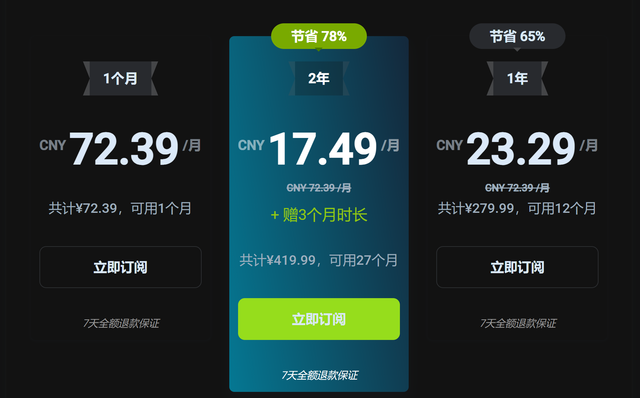
- Price and plans: Competitive pricing with frequent promotions; includes a 30-day money-back guarantee.
- Best for: Users who want a balance of privacy, speed, and broad server access.
ExpressVPN: speed-first with solid split tunneling
- App-based split tunneling: Supported on Windows and Android, with a straightforward toggle to include apps.
- URL-based: More limited than app-based per device, but effective configuration for specific destinations is possible with manual routing.
- Real-world performance: Excellent for streaming services and online gaming; reliable across continents.
- Security features: Strong encryption, kill switch, DNS protection, audits, and a transparent privacy policy.
- Price and plans: Premium pricing with a 30-day refund window.
- Best for: Travelers seeking consistent performance and easy setup.
Surfshark: best value with flexible rules
- App-based split tunneling: Yes, easy-to-use interface for selecting apps on major platforms.
- URL-based: Available on desktop platforms, allowing per-URL routing to bypass the VPN if needed.
- Real-world performance: Solid speeds, especially on nearby servers; good for streaming and general browsing.
- Security features: Clean Web, MultiHop, camouflage mode, kill switch.
- Price and plans: Among the most affordable options with a generous 30-day money-back guarantee.
- Best for: Users who want budget-friendly, feature-rich protection with broad device support.
ProtonVPN: privacy-forward with transparent policies
- App-based split tunneling: Yes, on supported platforms; you can choose apps to bypass VPN.
- URL-based: Some advanced routing options exist for domain-based rules.
- Real-world performance: Strong privacy defaults, respectable speed on higher-tier plans.
- Security features: Strong encryption, secure core optional, audited by third parties, no-logs.
- Price and plans: Free tier available with paid options; transparent pricing.
- Best for: Privacy-conscious users who want rigorous policy transparency.
CyberGhost: beginner-friendly with clear options
- App-based split tunneling: Desktop versions offer app-based control; mobile options vary.
- URL-based: Support depends on platform and configuration; some users implement via manual rules.
- Real-world performance: Great for streaming with optimized servers; user-friendly for newcomers.
- Security features: Kill switch, DNS leak protection, audited privacy practices.
- Price and plans: Regular discounts, 45-day money-back guarantee where offered.
- Best for: New VPN users who want simple, guided experience without sacrificing control.
Private Internet Access PIA: customization for power users
- App-based split tunneling: Yes on major platforms; highly configurable.
- URL-based: Advanced routing rules available in some builds and guides.
- Real-world performance: Good for everyday browsing and privacy-focused tasks; can be tuned for speed.
- Security features: Strong encryption options, kill switch, DNS protection, no-logs claims.
- Price and plans: Affordable with frequent promotions and solid refund terms.
- Best for: Users who love to tweak settings and tailor their VPN behavior.
Windscribe: flexible, friendly, and feature-rich
- App-based split tunneling: Available; you can selectively route apps.
- URL-based: Robust URL-based bypass rules available on desktop and mobile.
- Real-world performance: Reliable for daily use; the free tier is useful for light testing.
- Security features: R.O.B.E. DNS and tracker blocking, kill switch, privacy controls.
- Price and plans: Free tier with limits; affordable paid plans with generous data caps for desktops.
- Best for: People who want flexible controls and a mix of free and paid options.
How to set up app-based split tunneling step-by-step
- Install the VPN client and sign in.
- Open the split tunneling section often under Settings, Network, or Privacy.
- Choose App-Based: Enable split tunneling.
- Select which apps should go through the VPN: commonly streaming apps, browsers, or software with restricted content.
- Save changes and re-launch affected apps to apply the rules.
- Test by checking your IP on a non-VPN app vs. a VPN-protected app to confirm routing.
Tip: Start with one or two apps to verify the behavior before broadening the rule set.
How to set up URL-based split tunneling step-by-step
- Open your VPN’s settings and locate URL-based or domain-based routing.
- Add domains or URLs that you want to bypass the VPN or force through it, if supported.
- For bypass rules, enter domains like banking or local services you don’t want routed through the VPN.
- Save and test with a browser and another app to ensure correct routing.
- If you see leaks, double-check DNS settings and enable the kill switch.
Tip: Use precise domains to avoid accidentally routing sensitive sites the wrong way.
Performance and privacy: what to expect
- Speed impact: VPNs always introduce some overhead, but with split tunneling you can minimize impact by routing bandwidth-heavy apps through your normal connection.
- DNS leaks: Ensure DNS leak protection is enabled; it’s common for misconfigurations to leak DNS requests outside the VPN tunnel.
- Kill switch: A must-have feature whenever you’re relying on selective routing.
- Logging and privacy: Look for providers with clear no-logs policies and independent audits when possible.
- Corporate and home use: For families and small offices, app-based split tunneling helps minimize bandwidth use and keeps sensitive tools secure.
Real-world use cases
- Streaming while working: Route your streaming app through the VPN for geo-locked content, while your work tools stay on your local network.
- Gaming with regional access: Use VPN for anti-lag access to remote servers, but let match data and anti-cheat services run outside the VPN.
- Banking and sensitive apps: Keep banking apps outside the VPN to reduce latency and minimize potential slowdowns.
Table: Quick comparison features at a glance
| VPN | App-based Split Tunneling | URL-based Routing | Platforms | Notable Pros | Notable Cons |
|---|---|---|---|---|---|
| NordVPN | Yes | Limited advanced rules | Windows, macOS, Android, iOS | Strong privacy, large server network | Higher price |
| ExpressVPN | Yes | Some manual routing | Windows, Android, macOS | Fast speeds, broad device support | Pricey |
| Surfshark | Yes | Yes | Windows, macOS, Android, iOS | Great value, unlimited devices | Occasional server variability |
| ProtonVPN | Yes | Yes advanced | Windows, macOS, Android, iOS | Privacy-forward, transparent | Slower on basic tiers |
| CyberGhost | Desktop: Yes | Limited | Windows, macOS | Beginner-friendly, streaming optimized | Fewer advanced options |
| PIA | Yes | Yes advanced | Windows, macOS, Android, iOS | Highly customizable | UI can feel dated |
| Windscribe | Yes | Yes | Windows, macOS, Android, iOS | Flexible, good free option | Premium plans needed for heavy use |
Practical tips for choosing the right VPN for split tunneling
- Start with your primary use case: streaming, gaming, or privacy. The best pick aligns with your biggest needs.
- Check platform support: If you use iOS or macOS heavily, ensure the feature is available there and easy to enable.
- Test performance: Take advantage of the trial or money-back guarantee to verify whether app-based and URL-based routing meet your expectations.
- Review security features: Kill switch and DNS leak protection are essential if you’re routing sensitive traffic.
- Look for transparent policies: Audits and clear privacy terms help you trust the provider with your data.
Common mistakes to avoid
- Over-reliance on a single feature: Split tunneling helps, but it’s not a substitute for a strong overall privacy posture.
- Misconfigured DNS: DNS leaks can undermine VPN privacy; always enable DNS leak protection.
- Blocking critical apps by mistake: Double-check the included apps list before saving.
- Ignoring platform limitations: Some providers implement split tunneling only on certain platforms; confirm availability on your devices.
Tips for troubleshooting split tunneling
- If an app isn’t routing correctly, restart the app and the VPN client.
- Clear DNS cache after changing routing rules.
- Use a different server if streaming or gaming experiences poor performance.
- Check for VPN firmware or app updates that fix routing glitches.
How to evaluate value for money
- Feature set: Do you get both app-based and URL-based split tunneling?
- Server network size: More servers generally mean better access and faster speeds.
- Speed benchmarks: Look for real-world tests with split tunneling enabled.
- Support and refunds: A solid 30- to 45-day refund window is a good safety net.
Real user feedback and data points
- Users report improved performance when routing certain apps outside the VPN for local tasks.
- Some readers note that app-based split tunneling is easier to manage on desktop than on mobile for certain providers.
- For streaming, many readers find Surfshark and NordVPN provide smoother playback when splitting traffic.
Troubleshooting checklist for leaks or misrouting
- Ensure kill switch is enabled to prevent accidental IP exposure.
- Verify the correct apps or domains are included in the split tunneling rules.
- Check your IP address and DNS resolution from both VPN-protected and non-protected apps.
- Reboot devices after making configuration changes to ensure rules take effect.
Security considerations when using split tunneling
- Split tunneling can increase exposure if apps bypass the VPN; assess each app’s risk profile.
- Use trusted networks, especially on public Wi-Fi; enable additional protections like firewall rules if possible.
- Keep devices updated to minimize vulnerabilities that could be exploited through misconfigured routing.
Summary of recommended setups
- For streaming and general use: NordVPN or Surfshark with app-based split tunneling and clear domain-based rules.
- For privacy-first users: ProtonVPN with strong no-logs policy and robust routing controls.
- For budget-conscious households: Surfshark or Windscribe for a balance of features and price.
- For power users who crave customization: PIA with advanced app and URL-based routing.
Frequently Asked Questions
1. What is split tunneling in a VPN?
Split tunneling lets you choose which apps or URLs go through the VPN and which bypass it.
2. Can I use split tunneling on iPhones?
Yes, many VPNs offer app-based split tunneling on iOS, though features may vary by provider. T Mobile Hotspot Not Working With VPN Heres Whats Really Going On And How To Fix It
3. Is URL-based split tunneling secure?
URL-based routing can be secure if the VPN provider has strong routing controls and DNS protection; misconfigurations can cause leaks.
4. Does split tunneling affect streaming quality?
It can improve streaming by letting you route streaming traffic through the VPN while other traffic uses your local connection; results vary by server and network.
5. Can I use multiple VPNs with split tunneling at the same time?
Typically not on the same device for the same traffic path; it’s best to use a single provider per device with well-configured rules.
6. How do I test if split tunneling is working?
Test by using different apps or domains to verify whether traffic is routed through or bypassing the VPN; check IP and DNS resolution.
7. What’s more important for split tunneling: app-based or URL-based?
It depends on your use case. App-based is easier for app-level control, while URL-based gives granular control over specific domains. How to Log Everyone Out of nordvpn: Quick Guide to Reclaim Your Privacy and Control
8. Do all VPNs support split tunneling?
No, not all do. Check the provider’s feature list and knowledge base for confirmation.
9. Can split tunneling protect me from DNS leaks?
Split tunneling can complicate DNS protection if misconfigured; always enable DNS leak protection and kill switch.
10. Is split tunneling legal?
Yes, split tunneling is legal in most regions, but always comply with local laws and service terms.
11. How do I enable split tunneling on Windows?
Open the VPN app, go to Settings > Split Tunneling, and select App-Based or URL-Based rules, then configure your apps or URLs.
12. How do I enable split tunneling on Android?
Most Android VPN apps support App-Based split tunneling; look under Settings > Split Tunneling or similar, and configure apps. Prime Video Not Working With VPN Here’s How To Fix It
Conclusion 7 best vpns with split tunneling app and url based options offer a targeted way to balance privacy, performance, and control. By choosing the right provider and configuring the rules that match your real-life usage, you can enjoy safer browsing, smoother streaming, and faster gaming without sacrificing convenience. If you’re ready to get started, check out the recommended options above and consider trying NordVPN or Surfshark with their app-based split tunneling features. For a quick jump into reliability and value, click the suggested partner link to explore plans and savings.
Sources:
故宮博物館 香港 門票:超詳細攻略!不用排隊、省錢買票秘訣全公開 2026最新 - 全面解構與最新資訊
免费加速器下载:全面攻略与实用指南,VPN相关要点全覆盖
Vpn一连接就断网:原因、诊断步骤与实用解决方案,适用于 Windows/macOS/路由器的完整指南
深信服atrust:全面解析、实操指南与应用场景(VPNs 分类下的深信服方案全解) How to Put Surfshark VPN on Your TV Unlock Global Streaming Boost Privacy
翻墙后无法连接app ⭐ store?别急,这里有最全的解决方 VPN 解决方案、DNS 调整与设备设置全覆盖