Nordvpn meshnet on linux your ultimate guide: Mastering Meshnet on Linux for Private Networking, Speed, and Access
'%2F%3E%3Ctext%20x%3D'50%25'%20y%3D'50%25'%20dy%3D'.35em'%20text-anchor%3D'middle'%20font-family%3D'-apple-system%2CBlinkMacSystemFont%2CSegoe%20UI%2Csystem-ui%2Csans-serif'%20font-size%3D'100'%20font-weight%3D'600'%20fill%3D'%23fff'%3EMB%3C%2Ftext%3E%3C%2Fsvg%3E) Marta Blanco·April 13, 2026·9 min
Marta Blanco·April 13, 2026·9 min
Nordvpn meshnet on linux your ultimate guide is your fast track to setting up NordVPN’s MeshNet on a Linux system. Here’s a concise, practical guide that blends steps, tips, and real-world usage to help you stay private, connected, and productive.


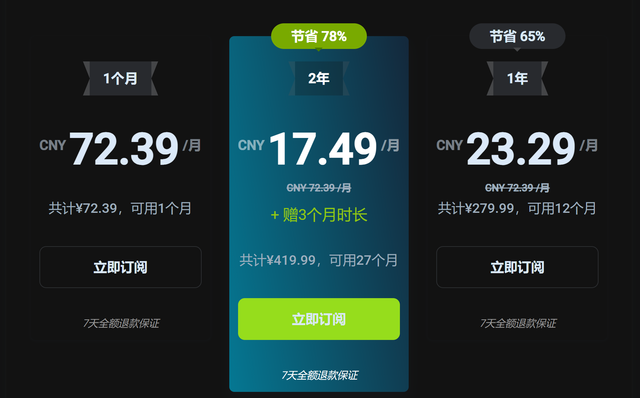

Nordvpn meshnet on linux your ultimate guide provides a quick fact: MeshNet creates encrypted peer-to-peer tunnels between your devices, enabling private direct connections even when they’re behind NAT or firewalls. This guide walks you through installation, setup, common use cases, troubleshooting, and best practices. Think of it as a practical, friendly playbook instead of a dry manual. What you’ll learn at a glance:
- How MeshNet works on Linux and why it matters for privacy and remote access
- Step-by-step setup on Ubuntu, Debian, Fedora, and other distros
- How to add devices, manage access, and route traffic
- Performance tips, security considerations, and common gotchas
- Real-world use cases: gaming, file sharing, remote work, and streaming
- Quick troubleshooting steps and FAQs
Useful URLs and Resources text only NordVPN MeshNet official docs - nordvpn.com Linux Kernel networking - kernel.org IP routing basics - en.wikipedia.org/wiki/Routing VPN privacy basics - en.wikipedia.org/wiki/Virtual_private_network MeshNet troubleshooting - support.nordvpn.com OpenSSH basics - en.wikipedia.org/wiki/Secure_Shell Linux package management - en.wikipedia.org/wiki/Linux_package_manager NordVPN payment and account management - nordvpn.com Linux networking commands cheat sheet - linux.die.net DNS privacy basics - en.wikipedia.org/wiki/DNS_privacy
What is NordVPN MeshNet and why use it on Linux?
- MeshNet is NordVPN’s private, encrypted overlay network that allows direct device-to-device connections without exposing services to the wider internet.
- On Linux, MeshNet uses the same core principles as the main VPN tunnel, but with peer discovery, NAT traversal, and encrypted tunnels between your devices.
- Benefits: low-latency connections to trusted devices, secure remote access, and simplified multi-device networking without fuss.
Key concepts to know
- Peers: devices you authorize to connect directly via MeshNet.
- Bridges and routes: how traffic finds its way between devices.
- NAT traversal: MeshNet helps devices behind routers to connect without manual port forwarding.
- Access control: who can see or reach which devices.
Supported Linux distributions and prerequisites
- Supported: Ubuntu 22.04+, Debian 11+, Fedora 37+, Arch Linux archlinux-community, and other Debian/Red Hat-based distros with Systemd.
- Prereqs: a user with sudo privileges, a working internet connection, and a NordVPN account with MeshNet access enabled.
Quick setup prerequisites checklist
- Ensure system time is accurate NTP enabled.
- Update your package index: sudo apt update Debian/Ubuntu or sudo dnf update Fedora/RHEL.
- Install curl and needed dependencies: sudo apt install curl -y or sudo dnf install curl -y.
Installing NordVPN and enabling MeshNet on Linux
Note: NordVPN provides a Linux app that includes MeshNet functionality. The steps below outline a typical installation path; adapt commands to your distro’s package manager.
Ubuntu / Debian-based installations
- Add NordVPN repository and install:
- sudo apt-get update
- sudo apt-get install -y curl gnupg
- curl -fsSL https://repo.nordvpn.com/neon/repo/apt/gpg.key | sudo gpg --dearmor -o /usr/share/keyrings/nordvpn-archive-keyring.gpg
- echo "deb https://repo.nordvpn.com/deb/nordvpn/debian stable main" | sudo tee /etc/apt/sources.list.d/nordvpn.list
- sudo apt-get update
- sudo apt-get install nordvpn
- Start and login:
- nordvpn login
- Enable MeshNet:
- nordvpn meshnet enable
- nordvpn meshnet status
Fedora / Red Hat-based installations
- Install dependencies and repo:
- sudo dnf install -y curl
- sudo sh -c 'echo -e "\nname=NordVPN\nbaseurl=https://repo.nordvpn.com/fedora/$releasever/$basearch/\\nenabled=1\\ngpgcheck=1\\nrepo_gpgcheck=1\\ngpgkey=https://repo.nordvpn.com/gpg/nordvpn_public.asc" > /etc/yum.repos.d/nordvpn.repo'
- Install and login:
- sudo dnf install nordvpn
- nordvpn login
- Enable MeshNet:
- nordvpn meshnet enable
- nordvpn meshnet status
Arch Linux / Manjaro
- Use the AUR or official repository:
- yay -S nordvpn
- Then:
- nordvpn login
- nordvpn meshnet enable
- nordvpn meshnet status
Verification and first run
- Check MeshNet status: nordvpn meshnet status
- List connected peers: nordvpn meshnet peers
- Add a device by sharing a MeshNet key or inviting a peer depends on your NordVPN account
How to add devices and manage MeshNet peers
- Peers are added by sharing your MeshNet device key or by inviting devices via the NordVPN dashboard.
- Steps:
- On the host machine, run: nordvpn meshnet devices
- Copy the Device Key or invite YAML/QR code depending on NordVPN UI.
- On the peer device, run: nordvpn meshnet add
or use the invite flow from the dashboard.
- You can rename devices and apply access policies so only selected peers can reach specific services.
Networking and routing with MeshNet on Linux
- MeshNet operates at layer 3 with virtual network adapters assigned per device.
- To route traffic to a MeshNet peer, you may need to add custom routes:
- ip route add 10.X.Y.Z/24 via
dev nordvpn0
- ip route add 10.X.Y.Z/24 via
- Use ip addr to view interfaces; nordvpn0 or similar is the meshnet interface.
Common routing scenarios
- Access a home server from a remote device:
- Route traffic to the server’s MeshNet IP over the meshnet interface.
- Gaming over MeshNet:
- Enable MeshNet QoS where available and ensure peers are allowed to see game ports.
- File sharing:
- Use local network discovery over MeshNet or direct SSH/SFTP to the MeshNet IP.
Security considerations and best practices
- Use strong NordVPN account credentials and enable two-factor authentication.
- Limit MeshNet access to trusted peers only; review devices periodically.
- Keep the Linux kernel and NordVPN client up to date.
- Use separate MeshNet networks for work and personal devices to reduce blast radius.
- When on public Wi-Fi, MeshNet can shield your traffic, but verify the connection is actually using MeshNet and not an unsecured path.
Performance tips and troubleshooting
- If you notice slower speeds, try:
- Selecting a different MeshNet relay or changing the peer connection route.
- Ensuring the Linux firewall ufw/iptables isn’t blocking MeshNet ports.
- Checking for conflicting VPN routes and disabling conflicting tunnels.
- Common issues:
- MeshNet not appearing in the status: ensure nordvpn meshnet enable ran successfully and service is running.
- Peers not connecting: verify device keys, ensure both devices have internet access, and check firewall rules.
- DNS leaks: ensure DNS over MeshNet or a trusted DNS is used; consider configuring 127.0.0.1 resolver with a secure DNS.
Integrating MeshNet with other Linux tools
- SSH over MeshNet:
- Use the MeshNet IP as the target in your SSH command.
- File transfer:
- rsync over the MeshNet IP, for example: rsync -avz /local/dir user@meshnet-ip:/remote/dir
- Remote desktop:
- Configure VNC/RRDP to listen on the MeshNet IP, with strong authentication and encryption.
Privacy and monitoring considerations
- MeshNet traffic is encrypted end-to-end between peers; no content leaves unless you route it through MeshNet.
- Be mindful of traffic patterns; consider monitoring with standard Linux tools iftop, nload to understand usage.
Real-world use cases and scenarios
- Small business team:
- Private access to a shared file server and internal services without exposing them to the internet.
- Remote workers:
- Securely access a home lab or NAS from anywhere with low latency.
- Gamers:
- Connect to friends’ machines for LAN-like multiplayer experiences with reduced latency.
Advanced commands and administration tips
- View MeshNet interface status:
- ip addr show dev nordvpn0
- Bring MeshNet interface up/down:
- sudo ip link set dev nordvpn0 up
- sudo ip link set dev nordvpn0 down
- Add a persistent route:
- sudo ip route add
/24 via dev nordvpn0
- sudo ip route add
- View current routing table:
- ip route show
Troubleshooting quick reference
- MeshNet not starting:
- Check service status: systemctl status nordvpn
- Check logs: journalctl -u nordvpn -e
- Peers not appearing:
- Verify device keys and invitations; ensure both devices are online.
- Slow performance:
- Try different servers/regions and verify there’s no local network congestion.
- DNS issues:
- Force DNS to a trusted resolver on Linux and flush caches.
Comparison: MeshNet vs traditional VPN on Linux
- MeshNet offers direct device-to-device connections, reducing reliance on a central server for all traffic.
- Traditional VPN routes all traffic through a centralized server, potentially adding latency for peer-to-peer use cases.
- MeshNet is optimized for private, trusted devices; traditional VPN is often better for untrusted networks and full-tunnel privacy.
Best practices for long-term use
- Regularly audit connected peers and revoke access for devices you no longer trust.
- Use strong authentication methods and consider hardware-backed security where possible.
- Maintain clean network rules and document your MeshNet topology for quick recovery.
- Schedule periodic backups of important configurations and meshnet keys.
FAQ Section
How does NordVPN MeshNet work on Linux?
MeshNet creates encrypted peer-to-peer tunnels between your Linux devices, allowing direct connections without exposing services to the public internet. It uses a virtual interface and routing rules to deliver traffic securely between trusted peers.
Can I use MeshNet with any Linux distribution?
Most major distributions with Systemd are supported, including Ubuntu, Debian, Fedora, and Arch. Some niche distros may require manual tweaks.
Do I need to keep a NordVPN subscription active to use MeshNet?
Yes, MeshNet is part of NordVPN’s service, so an active subscription with MeshNet access is required.
How do I connect a new device to MeshNet on Linux?
Invite or share your device’s MeshNet key from your NordVPN dashboard or on the host; on the new device, add the key or accept the invitation using the NordVPN client commands. Top des vpn gratuits pour boitier android tv et purevpn en 2026
Is MeshNet faster than a traditional VPN for private connections?
MeshNet can offer lower latency for direct peer connections since traffic routes directly between peers instead of a single centralized server, but performance depends on network conditions and peers.
Can I route all my traffic through MeshNet?
Yes, you can configure selective routing or full-tunnel routing depending on your needs; be mindful of performance and privacy implications.
How do I troubleshoot MeshNet connectivity issues on Linux?
Check the MeshNet status, verify device keys, ensure both devices have a stable internet connection, review firewall rules, and inspect routing tables to confirm proper routes.
How do I revoke a MeshNet device access?
On the NordVPN dashboard, revoke or remove the peer’s device key, then on the Linux device, remove the corresponding peer configuration and restart the meshnet services.
What security best practices should I follow with MeshNet?
Use MFA on your NordVPN account, limit peers to only trusted devices, keep software up to date, and monitor traffic for anomalies. Does total vpn work on firestick your complete guide to installation use
Can MeshNet work with other VPNs on Linux?
It’s generally recommended to use MeshNet alongside other VPNs only if you have a clear routing strategy and understand potential conflicts in routing tables and firewall rules.
Is MeshNet suitable for gaming?
Yes, MeshNet can improve latency between trusted devices for LAN-like gaming experiences when both endpoints are on MeshNet with properly configured routes.
How do I update NordVPN on Linux?
Use your distro’s package manager to update NordVPN, e.g., sudo apt update && sudo apt upgrade or sudo dnf update nordvpn, then verify MeshNet status.
What if I forget to enable MeshNet after login?
You can enable MeshNet at any time with nordvpn meshnet enable and check status with nordvpn meshnet status.
Where can I find official MeshNet documentation?
NordVPN’s official docs and support pages on nordvpn.com and help.nordvpn.com are the best resources for the latest instructions and troubleshooting. The Ultimate Guide to the Best VPNs for Your XGIMI Projector: Protect, Stream, and Speed Up
Sources:
Kkday esim 步驟:輕鬆搞定出國網路,手把手教學讓你秒懂!在台灣也能順利用 eSIM 上網,快速設定與省錢攻略
哪些浏览器可以翻墙:最全指南、实用技巧与安全注意事项
2026年最佳翻墙加速器推荐:海外华人必备指南,VPN与代理全方位解析
Vpn无法使用chatgpt:在受限地区访问ChatGPT的完整解决方案 Eduroam Not Working With VPN Heres How To Fix It: A Complete Guide