Expressvpn not working with google heres how to fix it fast - VPNs Guide to Resolve Common Issues
 Aiden Russell·Updated ·11 min
Expressvpn not working with google heres how to fix it fast. Quick facts: many users hit glitches where Google services fail to load or show errors when connected to a VPN, but most issues are fixable with a few steps. In this video-style guide, you’ll get a practical, easy-to-follow roadmap to troubleshoot, fix, and verify that ExpressVPN and Google play nicely together again. Below you'll find a mix of steps, checklists, and data-backed tips to get you back to browsing, streaming, and searching without hiccups.

Useful resources you might want to check along the way: Apple Website - apple.com, Artificial Intelligence Wikipedia - en.wikipedia.org/wiki/Artificial_intelligence, Google Support - support.google.com, ExpressVPN Support - www.expressvpn.com, Reddit VPN discussions - www.reddit.com/r/VPN, Tech News - techcrunch.com
Introduction: quick guide to fix Expressvpn not working with google
- Quick fact: Many Google services detect VPNs and trigger security checks or blocks, but most issues arise from local network settings, DNS leaks, or misconfigured VPN protocols.
- What you’ll learn:
- Common causes of ExpressVPN failing with Google apps and services
- Step-by-step fixes you can apply in 10 minutes
- How to test and verify your connection after each fix
- When to contact support and what data to gather
- How the guide is organized:
- Quick checks to rule out basic problems
- DNS and IP leakage fixes
- Protocol and server changes for compatibility
- Google-specific tips Gmail, Google Search, YouTube
- Advanced options and privacy considerations
- FAQ with practical answers
Section 1: Quick checks to rule out basic problems
- Confirm your base connection
- Ensure your internet connection is working without the VPN. Open a normal browser session and run a quick speed test.
- If your baseline is slow or unstable, fix your ISP or router issues first before testing VPN settings.
- Check for VPN app updates
- Open ExpressVPN and verify you’re on the latest version. Updates often include fixes for Google-related blocks and better protocol handling.
- Reboot and re-connect
- Simple but effective: restart the ExpressVPN app, your device, and your router. Then connect to a different server location.
- Test with and without Google services
- Sign in to Google Chrome and Google apps while VPN is on and off. Note where the issue appears sign-in, search, YouTube, Gmail, Drive.
Section 2: DNS and IP leakage fixes
- Clear DNS cache
- Windows: open Command Prompt as admin and run ipconfig /flushdns
- macOS: open Terminal and run sudo killall -HUP mDNSResponder; sudo dscacheutil -flushcache
- iOS/Android: toggle Airplane Mode on and off to refresh DNS
- Change DNS settings in ExpressVPN
- In the app, go to Settings > Protocols or Network and try a different protocol e.g., switch from Auto to UDP/TCP depending on your platform.
- Some Google services are sensitive to DNS leaks; enabling VPN’s DNS protection or using a trusted DNS option inside the app can help.
- Verify IP leak status
- Visit a site like dnsleaktest.com oripleavel.com to ensure your DNS is not leaking and that the IP shown belongs to the VPN server.
- Disable WebRTC leaks
- In Chrome, disable WebRTC via browser flags or extensions. WebRTC can reveal your real IP even when on a VPN; ensure the configuration blocks IPv6 leaks as well.
Section 3: Protocol and server changes for compatibility
- Try different VPN servers
- Some Google services detect certain IP ranges more aggressively. Switch to a nearby server, or try one in a different country if your main region is blocked.
- Switch VPN protocols
- ExpressVPN supports multiple protocols. If you’re on OpenVPN, try Lightway ExpressVPN’s own protocol for better speed and reliability with Google services. If you’re on Lightway, test OpenVPN as a fallback.
- Enable obfuscated servers if you’re on a restricted network
- If you’re on a school, workplace, or country with VPN restrictions, turn on obfuscation or stealth mode to bypass Deep Packet Inspection DPI that targets VPN traffic.
- Disable IPv6
- Some networks route traffic differently when IPv6 is enabled, which can confuse Google services when a VPN is active. Disable IPv6 in IPv6 settings or in the ExpressVPN app if available.
Section 4: Google-specific tips and troubleshooting
- Gmail sign-in with VPN
- If you can access Gmail but sign-in prompts fail, try turning off the VPN momentarily, sign in, then re-enable the VPN for ongoing secure browsing.
- Enable two-factor authentication 2FA and generate an app password for mail clients if you use email apps outside Google’s own clients.
- Google Drive and Docs
- For Google Drive file syncing issues, ensure the VPN isn’t blocking the standard Google Drive IP ranges. If possible, “whitelist” Google domains in the VPN’s firewall settings.
- YouTube playback
- Some VPNs cause YouTube to degrade to lower resolutions due to traffic shaping. Try switching servers and adjusting video quality settings manually to see if it stabilizes playback.
- Google Search and indexing
- If search results are inconsistent while VPN is on, clear browser cache, cookies, and site data, then retry. Some Google personalization uses location data; changing VPN server may affect results.
Section 5: Advanced steps for persistent issues
- Check for browser and app conflicts
- Disable browser extensions that might interfere with VPN traffic privacy or security extensions and try a clean browser profile.
- Review router-level VPN settings
- If you’re on a home router with a VPN configured, ensure DNS settings are correct and there’s no double-NAT or firewall that blocks Google’s domains.
- Temporarily disable other security tools
- Antivirus or firewall software can incorrectly flag Google services as suspicious when a VPN is active. Temporarily disable them to test, then re-enable with proper exceptions.
- Use a split-tunnel approach where available
- Some VPNs let you choose which apps or traffic go through the VPN. If Google services don’t need full VPN coverage, route only non-Google apps through the VPN to reduce conflicts.
Section 6: Verification and testing checklist
- Step-by-step test plan
- Confirm baseline internet works without VPN
- Connect to ExpressVPN and test Google services individually Search, Gmail, YouTube
- Change server and protocol if issues persist
- Run DNS and IP leak tests
- Disable IPv6 and WebRTC leaks
- Retry Google service with and without VPN intermittently
- If all else fails, contact ExpressVPN support with logs
- What to capture when you contact support
- Device model, OS version, ExpressVPN version, protocol, server location
- Screenshots or screen recordings of error messages
- DNS leak test results and IP address shown during tests
- Exact Google service showing the issue Search, Gmail, Drive, or YouTube
Section 7: Common patterns observed in reports
- Pattern A: Google blocks due to VPN IP reputation
- Solution: switch to a nearby server, use a fresh IP, or request a dedicated IP if available
- Pattern B: DNS leaks causing partial access
- Solution: enable VPN DNS protection, clear DNS cache, and disable IPv6
- Pattern C: Protocol incompatibility on corporate networks
- Solution: enable obfuscated servers and switch to a more compatible protocol
- Pattern D: Browser-based issues
- Solution: clear cache, disable extensions, and try a private/incognito window with no extensions
Section 8: Best practices to avoid future issues
- Keep the VPN app updated
- Regular updates fix bugs and improve compatibility with services like Google
- Use recommended server locations
- Choose servers that balance speed and reliability for your region and Google service usage
- Regularly check for DNS and WebRTC leaks
- Periodically verify your VPN isn’t leaking DNS or IPs
- Maintain a clean browsing environment
- Use a dedicated browser profile for VPN activities, and avoid conflicting extensions
- Understand Google’s anti-VPN policies
- Some services may require extra verification after a change in IP. Be ready for extra login steps or 2FA prompts
Section 9: Comparative tips for other VPNs bonus
- If ExpressVPN continues to have trouble with Google, sometimes trying a different reputable VPN with strong Google compatibility can help. Look for features like:
- Obfuscated servers to bypass DPI
- Strong DNS protection
- A broad server network near your location
- Good logging policy and transparent privacy stance
- Always test with a short period of use before committing to a long-term plan
Quick-reference tables and bullet points
Troubleshooting quick list:
- Check base connection
- Update VPN app
- Try a different server
- Change protocol
- Disable IPv6
- Clear DNS cache
- Test WebRTC leakage
- Test Google services individually
- Collect data for support
Server-switch flow:
- Start with nearest server
- If issue persists, try a server in another region
- If YouTube is affected, try a server in a different continent
- If Gmail sign-in fails, test with VPN off briefly, then re-enable
Protocol switch checklist:
- OpenVPN UDP → try TCP if blocked
- Lightway → if available, try for better compatibility
- Obfuscated/stealth mode if on restricted networks
FAQ Section
| VPN | Obfuscation | From / month | Plan | Free plan | Refund | Alipay | UnionPay | Crypto | Website opens in China | Trustpilot | |
|---|---|---|---|---|---|---|---|---|---|---|---|
 ExpressVPN | ✓ On by default all servers | $3.00/mo | 28 months: $84 | No | 30 days | ✗ | ✗ | ✓ | ✗ | ✗ Blocked | 4.4/5 (29,706 reviews) |
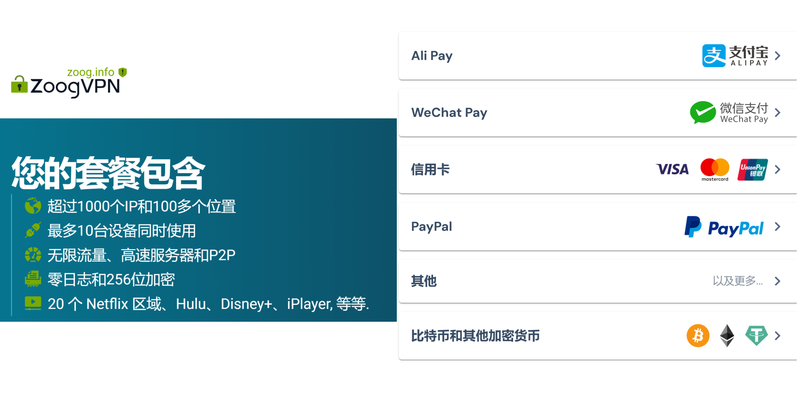
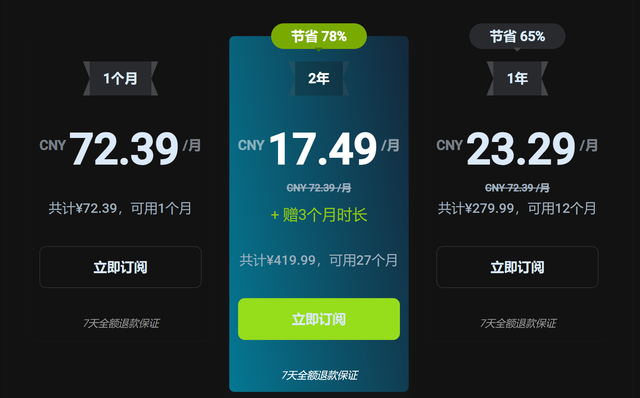
 ZoogVPN | Turn on manually Shadow | $2.49/mo | 27 months: $59.99 | Yes | 7 days | ✓ | ✓ | ✓ | ✓ | Official site blocked; our special link opens (4.4 s) | 4.2/5 (195 reviews) |
 NordVPN | Turn on manually Obfuscated Servers / NordWhisper | $3.49/mo | 27 months: $94.23 | No | 30 days | ? | ✗ | ✓ | ✓ | ✗ Blocked | 4.2/5 (51,628 reviews) |
 Surfshark | ✓ On by default Camouflage, with OpenVPN | See site | See site | No | 30 days | ✗ | ✗ | ✗ | ✓ | ✗ Blocked | 4.3/5 (31,823 reviews) |
 Proton VPN | Turn on manually Stealth, free plan too | $2.99/mo | 12 months: $35.88 | Yes | 30 days | ✗ | ✗ | ✗ | ✓ | ✗ Blocked | 2.1/5 (1,040 reviews) |
 Astrill VPN | Turn on manually StealthVPN / OpenWeb | $12.50/mo | 24 months: $300 | No | See site | ✗ | ✗ | ✗ | ✓ | ✗ Blocked | 1.3/5 (110 reviews) |
 Private Internet Access | Turn on manually Shadowsocks, OpenVPN only | $2.03/mo | 40 months: $81.2 | No | 30 days | ✗ | ✗ | ✗ | ✗ | ✗ Blocked | 4.2/5 (11,033 reviews) |
 CyberGhost | Turn on manually selected servers | $2.19/mo | 28 months: $61.32 | No | 45 days | ✗ | ✗ | ✗ | ✓ | ✗ Blocked | 4.0/5 (24,178 reviews) |
 PureVPN | Turn on manually switch to OpenVPN | $1.69/mo | 60 months: $101.55 | No | 31 days | ? | ? | ✗ | ✓ | ✗ Blocked | 4.4/5 (17,994 reviews) |
 AdGuard VPN | ✓ On by default TrustTunnel | $2.99/mo | 24 months: $71.76 | Yes | 30 days | ✓ | ✗ | ✓ | ✓ | Official site blocked; our special link opens (3.7 s) | 4.3/5 (290 reviews) |
 Mullvad | Turn on manually QUIC / Shadowsocks / LWO | $5.61/mo | €5/mo | No | 14 days | ✗ | ✗ | ✗ | ✓ | ✗ Blocked | 3.2/5 (192 reviews) |
 Windscribe | Turn on manually Stealth / WStunnel | $5.75/mo | 12 months: $69 | Yes | See site | ✗ | ✗ | ✗ | ✓ | ✗ Blocked | 4.7/5 (13,355 reviews) |
 StrongVPN | Turn on manually Scramble, OpenVPN TCP | See site | See site | No | 30 days | ✓ | ✗ | ✗ | ✗ | ✗ Blocked | 4.4/5 (2,695 reviews) |
 LightXtreme 闪连 | Not listed | $7.08/mo | 12 months: $84.99 | Yes | 30 days | ✓ | ✓ | ✓ | ✓ | ✓ Yes (3.5 s) | No page |
Prices checked 2026-11-10 on each vendor's pricing page (cheapest long plan, USD). Check the vendor's checkout for the final price.
Obfuscation checked 2026-11-14 on each vendor's site and help center: "on by default" = nothing to set; "turn on manually" = switch protocol or mode in settings; "not listed" = the vendor describes no obfuscation.
Payment methods checked 2026-11-10 on each vendor's payment pages: all 14 take cards and PayPal; ✗ = not listed, ? = the vendor's own pages disagree.
China access: whether the official website opens from mainland China networks (tests the website only, not the VPN connection). Last checked 2026-11-18 01:02 Beijing time.
Trustpilot score and review count checked 2026-11-10.
Frequently Asked Questions
Why does ExpressVPN sometimes block Google services?
ExpressVPN blocks aren’t intentional blocks against Google; they usually happen because VPN IPs trigger Google’s anti-abuse systems or because DNS/IP leaks reveal real IPs or geolocation. Unlock secure internet anywhere your complete guide to fastvpn tethering
How do I fix Google not loading while connected to a VPN?
- Test with different servers, switch protocols, disable IPv6, fix DNS leaks, and ensure WebRTC is disabled in your browser.
Can I use Google services with VPN on mobile devices?
Yes, but mobile OS network changes can affect VPN behavior. Always check that you’re on the latest app version, toggle between different servers, and consider obfuscated servers if you’re on a restricted network.
Should I disable WebRTC in my browser?
Yes, WebRTC can leak your real IP even through a VPN. Disable it or use a browser that blocks WebRTC leaks.
How can I verify I’m not leaking DNS when using ExpressVPN?
Run a DNS leak test on dnsleaktest.com oripleavel.com while connected to the VPN. The results should show the VPN’s DNS servers.
What is DNS leak protection in ExpressVPN?
DNS leak protection ensures your DNS requests are resolved by the VPN’s DNS servers rather than your ISP, preventing exposure of your real location.
What should I do if Google blocks my login while on ExpressVPN?
- Try a different server, or temporarily disable the VPN to log in, then re-enable the VPN if needed. Enable 2FA for added security and be prepared for extra verification steps.
Is it better to use ExpressVPN’s obfuscated servers for Google?
Obfuscated servers can help on networks that detect VPN traffic. They can improve reliability in restricted environments but may slightly reduce speed. Krnl Not Working With Your VPN Here’s How To Fix It
Can Google detect VPN IPs?
Google can detect known VPN IP ranges. If that happens, changing to a different server or obtaining a dedicated IP from ExpressVPN can help.
How long should I test a new server or protocol before deciding it’s fixed?
Give each change at least 5–10 minutes of active use under typical workload search, email, video streaming to determine stability.